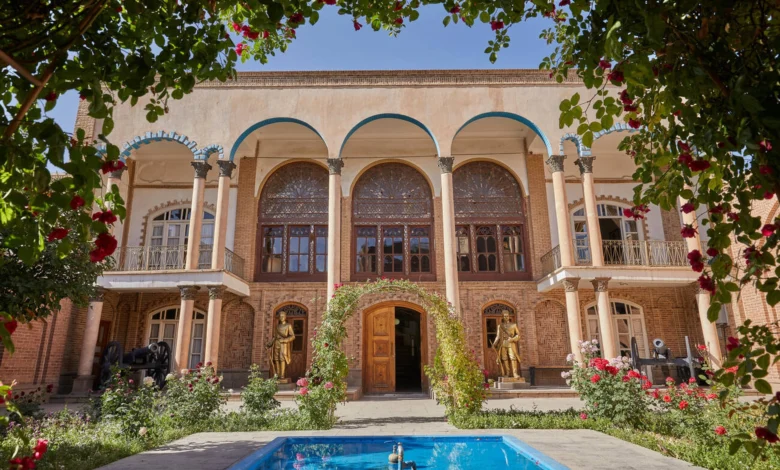

Tabriz, a city steeped in over 2,000 years of history, has long been a catalyst for transformation in Iran. During the Qajar dynasty, it emerged as the nation’s most forward-thinking urban hub, a legacy that continues today as a vibrant center of industry and culture. The Constitution House of Tabriz, a Qajar-era architectural masterpiece, stands as a powerful symbol of Iran’s fight for democracy during the Constitutional Revolution of the early 20th century. Now a museum, this historic site invites travelers to explore the stories of courage, reform, and resilience that shaped modern Iran. For history buffs, culture enthusiasts, and curious explorers, the Constitution House is a must-visit destination in Tabriz’s cultural landscape.
Why Visit the Constitution House?
The Constitution House of Tabriz is more than a museum—it’s a living testament to Iran’s revolutionary past. Once a gathering place for iconic figures like Sattar Khan and Baqir Khan, this elegant residence-turned-museum preserves the spirit of the Constitutional Revolution. With its stunning Qajar architecture, compelling exhibits, and rich historical narrative, it offers an immersive experience that connects visitors with Tabriz’s pivotal role in shaping Iran’s democratic ideals. Whether you’re drawn to history, architecture, or stories of defiance, this landmark delivers an unforgettable journey.
The Historical Significance of the Constitution House
Built in 1868 by the renowned architect Haj Vali Memar for Haj Mehdi Kuzeh-Kanani, a prominent merchant and advocate for freedom, the Constitution House began as a private residence. Its transformation into a revolutionary hub came in 1908, during a turbulent period when Mohammad Ali Shah bombarded the National Assembly, sparking outrage among reformists. Kuzeh-Kanani opened his home to the leaders of the Constitutional Revolution, turning it into a strategic center for Azerbaijan’s resistance movement. Figures like Sattar Khan, Baqir Khan, Seqat-ol-Eslam Tabrizi, and Haj Mirza Aqa Farshi gathered here to plan and fund the fight for constitutional governance.
The house’s legacy extended beyond the revolution. During the Soviet occupation of Azerbaijan in 1945–1946, it served as a meeting place for the Democratic Party of Azerbaijan, reinforcing its role as a political cornerstone. In 1975, it was designated a national heritage site (number 1171), and in 1988, Iran’s Cultural Heritage Organization acquired the property. By 1996, the Constitution House opened as a museum, preserving documents, artifacts, and the revolutionary spirit for future generations. Today, it stands as a proud symbol of Tabriz’s enduring commitment to progress and reform.
Key Figures of the Constitutional Revolution
- Sattar Khan: Known as the “National Commander,” he led armed resistance against Qajar oppression.
- Baqir Khan: A fearless revolutionary who fought alongside Sattar Khan for constitutional reform.
- Haj Mehdi Kuzeh-Kanani: The homeowner who funded and supported the movement, turning his residence into a revolutionary stronghold.
- Zainab Pasha: The only female revolutionary, celebrated for her courage and leadership.
- Howard Baskerville: An American teacher who joined the cause, symbolizing international support for Iran’s struggle.
Architectural Brilliance of the Qajar Era
The Constitution House of Tabriz is a stunning example of Qajar-era architecture, blending Persian tradition with innovative design. Spanning 1,300 square meters across two floors, the structure was crafted by Haj Vali Memar, an architect influenced by his time in Russia. Built with stone, brick, and adobe, the house exudes elegance and durability, reflecting the sophistication of the Qajar period. The ground floor features six rooms, while the upper level houses a grand 6×9-meter hall and six additional rooms surrounding a central seraglio—an inner courtyard typical of Persian domestic architecture.
The seraglio is the architectural heart of the house, captivating visitors with its lattice windows framed in vibrant red, green, and white stained glass. A skylight, supported by four columns with intricately plastered capitals, floods the interior with a kaleidoscope of light, creating a mesmerizing ambiance. Other Qajar hallmarks include carved wooden doors, full-length orosi windows (sliding lattice panels), and a clah-farangi-style rooftop pavilion that blends Iranian and European influences. Every detail, from the ornate plasterwork to the delicate glasswork, showcases the artistry and ingenuity of the era.
Standout Architectural Features
- Stained-Glass Lattice Windows: These colorful windows cast vibrant patterns, enhancing the seraglio’s ethereal beauty.
- Orosi Windows: Sliding lattice panels that allow light and air to flow, a signature of Qajar design.
- Clah-Farangi Pavilion: A decorative rooftop feature that merges Persian and European aesthetics.
- Ornate Plasterwork: Intricate capitals and moldings that highlight the craftsmanship of the period.
- Central Seraglio: A serene courtyard space that balances functionality and elegance.
Inside the Constitution Museum: A Tribute to Resilience
Since its transformation into the Museum of the Constitution in 1996, the Constitution House has served as a repository of Iran’s revolutionary heritage. The museum’s exhibits bring the Constitutional Revolution to life, offering a vivid glimpse into the struggle for democracy. Life-sized statues of key figures, including Sattar Khan, Baqir Khan, Hossein Khan Baghban, Haj Ali Davachi, Howard Baskerville, Zainab Pasha, and Ali Akbar Dehkhoda, stand as tributes to the movement’s heroes, making history feel tangible and personal.
The museum’s collection is a treasure trove of artifacts that tell the story of defiance and reform. Highlights include Sattar Khan’s pistol, the Constitution Carpet, personal belongings of revolutionary leaders, and a gelatin printing press used to produce pamphlets that rallied support for the cause. Historical documents, such as the 1906 Constitutional Decree, provide insight into the movement’s defining moments. These relics, displayed with care and context, evoke the courage and determination of those who fought for change.
Must-See Exhibits
- Sattar Khan’s Pistol: A symbol of armed resistance against Qajar rule.
- Constitution Carpet: An intricate textile that commemorates the revolutionary ideals.
- Gelatin Printing Press: Used to spread revolutionary messages, showcasing the era’s ingenuity.
- 1906 Constitutional Decree: A pivotal document that marked Iran’s step toward constitutional governance.
- Personal Relics: Items belonging to key figures, offering a personal connection to the past.
Why the Exhibits Matter
Each artifact in the Constitution Museum tells a story of sacrifice and hope. From the printing press that fueled the movement to the personal items of its leaders, these objects capture the spirit of a nation striving for justice. Visitors often describe the museum as a powerful reminder of the human cost of progress, making it a deeply moving experience for all.
Planning Your Visit to the Constitution House
Location and How to Get There
The Constitution House is located in Tabriz’s vibrant Rasta Kucha neighborhood, west of the UNESCO-listed Tabriz Bazaar and opposite the Grand Mosque. Its central location makes it easily accessible from the city’s cultural core. Public transport is a convenient option: disembark at the Rasta Kucha bus stop (300m, 4-minute walk) or the Shahid Mohaqqeqi metro station on Line 2 (800m, 10-minute walk). Driving is possible, but the busy market district and limited parking make buses or taxis a more practical choice. For the latest information on hours and entry fees, contact the museum directly.
Visiting Hours and Tips
The Constitution House is open six days a week (closed Mondays). From April to September, hours are 9:00 to 19:30; from October to March, they shift to 9:00 to 17:30. Entry fees are affordable, ensuring accessibility for all travelers. To make the most of your visit:
- Visit Midweek: Weekdays, especially mornings, offer a quieter experience.
- Allow 1–2 Hours: This gives you ample time to explore the exhibits and architecture.
- Bring a Camera: Photography without flash is permitted, perfect for capturing the stained-glass beauty.
- Check hamintour.com: For guided tours and travel tips to enhance your Tabriz adventure.
Best Time to Visit
Spring (April–June) and autumn (September–October) offer mild weather, ideal for exploring Tabriz’s outdoor and indoor attractions. Avoid peak summer heat and winter cold for a more comfortable visit. Pair your trip to the Constitution House with nearby sites like the Tabriz Bazaar or Azerbaijan Museum for a full day of cultural immersion.
Nearby Attractions to Complete Your Tabriz Experience
The Constitution House’s prime location in the heart of Tabriz makes it an ideal starting point for exploring the city’s cultural treasures. Here are some nearby attractions to add to your itinerary:
- Tabriz Grand Bazaar (steps away): A UNESCO-listed market bustling with gold, spices, and Persian carpets, open 10:00–17:00, closed Fridays.
- Azerbaijan Museum (1.2km, 15-minute walk): A treasure trove of regional artifacts, showcasing Tabriz’s ancient history.
- Qajar Museum (2km, 25-minute walk): Housed in the Amir Nezam House, this museum highlights Qajar-era art and architecture.
- Blue Mosque (1.5km, 20-minute walk): A stunning 15th-century mosque known for its intricate blue tilework.
- El-Goli Park (7km, 15-minute drive): A serene park with a historic pavilion, perfect for a relaxing afternoon.
Dining and Accommodation
Refuel at nearby eateries like Haj Ali Kebab or Berkeh Restaurant, both offering authentic Persian cuisine. For lodging, the Tabriz International Hotel (1.5km away) provides upscale comfort, while the budget-friendly Pars El-Goli Hotel caters to cost-conscious travelers. For a seamless booking experience, visit hamintour.com to find the best hotels and travel deals in Tabriz.
Why the Constitution House is a Must-Visit
The Constitution House of Tabriz is more than a museum—it’s a monument to the resilience and courage of those who fought for Iran’s democratic ideals. Its stunning Qajar architecture, from the stained-glass seraglio to the clah-farangi pavilion, showcases the era’s artistic brilliance. The museum’s exhibits, including revolutionary artifacts and statues of iconic figures, bring the Constitutional Revolution to life, offering a profound connection to Iran’s past.
Whether you’re a history enthusiast, an architecture lover, or a traveler seeking meaningful experiences, the Constitution House delivers a journey through time. Plan your visit today with hamintour.com and step into the heart of Tabriz’s revolutionary legacy. Discover the stories, artistry, and spirit that make this landmark a cornerstone of Iran’s cultural heritage.