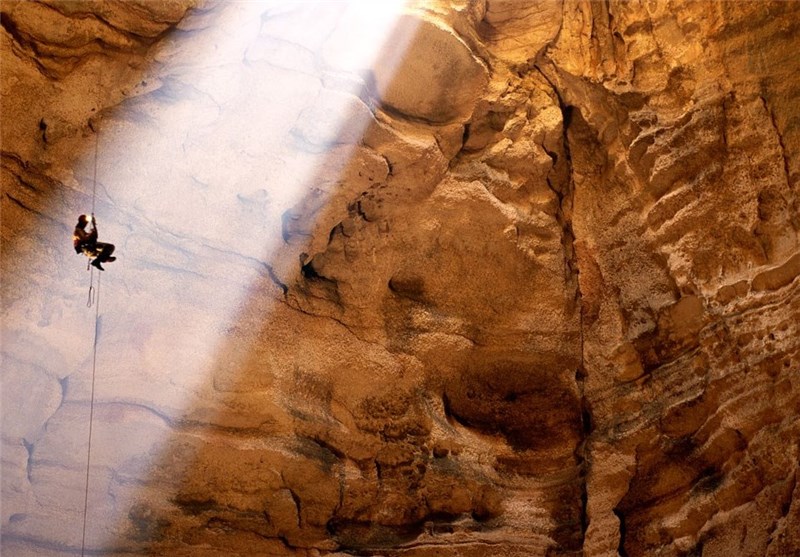

Parau Cave: Iran’s Highest Underground Adventure
Tucked away in the majestic Zagros Mountains of Kermanshah Province, Parau Cave stands as a thrilling destination for seasoned adventurers and nature enthusiasts. Perched at an impressive 3,050 meters above sea level, this extraordinary cave holds the title of Iran’s highest cave, offering a challenging yet rewarding journey into the heart of the Earth. Known as the “Killer Cave” due to its demanding terrain, Parau Cave captivates with its icy underground pools, rugged passages, and rich history of exploration. Recognized as part of Iran’s natural heritage in 2010, this geological marvel invites daring travelers to uncover its secrets. Join hamintour as we explore the wonders of Parau Cave, its historical significance, and the breathtaking attractions of Kermanshah.
Why “Parau”? A Name Rooted in Nature
Discover the Meaning Behind Parau Cave’s Name
The name “Parau,” meaning “full of water” in the local Kurdish dialect, perfectly captures the cave’s defining feature: its abundant water sources. Fed by melting underground glaciers, the cave’s interior is laced with icy streams and a striking three-meter-deep pool at its deepest point. This natural water system not only shapes the cave’s unique environment but also adds to the challenge of exploration, as adventurers navigate slippery surfaces and cold, flowing water. The name “Parau” reflects the cave’s dynamic interplay of water and stone, making it a fitting title for this awe-inspiring natural wonder. With hamintour, you can experience the magic of Parau Cave and uncover the stories behind its evocative name.
Parau Cave: Iran’s Deepest Geological Treasure
Explore the Depths of the Zagros Mountains’ Hidden Gem
Located 12 kilometers northeast of Kermanshah, Parau Cave is nestled within Mount Parau, a towering peak rising to 3,050 meters. This remarkable cave stretches 1,454 meters in length and plunges 752 meters deep, making it one of Iran’s deepest caves. Positioned between the iconic Taq-e-Bostan and Bisotun mountains, and just 300 meters from Sheikh Ali Khan Peak (also known as Parav Peak), the cave’s dramatic setting enhances its allure.
Parau Cave features 26 distinct wells, with the deepest, Well 16, measuring 42 meters. These vertical drops, combined with narrow passages and rugged, porous walls, create a labyrinthine environment that tests even the most experienced cavers. The cave’s high altitude and cold temperatures, ranging from 1–3°C, add to its mystique, offering a refreshing escape from the region’s warm climate. For adventurers seeking a unique challenge, hamintour provides expert-guided tours to navigate this geological masterpiece safely.
The Everest of Caves: Parau’s Global Legacy
A Historic Milestone in Caving History
In 1971, Parau Cave earned global recognition as the world’s largest vertical cave, often dubbed the “Everest of Caves” due to its extreme depth and high-altitude entrance at 3,050 meters. Although subsequent discoveries have ranked it 221st among the world’s vertical caves, Parau remains a globally celebrated destination for its unique combination of altitude, depth, and challenging terrain. Its historical significance as a pioneering caving site continues to draw adventurers from around the world.
The cave’s exploration history began in September 1971, when a British team led by John Middleton reached Well 26 at a depth of 751 meters, stopping at a 50-meter mud pond. A second British expedition in 1972 confirmed these findings, solidifying Parau’s reputation. Over the decades, international teams from Poland and Russia, as well as Iranian cavers like Heshmat Heydarian, Mohammad Nouri, and Ghadir Yazdani, have ventured into its depths, uncovering new routes and documenting its features. In 2004, the cave’s iconic three-meter-deep pool was measured, adding to its allure. hamintour offers insights into this rich history, ensuring your visit is both thrilling and educational.
A Caver’s Ultimate Challenge: Navigating Parau’s Terrain
Test Your Limits in Iran’s Toughest Cave
Parau Cave is classified as a “5D” difficulty level, making it one of the most demanding caving experiences in the world. Accessing the entrance requires crawling through tight spaces, while the cave’s cold air, icy water, and high altitude create a formidable environment. Temperatures inside hover between 1–3°C, and the presence of natural glaciers adds to the chill, often seeping through clothing and challenging even seasoned cavers.
The cave’s rough, porous walls and narrow passages, coupled with dangerous traverses and deep wells, demand physical endurance and technical expertise. Cavers must navigate crab-like paths and sheer drops, with the deepest well plunging 42 meters. The constant flow of icy water heightens the challenge, making proper gear and professional guidance essential. hamintour partners with experienced guides to ensure a safe and exhilarating adventure, allowing you to conquer Parau Cave’s rugged terrain with confidence.
Location and Access: Journey to Parau Cave
Embark on a Scenic Adventure in the Zagros Mountains
Parau Cave is located in the heart of the Zagros Mountains, 12 kilometers northeast of Kermanshah, near the iconic Taq-e-Bostan and Bisotun mountains. The journey to the cave offers stunning views of rugged peaks, deep valleys, and lush plains, particularly vibrant in spring. The cave’s entrance, situated at 3,050 meters, requires a challenging ascent, making it accessible only to experienced adventurers equipped with proper gear.
The exploration of Parau Cave began over 40 years ago when British engineers identified its opening. Since then, international and Iranian teams have mapped its depths, with notable expeditions in 1971, 1972, 1985, and beyond. Iranian cavers achieved significant milestones in the 1990s, including record-breaking explorations and video documentation. hamintour provides expertly guided tours, ensuring safe access and a deep understanding of the cave’s geological and historical significance.
Nearby Attractions: Explore Kermanshah’s Cultural and Natural Wonders
Discover the Beauty of Kermanshah Province
Kermanshah Province, home to Parau Cave, is a treasure trove of natural and cultural attractions, making it an ideal destination for travelers. The region’s diverse landscapes, from towering mountains to fertile valleys, offer breathtaking scenery year-round. Spring and autumn showcase vibrant wildflowers, dense forests, and rolling hills, while Kermanshah’s reputation as Iran’s “center of mirages” adds a mystical charm to its wetlands and natural monuments. Here are some must-visit attractions near Parau Cave, curated by hamintour:
- Taq-e Bostan: Sassanid Splendor
Located near Kermanshah, Taq-e Bostan features stunning 3rd-century Sassanid rock reliefs depicting coronations, hunting scenes, and Pahlavi inscriptions. The site’s scenic mountain, spring, and lake create a mesmerizing backdrop, especially at night when floodlights illuminate the reliefs. This historic gem is one of Iran’s oldest and most picturesque attractions. - Bisotun: A UNESCO World Heritage Site
The Bisotun complex, a UNESCO World Heritage site, boasts ancient monuments like the statue of Hercules, Bisotun Bridge, and the petroglyph of Darius. Caves in Bisotun Mountain reveal Paleolithic human presence, while the site’s archaeological significance makes it a must-visit for history enthusiasts. - Hawraman Valley: A Cultural Landscape
Added to the UNESCO World Heritage List in 2021, the Hawraman Valley (Oramanet) spans Kurdistan and Kermanshah provinces. Its stepped villages, traditional stone houses, and 40,000 years of continuous habitation offer a glimpse into Iran’s ancient cultural heritage. The valley’s rugged beauty is a perfect complement to Parau Cave’s adventurous spirit.
Practical Tips for Visiting Parau Cave
Plan Your Adventure with hamintour
To ensure a safe and rewarding visit to Parau Cave, consider these essential tips:
- Best Time to Visit: Spring (April–June) and autumn (September–November) offer mild weather and stunning scenery, ideal for exploring the cave and nearby attractions. Summer can be hot, while winter brings snow, potentially limiting access.
- Preparation and Gear: The cave’s cold temperatures (1–3°C) and icy water require layered clothing, waterproof gear, and sturdy, non-slip boots. Helmets, ropes, and other caving equipment are essential.
- Guided Tours: Due to the cave’s 5D difficulty level, only experienced cavers should attempt exploration, and professional guides are mandatory. hamintour offers expert-led tours for safety and enriched experiences.
- Respect the Environment: Avoid touching formations or disturbing the cave’s delicate ecosystem to preserve its natural beauty.
- Explore Kermanshah: Extend your trip to visit Taq-e Bostan, Bisotun, and Hawraman Valley, immersing yourself in the region’s cultural and natural wonders.
Conclusion: Conquer Parau Cave with hamintour
Experience the Thrill of Iran’s Highest Cave
Parau Cave, nestled in the Zagros Mountains at 3,050 meters, is a bucket-list destination for adventurers seeking an unparalleled underground challenge. Known as the “Killer Cave” for its rugged terrain, deep wells, and icy waters, it remains a global icon in the caving world. From its historic recognition as the “Everest of Caves” in 1971 to its designation as part of Iran’s natural heritage in 2010, Parau Cave captivates with its geological wonders and exploration legacy.
Beyond the cave, Kermanshah Province offers a wealth of cultural and natural attractions, from the Sassanid reliefs of Taq-e Bostan to the UNESCO-listed Bisotun and Hawraman Valley. Plan your adventure with hamintour to experience the thrill of Parau Cave and the beauty of Kermanshah, creating memories that will last a lifetime.
FAQs About Parau Cave
- What is the significance of Parau Cave?
Parau Cave is Iran’s highest cave at 3,050 meters and one of its deepest, with a 1,454-meter length and 752-meter depth. Recognized as a natural heritage site in 2010, it was once the world’s largest vertical cave. - What are the nearby tourist spots of Parau Cave?
Nearby attractions include Taq-e Bostan’s Sassanid rock reliefs, the UNESCO-listed Bisotun complex, and the Hawraman Valley, offering a blend of natural beauty and cultural heritage. - When is the best time to visit Parau Cave?
Spring (April–June) and autumn (September–November) are ideal for mild weather and scenic beauty, while professional guided tours with hamintour ensure a safe and enriching experience.