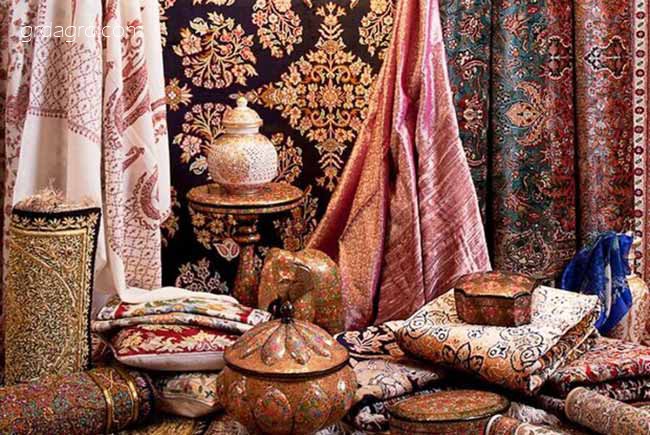

Yazd, a UNESCO World Heritage city in the heart of Iran, is a treasure trove of ancient architecture and vibrant craftsmanship. Renowned for its adobe structures and desert charm, Yazd’s true allure lies in its thriving artisanal traditions, passed down through generations. From luxurious Termeh fabrics to intricate gold jewelry, the city’s handicrafts captivate travelers worldwide. With hamintour, explore Yazd’s traditional crafts and bring home a piece of its cultural heritage. This guide introduces nine iconic crafts, offering insights into their history, techniques, and where to find them, ensuring an unforgettable shopping experience in this historic city.
Why Explore Yazd’s Handicrafts?
Yazd’s crafts are more than souvenirs—they’re a testament to centuries-old skills and Persian artistry. Each piece, whether a handwoven carpet or a delicate copper vase, tells a story of cultural heritage and meticulous craftsmanship. Visiting Yazd’s bazaars and workshops allows you to connect with local artisans and support sustainable, eco-friendly practices.
-
Cultural Significance: Crafts like Zilu and Termeh reflect Yazd’s Zoroastrian and Islamic heritage.
-
Unique Souvenirs: From pottery to jewelry, these items make meaningful gifts or home decor.
-
Artisanal Quality: Handmade with precision, Yazd’s crafts are built to last.
-
Eco-Friendly Options: Many crafts use natural, locally sourced materials, promoting sustainability.
1. Termeh Weaving: Luxurious Persian Textiles
Overview: Termeh, a sumptuous handwoven fabric, is one of Yazd’s most iconic crafts. Combining silk and wool, Termeh features intricate paisley and floral patterns in vibrant hues like crimson, turquoise, and gold.
History: Originating in the Safavid era, Termeh was used for ceremonial garments and home decor, symbolizing elegance and prestige.
Craftsmanship: The weaving process is labor-intensive, requiring skilled artisans to create complex designs on traditional looms. Each piece can take weeks to complete.
Uses: Tablecloths, cushion covers, and ceremonial shawls.
Where to Buy: Visit Yazd’s Grand Bazaar or Amir Chaghmagh Square for authentic Termeh. Hamintour offers guided shopping tours to trusted vendors.
Why Choose It?: Termeh’s durability and timeless beauty make it a perfect keepsake or gift.
2. Silk Weaving (Zarbaf): A Legacy of Elegance
Overview: Known as Zarbaf, Yazd’s silk weaving produces luxurious, textured fabrics with a shimmering finish.
History: Flourishing during the Safavid period, Zarbaf was favored by royalty for its opulence. Modern techniques have streamlined production, but the craft retains its authenticity.
Craftsmanship: Artisans use fine silk threads to weave intricate patterns, often incorporating metallic threads for added luster.
Uses: Scarves, dresses, and decorative wall hangings.
Where to Buy: Find Zarbaf in Yazd’s bazaars or specialty shops along Jomhouri Boulevard. Hamintour’s tours include visits to silk-weaving workshops.
Why Choose It?: Zarbaf’s lightweight elegance and rich history make it a versatile souvenir.
3. Pottery and Ceramics: Desert-Inspired Art
Overview: Yazd’s pottery, particularly from Meybod, is celebrated for its minimalist yet striking designs, inspired by the desert’s earthy tones.
History: With over a millennium of history, Meybod’s abundant clay has made it a pottery hub since ancient times.
Craftsmanship: Artisans hand-shape clay into plates, bowls, mugs, and vases, often glazed in blues, greens, or ochre.
Uses: Functional tableware or decorative pieces for home decor.
Where to Buy: Meybod’s pottery market or Yazd’s Grand Bazaar. Hamintour can arrange visits to pottery workshops.
Why Choose It?: These eco-friendly, handcrafted pieces add a rustic charm to any space.
4. Tilework (Kashi Kari): Vibrant Persian Patterns
Overview: Yazd’s tilework, or Kashi Kari, adorns mosques, homes, and public spaces with vivid mosaics in blues, greens, and yellows.
History: A hallmark of Persian and Islamic art, tilework in Yazd combines geometric patterns, floral motifs, and calligraphy.
Craftsmanship: Artisans cut and arrange tiny tiles into intricate designs, often using traditional kilns for firing.
Uses: Decorative tiles for home accents or small mosaic panels as souvenirs.
Where to Buy: Specialty shops near Jameh Mosque or through hamintour’s artisan tours.
Why Choose It?: Tilework captures Yazd’s architectural splendor in portable form.
5. Carpet Weaving: Persian Masterpieces
Overview: Yazd’s carpets are renowned for their durability and intricate designs, blending wool and silk for a luxurious finish.
History: Part of Iran’s world-famous carpet-weaving tradition, Yazd’s carpets feature floral medallions and geometric patterns.
Craftsmanship: Handwoven on looms, each carpet requires months of work by skilled artisans.
Uses: Floor rugs, wall hangings, or collector’s items.
Where to Buy: Yazd’s Grand Bazaar or carpet shops in Fahadan district. Hamintour offers curated shopping experiences with trusted vendors.
Why Choose It?: A Yazd carpet is a long-lasting investment in Persian artistry.
6. Goldsmithing and Jewelry: Delicate Persian Designs
Overview: Yazd’s goldsmithing produces intricate jewelry, blending traditional Persian motifs with modern elegance.
History: Dating back centuries, this craft uses techniques like filigree and gemstone setting.
Craftsmanship: Artisans craft rings, necklaces, and bracelets with turquoise, agate, and other local stones.
Uses: Personal adornment or thoughtful gifts.
Where to Buy: Jewelry shops in Amir Chaghmagh Square or through hamintour’s guided tours.
Why Choose It?: Yazd’s jewelry combines cultural heritage with wearable art.
7. Toreutics (Qalamzani): Engraved Metalwork
Overview: Toreutics, or Qalamzani, involves carving intricate designs into copper, brass, or silver.
History: A traditional Persian craft, it flourished in Yazd due to the city’s metalworking heritage.
Craftsmanship: Artisans etch floral, geometric, or calligraphic patterns onto trays, vases, and mirrors.
Uses: Decorative pieces or functional items like serving trays.
Where to Buy: Yazd’s bazaars or specialty metalwork shops. Hamintour can connect you with artisans.
Why Choose It?: Qalamzani pieces are both functional and visually stunning.
8. Zilu Weaving: Traditional Cotton Rugs
Overview: Zilu rugs, unique to Yazd, are handwoven cotton rugs known for their geometric patterns and vibrant colors.
History: Used for over a thousand years, Zilu is tied to Yazd’s Zoroastrian heritage.
Craftsmanship: Woven on traditional looms, Zilu rugs feature red, white, or blue designs.
Uses: Lightweight floor coverings or wall hangings.
Where to Buy: Meybod’s Zilu Museum or Yazd’s bazaars. Hamintour offers tours to Zilu workshops.
Why Choose It?: Zilu’s affordability and cultural significance make it a unique souvenir.
9. Coppersmithing: Timeless Metal Craft
Overview: Yazd’s coppersmithing produces both decorative and functional copper items, from vases to cookware.
History: Rooted in the city’s metalworking tradition, coppersmithing remains a vibrant craft.
Craftsmanship: Artisans hammer and etch copper into polished or patterned designs.
Uses: Kitchenware, decorative bowls, or ornamental pieces.
Where to Buy: Copper shops in Yazd’s Grand Bazaar or through hamintour’s artisan tours.
Why Choose It?: Copperware blends practicality with artistic beauty.
Where to Buy Yazd’s Traditional Crafts
-
Yazd Grand Bazaar: A bustling market with a wide range of crafts, from Termeh to copperware.
-
Amir Chaghmagh Square: Home to specialty shops selling jewelry and tiles.
-
Meybod: Ideal for pottery and Zilu rugs, with workshops open to visitors.
-
Fahadan District: Offers boutique stores with carpets and handicrafts.
-
Hamintour Tours: Join guided shopping tours to connect with trusted artisans and avoid counterfeits.
Are Yazd’s Crafts Eco-Friendly?
Many of Yazd’s crafts, such as pottery, Zilu, and Termeh, use natural materials like clay, cotton, and wool, making them eco-friendly. Artisans often employ traditional, low-impact techniques, supporting sustainable practices. Opt for handmade items from local vendors to ensure eco-conscious purchases.
How to Ensure Authenticity
-
Shop Reputable Vendors: Buy from established bazaars or workshops recommended by hamintour.
-
Check Craftsmanship: Look for handwoven textures, natural dyes, or artisan signatures.
-
Ask Questions: Inquire about the craft’s origin and production process.
-
Avoid Mass-Produced Items: Authentic crafts take time to create and reflect unique details.
Can You Buy Yazd’s Crafts Online?
Yes, some artisans and shops offer online sales through platforms or hamintour’s partnered vendors. However, purchasing in person ensures authenticity and supports local craftsmen directly. Check hamintour’s website for curated online options from trusted sellers.
Plan Your Craft Shopping with hamintour
Hamintour offers tailored experiences to explore Yazd’s artisanal heritage:
-
Guided Craft Tours: Visit workshops and bazaars with expert guides to discover authentic pieces.
-
Custom Itineraries: Focus on specific crafts like Termeh or pottery, tailored to your interests.
-
Hotel Bookings: Stay near Yazd’s shopping hubs with hamintour’s exclusive hotel deals.
-
Flight Packages: Book affordable flights to Yazd for a seamless travel experience.
Visit hamintour’s website to plan your craft-focused journey and bring home Yazd’s timeless artistry.
Iran Tours with hamintour
Join hamintour’s group tours to explore Yazd and its crafts:
-
7-Day Iran Tour: Includes Yazd’s bazaars and workshops (€960, Early Bird €860).
-
9-Day Iran Tour: Deeper dive into Yazd’s cultural heritage (€1,100, Early Bird €860).
-
15-Day Iran Tour: Comprehensive exploration of Iran’s crafts and history (€1,690, Early Bird €1,520).
Book now at hamintour’s website for availability and exclusive discounts.
Conclusion: Bring Yazd’s Artistry Home
Yazd’s traditional crafts are a vibrant reflection of its UNESCO heritage, blending history, skill, and beauty. From the luxurious weaves of Termeh and Zarbaf to the intricate designs of tilework and Qalamzani, these handicrafts offer travelers a chance to own a piece of Persian culture. Whether shopping in the Grand Bazaar or visiting Meybod’s pottery workshops, Yazd’s artisanal treasures are unforgettable. Plan your craft-hunting adventure with hamintour and discover the soul of Yazd through its timeless artistry.
Frequently Asked Questions (FAQs)
-
Where can visitors buy traditional crafts in Yazd?
The Grand Bazaar, Amir Chaghmagh Square, Meybod, and Fahadan district are top spots. Join hamintour’s guided tours for trusted vendors. -
Are Yazd’s crafts eco-friendly?
Yes, many crafts use natural materials like cotton, wool, and clay, with sustainable, low-impact techniques. -
How can I ensure the crafts I buy are authentic?
Shop at reputable bazaars, check for handmade details, and book with hamintour to connect with verified artisans. -
Can I buy Yazd’s traditional crafts online?
Some vendors offer online sales through hamintour’s partners, but in-person purchases ensure authenticity and support local craftsmen.