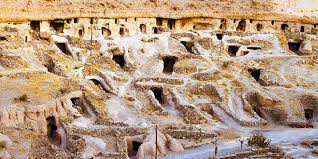

Nestled in the heart of Kerman province, Iran, the ancient village of Meymand stands as a testament to human ingenuity and resilience. With a history spanning over 12,000 years, this hand-carved rocky village is a remarkable blend of natural beauty, cultural heritage, and architectural brilliance. Registered as a UNESCO World Heritage Site in 2015, Meymand is Iran’s 19th global heritage site and the 7th historical and natural landscape on the prestigious list. Its unique rock-hewn homes, carved meticulously by hand, have earned it the title of the “hand-carved village of Meymand.” In 2001, it was also recognized as a national monument, and its cultural and environmental preservation efforts were honored with the prestigious Melina Mercouri Prize, awarded by Greece in collaboration with UNESCO and ICOMOS.
This article takes you on an immersive journey through the history, architecture, and captivating attractions of Meymand, showcasing why it’s a must-visit destination for travelers seeking an authentic experience with hamintour. Let’s explore the secrets of this ancient marvel and why it continues to captivate the world.
Contents
- The Ancient Roots of Meymand Village
- Unique Architectural Marvels of Meymand
- Inside the Rock-Hewn Homes of Meymand
- Must-Visit Attractions in Meymand Village
- The Ideal Time to Explore Meymand
- Why Meymand is a Bucket-List Destination
- Frequently Asked Questions
1. The Ancient Roots of Meymand Village
Meymand Village, located in Babak County, 215 kilometers from Kerman city, is one of the oldest continuously inhabited settlements in Iran. Its history stretches back over 12,000 years, with archaeological evidence suggesting ties to the Median people, an ancient civilization known for their advanced architectural techniques. Some researchers propose that the village’s rock-carved structures may be linked to Mithraism, an ancient religion that revered mountains as sacred symbols of immortality. This spiritual connection likely influenced the villagers to carve their homes directly into the cliffs, creating a harmonious bond with the natural landscape.
Excavations in Meymand have uncovered pottery shards from the Parthian, Sassanid, and Islamic eras, indicating the village’s role as a cultural crossroads through millennia. The rock carvings, some dating back 12,000 years, showcase intricate designs that reflect the artistic prowess of its early inhabitants. These findings highlight Meymand’s significance as a living museum, where history whispers through every stone and crevice. With hamintour, travelers can delve into this rich historical tapestry, exploring a village that has thrived for centuries while preserving its ancient charm.
2. Unique Architectural Marvels of Meymand
Spanning 420 square kilometers, Meymand’s architecture is unlike any other. The village is a masterpiece of human creativity, with homes carved directly into the rocky cliffs rather than built with traditional materials. This unique construction method involves hollowing out the mountains to form living spaces, creating a seamless integration with the environment. The result is a village without conventional streets or sidewalks, where the roof of one home often serves as the courtyard for another.
The rock-hewn structures are not only visually striking but also highly functional. The stone walls act as natural insulators, keeping homes cool in the scorching summers and warm during chilly winters. This sustainable design has allowed Meymand to remain a thriving settlement for thousands of years. The village’s layout, with homes stacked in layers, creates a visually captivating scene that feels like stepping into a time capsule. Visitors with hamintour can marvel at this architectural ingenuity, which showcases the perfect harmony between humans and nature.
3. Inside the Rock-Hewn Homes of Meymand
The homes in Meymand, known locally as “Kiches,” are a testament to the village’s innovative spirit. Approximately 400 Kiches, organized in 2 to 5 stories, contain around 2,500 rooms, each with an average area of 90 square meters. These homes are carved entirely from stone, making them resistant to fire, wind, and rain. The thick stone walls provide excellent insulation, ensuring a comfortable living environment year-round.
To enter a Kiche, visitors must pass through a narrow passage and stoop to navigate the shorter-than-usual doorways, adding to the village’s unique charm. Inside, the homes feature a simple yet practical layout, including an entrance, living room, multiple rooms, and even a stable for livestock. Niches carved into the walls serve as storage spaces for household items like dishes, lamps, and bedding, demonstrating the villagers’ resourcefulness. Exploring these homes with hamintour offers a glimpse into a way of life that has remained largely unchanged for centuries, blending practicality with timeless beauty.
4. Must-Visit Attractions in Meymand Village
Meymand is more than just its rock-hewn homes; it’s a treasure trove of cultural and historical attractions. Here are some highlights that make this village a must-visit destination:
Meymand Fire Temple and Ethnographic Museum
Once a sacred fire temple, this site has been transformed into an ethnographic museum that showcases the rich traditions of Meymand’s people. Visitors can explore handicrafts, agricultural products, and cultural artifacts that offer insight into the village’s way of life. The museum is a perfect stop for those traveling with hamintour, providing a deeper understanding of Meymand’s heritage.
Meymand Traditional Bathhouse
The village’s ancient bathhouse is a marvel of rock architecture, featuring traditional Iranian bathhouse elements like a pool and dressing area, all carved into the stone. Now converted into a museum, it offers a fascinating look at how the villagers maintained hygiene in harmony with their environment. This attraction is a highlight for hamintour travelers seeking to uncover Meymand’s hidden gems.
Meymand Mosque and School
The village’s mosque is a striking example of minimalist design, with no windows and light entering solely through the entrance. Built on three stone columns, its irregular geometric shape and mountain-carved mihrab add to its mystique. The adjacent school, with five classrooms and a stone-partitioned courtyard, reflects the village’s commitment to education within its unique architectural framework.
Ashkoor Gobiyeh and Ashkeft Caves
Surrounding Meymand are stunning caves adorned with colorful rock carvings and paintings. These natural wonders, including the Ashkoor Gobiyeh and Ashkeft caves, offer a glimpse into the artistic expressions of ancient inhabitants. A visit to these caves with hamintour is a journey into the heart of Meymand’s prehistoric past.
5. The Ideal Time to Explore Meymand
Meymand’s high-altitude location and rocky terrain make spring and summer the best seasons to visit. During these months, the weather is mild, allowing travelers to comfortably explore the village’s attractions and enjoy its scenic beauty. Autumn and winter bring colder temperatures, which can make outdoor exploration challenging. Planning your trip with hamintour during the warmer months ensures a pleasant and memorable experience.
6. Why Meymand is a Bucket-List Destination
Meymand Village is more than a destination; it’s a living testament to human creativity and resilience. Its hand-carved homes, ancient history, and cultural treasures make it a must-visit for anyone seeking an authentic travel experience. Staying in the village’s eco-lodges or guesthouses allows visitors to immerse themselves in the unique lifestyle of Meymand’s inhabitants while exploring its historical sites. With hamintour, travelers can embark on a journey that combines adventure, culture, and history, creating memories that last a lifetime.
Frequently Asked Questions
1. Where is Meymand Village located?
Meymand Village is situated in Babak County, Kerman province, Iran, approximately 215 kilometers from the city of Kerman.
2. What makes the architecture of Meymand’s houses unique?
The houses, known as Kiches, are carved directly into the rocky cliffs, creating a seamless integration with the natural landscape. This hand-carved design eliminates the need for traditional building materials and provides natural insulation.
3. What is the best time to visit Meymand Village?
Spring and summer are the ideal seasons to visit Meymand, as the mild weather makes it easier to explore the village’s attractions and enjoy its scenic beauty.
4. What are the key attractions to explore in Meymand?
Must-visit sites include the Fire Temple (now an ethnographic museum), the traditional bathhouse, the mosque, the school, and the Ashkoor Gobiyeh and Ashkeft caves, known for their ancient rock carvings.
5. How can I plan a visit to Meymand Village?
Partnering with hamintour ensures a seamless travel experience, offering guided tours, eco-lodge accommodations, and insights into Meymand’s rich history and culture.
By exploring Meymand with hamintour, you’ll uncover the timeless beauty of a village that has thrived for over 12,000 years, blending ancient traditions with modern-day wonder.