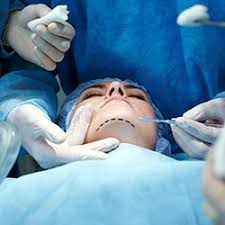

In the ever-evolving realm of anti-aging treatments, choosing between a facelift and Ultherapy is a pivotal decision for those seeking to restore youthful vitality. At Hamintour, we empower you with expert insights to navigate this transformative journey. This comprehensive guide compares these two popular procedures, blending scientific evidence, practical examples, and actionable advice to help you make an informed choice tailored to your aesthetic goals.
Why Anti-Aging Treatments Matter
Aging is a natural process, but modern advancements in cosmetic procedures allow us to address visible signs like sagging skin, wrinkles, and loss of elasticity. According to a 2023 study published in The Journal of Clinical and Aesthetic Dermatology, over 70% of individuals over 40 seek treatments to combat facial aging (PubMed). Whether you’re aiming for a dramatic transformation or subtle enhancements, understanding your options is key.
At Hamintour, we believe in personalized care, offering solutions that align with your lifestyle, budget, and aesthetic aspirations. Let’s explore the world of facelift and Ultherapy, uncovering their benefits, processes, and ideal candidates.
Understanding Facelift: The Gold Standard for Dramatic Rejuvenation
What is a Facelift?
A facelift, or rhytidectomy, is a surgical procedure designed to address moderate to severe signs of aging. By removing excess skin, tightening underlying muscles, and repositioning facial tissues, a facelift delivers a smoother, firmer, and more youthful appearance. This procedure targets areas like the cheeks, jawline, and neck, offering comprehensive rejuvenation.
How Does a Facelift Work?
During a facelift, a board-certified surgeon makes incisions along the hairline and around the ears to access underlying tissues. Excess skin is removed, and muscles are tightened to create a natural, lifted look. According to the American Society of Plastic Surgeons (ASPS), facelifts have a 95% patient satisfaction rate due to their transformative results.
Facelift Benefits
- Long-Lasting Results: A facelift can maintain a youthful appearance for 5–15 years, depending on lifestyle and skin care (ASPS, 2024).
- Comprehensive Correction: Addresses deep wrinkles, jowls, and sagging skin in one procedure.
- Customizable Approach: Surgeons tailor the procedure to your unique facial structure, ensuring natural results.
Facelift Recovery and Care
Post-surgery, patients typically experience swelling and bruising for 1–2 weeks. Full recovery may take 4–6 weeks, with patients advised to avoid strenuous activities. Following your surgeon’s care instructions, such as keeping incisions clean and attending follow-up visits, is crucial for optimal healing.
Real-Life Example: Sarah, a 52-year-old teacher, opted for a facelift through Hamintour. She noticed significant sagging along her jawline and deep nasolabial folds. Post-procedure, Sarah reported a boost in confidence, with colleagues mistaking her for a decade younger. Her recovery was smooth, thanks to Hamintour’s detailed aftercare guidance.
Who Should Consider a Facelift?
Facelifts are ideal for individuals with:
- Moderate to severe skin laxity or jowls.
- Good overall health and non-smokers (smoking can impair healing).
- Realistic expectations about surgical outcomes and recovery.
Exploring Ultherapy: The Non-Invasive Alternative
What is Ultherapy?
Ultherapy is a cutting-edge, non-surgical treatment that uses focused ultrasound energy to stimulate collagen production deep within the skin. Approved by the FDA, Ultherapy targets the SMAS (superficial musculoaponeurotic system) layer—the same layer addressed in facelifts—without incisions. It’s ideal for lifting and tightening the face, neck, and décolletage.
How Does Ultherapy Work?
Ultherapy employs microfocused ultrasound to heat tissue at precise depths, triggering collagen regeneration. According to a 2022 study in Dermatologic Surgery, Ultherapy increased collagen density by 30% within 3–6 months post-treatment (PubMed). Results appear gradually, peaking at 6–12 months.
Ultherapy Benefits
- Non-Invasive: No incisions or anesthesia, making it low-risk.
- Minimal Downtime: Most patients resume normal activities immediately.
- Natural Results: Gradual tightening ensures a subtle, refreshed look.
Ultherapy Recovery and Care
Ultherapy requires no significant recovery. Some patients experience mild redness or swelling for a few hours. Hamintour recommends hydrating the skin and avoiding sun exposure post-treatment to enhance results.
Clinical Scenario: John, a 45-year-old executive, chose Ultherapy through Hamintour to address early signs of neck laxity. With a busy schedule, he appreciated the procedure’s “lunchtime” convenience. Three months later, John noticed a firmer jawline and smoother neck, boosting his professional confidence.
Who Should Consider Ultherapy?
Ultherapy suits individuals with:
- Mild to moderate skin laxity.
- A preference for non-invasive treatments.
- Busy lifestyles requiring minimal downtime.
Facelift vs. Ultherapy: A Detailed Comparison
| Aspect | Facelift | Ultherapy |
|---|---|---|
| Type | Surgical | Non-surgical |
| Procedure Time | 2–4 hours | 30–90 minutes |
| Downtime | 2–6 weeks | None to minimal |
| Results Longevity | 5–15 years | 1–2 years (maintenance sessions needed) |
| Cost | Higher (varies by region) | Lower (may require repeat sessions) |
| Ideal Candidate | Moderate to severe aging signs | Mild to moderate skin laxity |
Key Differences
- Invasiveness: Facelifts involve surgery, while Ultherapy is non-invasive.
- Results Timeline: Facelifts offer immediate, dramatic results; Ultherapy results develop gradually.
- Longevity and Cost: Facelifts are a one-time investment with long-lasting effects, whereas Ultherapy may require periodic sessions for sustained results.
Pro Tip from Hamintour: Combining both treatments can maximize results. For instance, a facelift can address significant sagging, followed by Ultherapy for maintenance, ensuring long-term rejuvenation.
Combining Facelift and Ultherapy for Optimal Results
For those seeking a tailored anti-aging plan, combining surgical and non-surgical treatments can be highly effective. A 2024 study in Aesthetic Surgery Journal found that patients combining facelifts with non-invasive treatments like Ultherapy reported a 20% higher satisfaction rate compared to single-modality treatments (PubMed).
Case Study: Maria, a 50-year-old entrepreneur, worked with Hamintour to create a hybrid plan. She underwent a facelift to address deep wrinkles and followed up with Ultherapy six months later to maintain skin firmness. Two years later, Maria’s results remain vibrant, showcasing the power of combination therapies.
Choosing the Right Treatment with Hamintour
Selecting between a facelift and Ultherapy depends on your aesthetic goals, skin condition, and lifestyle. Hamintour offers personalized consultations to guide you through this decision. Our team connects you with board-certified professionals and provides comprehensive support, from pre-treatment planning to post-procedure care.
Factors to Consider
- Severity of Aging Signs: Deep wrinkles and significant sagging may require a facelift, while mild laxity suits Ultherapy.
- Downtime Tolerance: If you can’t afford weeks of recovery, Ultherapy is the better choice.
- Budget: Facelifts are costlier upfront but may be more economical long-term due to their durability.
Hamintour’s Commitment: We prioritize education and transparency, ensuring you understand every aspect of your chosen procedure. Explore our blog for more insights on anti-aging trends and treatments.
FAQs About Facelift and Ultherapy with Hamintour
1. How long do facelift results last compared to Ultherapy?
Facelift results can last 5–15 years, depending on lifestyle and skin care, while Ultherapy typically lasts 1–2 years, with maintenance sessions recommended (ASPS, 2024).
2. Is Ultherapy painful?
Ultherapy may cause mild discomfort during treatment, but it’s generally well-tolerated. Hamintour ensures patient comfort with tailored care plans.
3. Can I combine a facelift with Ultherapy?
Yes, combining both can enhance and maintain results. Hamintour can design a hybrid treatment plan for optimal outcomes.
4. How do I know which treatment is right for me?
A consultation with Hamintour’s experts will assess your skin condition, goals, and lifestyle to recommend the best option.
5. Are there risks associated with facelifts or Ultherapy?
Facelifts carry risks like swelling or infection, while Ultherapy risks are minimal, such as temporary redness. Hamintour partners with certified professionals to minimize complications.
Conclusion: Start Your Anti-Aging Journey with Hamintour
Whether you’re drawn to the dramatic transformation of a facelift or the subtle lift of Ultherapy, Hamintour is your trusted partner in achieving radiant, youthful skin. Our commitment to evidence-based care, personalized plans, and ongoing support ensures you feel confident at every step. Visit the Hamintour blog for more anti-aging insights or contact us to schedule a consultation today.
Sources:
- The Journal of Clinical and Aesthetic Dermatology (PubMed, 2023)
- American Society of Plastic Surgeons (ASPS), 2024
- Dermatologic Surgery (PubMed, 2022)
- Aesthetic Surgery Journal (PubMed, 2024)