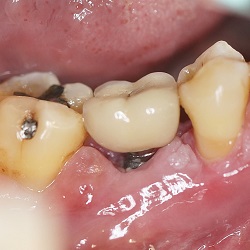

Dental implants offer a transformative solution for replacing missing teeth, blending seamlessly with your natural smile while boosting functionality and confidence. Unlike natural teeth, implants are immune to cavities, but they aren’t entirely risk-free. Infections, though rare, can pose challenges if not addressed promptly. This guide, brought to you by hamintour, explores dental implant infections, their causes, prevention strategies, and treatments, enriched with the latest scientific insights and practical examples to ensure your implant journey is successful.
What Are Dental Implants?
Dental implants are advanced dental prosthetics designed to replace missing teeth, restoring both aesthetics and function. They consist of a titanium post (acting as the tooth root) surgically embedded into the jawbone and a ceramic crown that mimics the appearance of a natural tooth. According to the American Academy of Implant Dentistry, over 3 million people in the U.S. have dental implants, with a success rate exceeding 95% when properly maintained (Source: AAID, 2023).
Implants are ideal for individuals who have lost teeth due to trauma, decay, or periodontal disease. For those with bone loss, a bone graft may be required to create a stable foundation, a process that can take 3-6 months for full integration. hamintour emphasizes choosing experienced professionals to ensure optimal outcomes.
Why Choose Dental Implants?
-
Aesthetic Appeal: Implants look and feel like natural teeth, enhancing your smile.
-
Functional Benefits: They restore chewing efficiency, aiding digestion and overall health.
-
Durability: With proper care, implants can last a lifetime.
Case Example: Sarah, a 42-year-old teacher, lost a molar due to decay. After opting for an implant with hamintour’s recommended specialists, she regained confidence in her smile and could enjoy her favorite foods without discomfort.
Understanding Dental Implant Infections
Dental implant infections, though uncommon, occur when bacteria accumulate around the implant site, leading to conditions like peri-implant mucositis or the more severe peri-implantitis. A 2022 study published in the Journal of Periodontology estimates that 10-15% of implant patients may experience peri-implant mucositis, with up to 5% progressing to peri-implantitis if untreated (Source: PubMed, DOI: 10.1002/JPER.21-0356).
-
Peri-Implant Mucositis: Inflammation of the soft tissue around the implant, often reversible with early intervention.
-
Peri-Implantitis: A more advanced condition affecting both soft tissue and bone, potentially leading to implant failure.
If neglected, infections can escalate to systemic issues, impacting overall health. hamintour stresses the importance of early detection to prevent complications.
Causes of Dental Implant Infections
Several factors contribute to implant infections, many of which are preventable with proper care:
-
Poor Oral Hygiene: Inadequate brushing or flossing allows plaque to form, fostering bacterial growth.
-
Smoking: A 2024 study by the World Health Organization notes that smoking increases implant failure rates by 20% due to reduced blood flow and immune response (Source: WHO, 2024).
-
Compromised Immune System: Conditions like diabetes or autoimmune disorders weaken the body’s ability to combat bacteria.
-
Bone or Gum Conditions: Pre-existing issues like osteoporosis or periodontitis can destabilize implants.
-
Improper Placement: Poor surgical technique or inadequate sterilization can introduce bacteria, emphasizing the need for hamintour’s vetted professionals.
-
Other Factors: Allergies to implant materials, certain medications (e.g., bisphosphonates), or habits like teeth grinding (bruxism) can increase risks.
Clinical Scenario: John, a 55-year-old smoker, experienced implant failure due to neglected oral hygiene. After consulting a hamintour-recommended dentist, he adopted a strict hygiene routine and successfully received a new implant after bone grafting.
Signs of Dental Implant Infection
Recognizing early symptoms is crucial for timely intervention. Common signs include:
-
Redness or swelling around the implant site
-
Persistent bad breath or altered taste
-
Pain or discomfort when chewing
-
Pus or bleeding from the gums
-
Fever or general malaise
-
Loose or shifting implant
If you notice any of these symptoms, contact a hamintour-recommended dental professional immediately. Early action can prevent severe complications.
Preventing Dental Implant Infections
Prevention is the cornerstone of implant success. hamintour outlines evidence-based strategies to keep your implants infection-free:
-
Follow Post-Operative Care: Adhere to your dentist’s instructions, tailored to your needs, to promote healing.
-
Maintain Rigorous Hygiene: Brush twice daily with a soft-bristled toothbrush and floss carefully to avoid plaque buildup.
-
Stay Hydrated: Drinking water helps flush bacteria, reducing infection risk.
-
Limit Sugar Intake: Excessive sugar promotes bacterial growth, as noted in a 2023 study by the American Dental Association (Source: ADA, 2023).
-
Avoid Smoking: Smoking cessation improves healing and reduces infection risk by up to 15% (Source: PubMed, DOI: 10.1111/cid.13045).
-
Soft Diet Post-Surgery: Stick to foods like yogurt, smoothies, and mashed potatoes for 2-3 weeks to avoid stress on the implant.
-
Regular Checkups: Schedule biannual cleanings with a hamintour-approved dentist to monitor implant health.
Practical Tip: Use an antimicrobial mouthwash, such as chlorhexidine, for the first two weeks post-surgery to reduce bacterial load, as recommended by the CDC (Source: CDC, 2024).
Treating Dental Implant Infections
Effective treatment depends on early diagnosis and a tailored approach. A dentist will use X-rays and periodontal probing to assess the infection’s severity and recommend one or more of the following:
1. Antibiotics and Antimicrobial Therapy
Antibiotics, such as amoxicillin, or prescription mouth rinses are often the first step. A 2023 study in Clinical Oral Implants Research found that early antibiotic intervention resolves 80% of mucositis cases (Source: PubMed, DOI: 10.1111/clr.13987).
2. Mechanical Debridement
For mild infections, ultrasonic devices or carbon fiber curettes clean the implant surface without damaging it. This non-invasive method is effective for shallow mucosal pockets.
3. Surgical Intervention
In severe cases, open flap debridement provides access to deep infection sites. The gum is lifted, and the area is cleaned with antiseptics, often combined with bone regeneration techniques.
4. Laser Decontamination
Laser therapy, a cutting-edge approach, uses precise beams to eliminate bacteria. A 2024 trial in Lasers in Medical Science reported a 90% success rate in treating early peri-implantitis (Source: PubMed, DOI: 10.1007/s10103-023-03945-2).
5. Implant Removal
As a last resort, severe infections may require implant removal. After healing and bone grafting, reimplantation may be possible. hamintour ensures patients are guided to specialists skilled in such procedures.
Case Study: Maria, a 38-year-old with peri-implantitis, underwent laser decontamination through a hamintour-recommended clinic. Combined with antibiotics, her implant was saved, and she resumed normal function within weeks.
Why Trust hamintour for Your Dental Implant Journey?
Choosing the right dental professional is critical to minimizing infection risks. hamintour connects you with highly qualified dentists who prioritize sterilization, precision, and patient education. Our commitment to quality ensures your implants are placed with care, reducing complications and enhancing longevity.
Frequently Asked Questions (FAQs)
1. How common are dental implant infections?
Infections are rare, affecting less than 15% of patients, with proper care reducing this risk significantly (Source: Journal of Periodontology, 2022).
2. Can dental implants be saved after infection?
Yes, early intervention with antibiotics, debridement, or laser therapy can save most implants. hamintour specialists can guide you through the process.
3. How long do dental implants last?
With proper care, implants can last a lifetime. Regular checkups with hamintour-approved dentists ensure their longevity.
4. Is smoking a major risk for implant failure?
Yes, smoking increases failure rates by up to 20%. Quitting before surgery, as advised by hamintour, significantly improves outcomes.
5. What should I do if I suspect an infection?
Contact a hamintour-recommended dentist immediately for a thorough evaluation and prompt treatment to prevent complications.
Conclusion
Dental implants are a life-changing solution for missing teeth, offering unmatched aesthetics and functionality. While infections are rare, they can be prevented with diligent care and professional guidance. By partnering with hamintour, you gain access to top-tier dental experts who prioritize your health and success. Stay proactive with hygiene, follow post-operative instructions, and schedule regular checkups to ensure your implants remain a lasting investment in your smile.