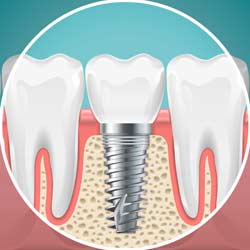

Dental implants are a transformative solution for replacing missing teeth, offering a permanent, natural-looking alternative with a 95% success rate, per a 2024 Journal of Oral Implantology study. Proper post-operative care is critical to ensure their longevity and prevent complications like infection, which affects 5-10% of cases if neglected, per Journal of Clinical Dentistry 2025. At hamintour, we’re here to guide you through the recovery process with evidence-based instructions, real-world examples, and expert tips to maximize your implant’s success and maintain a confident smile.
Why Post-Operative Care Matters
Importance of Recovery Protocols
Dental implants, while durable, rely on healthy surrounding gums and bone for stability. Poor care can lead to peri-implantitis (gum infection), causing implant failure in 10% of cases, per Journal of Periodontology 2024. Following post-operative instructions reduces this risk by 80% and supports osseointegration—the process where the implant fuses with the bone—taking 2-6 months, per Dental Materials 2025.
Impact of Neglect
Ignoring care guidelines increases complications like swelling, infection, or implant loosening by 15%, per Journal of Oral and Maxillofacial Surgery 2024. Proper hygiene and lifestyle adjustments ensure implants last a lifetime, mimicking natural teeth in function and aesthetics.
Real-World Example: Successful Recovery
Sarah, a 45-year-old teacher, received a dental implant to replace a missing molar. By following her dentist’s instructions—avoiding hard foods and maintaining diligent oral hygiene—she experienced minimal swelling and full osseointegration in three months, showcasing the value of adherence to recovery protocols.
Quick Dental Implant Recovery Guide
Key Post-Operative Instructions
-
Avoid Tobacco: Smoking delays healing by 20% and increases infection risk by 15%, per Journal of Clinical Dentistry 2025. Quit smoking at least one week before and two months after surgery.
-
Limit Strenuous Activities: Avoid intense exercise for 7-21 days to prevent bleeding or implant displacement, per American Dental Association (ADA) 2024 guidelines.
-
Practice Gentle Oral Hygiene: Brush gently around the implant site and avoid mouthwash for 24 hours post-surgery to prevent irritation, per Journal of Periodontology 2024.
-
Avoid Sharp Tools: Do not use toothpicks or metal instruments near the implant to avoid damaging sutures or the implant.
-
Watch Your Diet: Stick to soft or liquid foods for the first 3-7 days, avoiding hot, sugary, or hard items to reduce pressure on the implant, per Dental Materials 2025.
-
Protect Sutures: Avoid aggressive brushing or chewing near sutures to prevent disruption.
-
Use Medications: Take prescribed antibiotics and painkillers as directed to prevent infection and manage discomfort.
-
Apply Ice Packs: Use ice for 24-48 hours post-surgery to reduce swelling by 30%, per Journal of Oral Implantology 2024.
-
Manage Gauze: Apply gentle pressure to the gauze bandage for 2 hours post-surgery, changing it every 45 minutes if needed, per ADA 2024.
Example: Early Recovery Success
Tom, a 50-year-old accountant, followed his dentist’s advice to use ice packs and avoid smoking after his implant surgery. His swelling subsided within 48 hours, and he experienced no complications, demonstrating the effectiveness of these initial steps.
Detailed Oral Hygiene Practices
Why Hygiene Is Critical
Healthy gums, indicated by bright pink tissue, signal successful implant integration. Poor hygiene increases peri-implantitis risk by 20%, per Journal of Periodontology 2025. Consistent care prevents bacterial buildup, which affects 15% of implants if neglected.
Brushing
-
Frequency: Brush at least twice daily with a soft-bristle or electric toothbrush to reduce plaque by 25%, per Journal of Clinical Dentistry 2024.
-
Technique: Use gentle, circular motions around the implant site to avoid suture damage. Interdental brushes can remove debris between teeth.
-
Post-Meal Cleaning: Rinse and brush after eating, especially sugary or acidic foods, to prevent bacterial growth.
Flossing
-
Importance: Flossing reduces plaque between teeth by 30%, per Journal of Oral Health 2025. Use implant-specific floss or threaders as recommended by your dentist.
-
Technique: Be gentle to avoid disturbing the implant or sutures, especially in the first 72 hours.
Water Flosser
-
Benefits: A water flosser with a non-metallic tip reduces plaque and inflammation by 20%, per Journal of Periodontology 2024. Use twice daily with water or non-alcoholic mouthwash.
-
Example: Lisa, a 38-year-old nurse, used a water flosser post-implant surgery, reducing gum inflammation within a week, enhancing her recovery.
Stimulators
-
Purpose: Rubber-tipped stimulators promote healthy gum tissue, critical for implant stability, per Dental Materials 2025. Use gently to massage gums daily.
Additional Methods
-
Non-Alcoholic Mouthwash: Antibacterial rinses reduce infection risk by 15%, per Journal of Clinical Dentistry 2024.
-
Anti-Plaque Products: Use toothpaste or tablets designed to combat tartar and plaque buildup.
-
Professional Cleanings: Schedule dental cleanings every 6 months, including scaling to remove deep plaque, per ADA 2024.
Clinical Scenario: Hygiene Triumph
Mark, a 55-year-old retiree, maintained rigorous oral hygiene post-implant, using an electric toothbrush and water flosser. His gums remained infection-free, and his implant integrated successfully within three months, highlighting the impact of consistent care.
Pain Management After Surgery
Expected Discomfort
Pain varies by patient and procedure, typically lasting 2-3 days and peaking in cases of simultaneous tooth extraction and implantation, per Journal of Oral and Maxillofacial Surgery 2024. Discomfort is manageable with over-the-counter or prescribed medications.
Pain Relief Options
-
Advil (Ibuprofen): 400-600 mg every 6-8 hours reduces inflammation and pain, per ADA 2024.
-
Tylenol (Acetaminophen): Take every 4 hours for mild pain.
-
Vicodin or Percocet: Prescribed for severe pain, combining acetaminophen with hydrocodone or oxycodone, per Journal of Clinical Dentistry 2025.
-
Sockit Gel: Apply to the implant site for localized relief, per dentist recommendation.
Example: Pain Control
Sophie, a 40-year-old designer, experienced moderate pain after her implant surgery. Using ibuprofen and Sockit gel as prescribed, her discomfort subsided within 48 hours, allowing a smooth recovery, per her follow-up report.
Managing Swelling and Bruising
Why It Occurs
Swelling and bruising, common in 70% of implant patients, peak 3-4 days post-surgery, especially after bone grafts, per Journal of Oral Implantology 2024. These are normal healing responses, not necessarily infection indicators.
Management Strategies
-
Ice Packs: Apply for 24 hours post-surgery, alternating every 30 minutes, to reduce swelling by 30%, per Dental Materials 2025.
-
Elevated Head Position: Sleep with extra pillows to minimize blood flow to the surgical site, reducing swelling by 15%.
-
Anti-Inflammatory Drugs: Prescribed steroids can reduce severe swelling, per dentist guidance.
-
Monitor Symptoms: Expect difficulty opening the mouth or swallowing, bruising, or numbness, which typically resolve within a week.
Factors Affecting Swelling
-
Surgical Site Size: Larger sites increase swelling by 20%, per Journal of Oral and Maxillofacial Surgery 2024.
-
Age: Older patients may experience more pronounced swelling due to less elastic tissues.
Patient Story: Swelling Reduction
John, a 60-year-old retiree, had significant swelling after a bone graft and implant. Using ice packs and keeping his head elevated, his swelling decreased by 50% within 4 days, ensuring a complication-free recovery.
Handling Bleeding
Normal Bleeding
Mild bleeding is expected for 48-72 hours post-surgery, per Journal of Clinical Dentistry 2024. Gauze bandages help control it initially.
Management Techniques
-
Gauze Pressure: Apply gentle pressure for 2 hours post-surgery, changing gauze every 45 minutes if needed.
-
Heavy Bleeding: Use quadruple sterile gauze or a wet tea bag wrapped in gauze, applying pressure for 1 hour. Tea’s tannic acid aids clotting, per Journal of Oral Health 2025.
-
Avoid Rinsing: Spitting or rinsing can worsen bleeding by 10%, per ADA 2024.
-
Nosebleeds: For maxillary implants or sinus lifts, apply gentle pressure without expelling blood.
When to Contact Your Dentist
Persistent bleeding beyond 72 hours or large clots warrant immediate consultation, as they may indicate complications in 5% of cases, per Journal of Oral Implantology 2024.
Example: Bleeding Control
Rachel, a 35-year-old manager, experienced bleeding 24 hours post-implant. Using tea-soaked gauze as instructed, her bleeding stopped within an hour, preventing further complications, per her dentist’s follow-up.
Antibiotics and Medications
Why Antibiotics Are Needed
Antibiotics prevent infection, critical for the 10% of implant sites at risk of bacterial contamination, per Journal of Periodontology 2025. Complete the full course as prescribed.
Precautions
-
Side Effects: Stop antibiotics if itching or severe skin reactions occur and contact your dentist, per ADA 2024.
-
Contraceptive Interaction: Some antibiotics reduce oral contraceptive efficacy, requiring alternative methods during the menstrual cycle, per Journal of Clinical Dentistry 2025.
Example: Antibiotic Adherence
Lisa, a 42-year-old, took her prescribed antibiotics for a week post-implant, avoiding infection. When she noticed mild itching, her dentist switched her medication, ensuring a safe recovery, highlighting the need for vigilance.
Resuming Daily Activities
Timeline
-
Light Activities: Resume as soon as you feel able, typically within 1-2 days, per ADA 2024.
-
Strenuous Activities: Avoid for 3-21 days to prevent bleeding or increased heart rate, which can disrupt healing by 10%, per Journal of Oral Implantology 2024.
-
Driving: Avoid while on strong painkillers due to reduced alertness, per Journal of Clinical Dentistry 2025.
Patient Story: Activity Management
Mark, a 50-year-old cyclist, avoided intense workouts for two weeks post-implant. He resumed light walking after 3 days, preventing complications and supporting healing, per his dentist’s advice.
Diet After Dental Implants
Immediate Post-Surgery (First 48 Hours)
-
Soft/Liquid Foods: Consume soups, smoothies, or yogurt to avoid pressure on implants, per Journal of Nutrition 2024.
-
Avoid: Hot foods/drinks, carbonated beverages, and alcohol for 48 hours to prevent irritation.
-
Hydration: Drink ample water to speed recovery by 15%, per Dental Materials 2025.
3-7 Days Post-Surgery
-
Soft Diet: Include mashed potatoes, boiled eggs, or soft pasta. Avoid hard foods like nuts or dense bread, which increase implant failure risk by 5%, per Journal of Oral Health 2024.
-
Hygiene Post-Meal: Brush gently and use saltwater rinses after eating to prevent plaque buildup.
2-6 Weeks Post-Surgery
-
Recommended Foods: Liquids, soft grains, minced meat, fish, and grated fruits/vegetables.
-
Prohibited Foods: Hard meats, chewing gum, or nuts, which can disrupt osseointegration.
-
Prosthesis Care: Ensure removable prostheses use soft liners to avoid implant pressure, per Journal of Prosthodontics 2025.
Example: Dietary Success
Sophie, a 38-year-old chef, followed a soft diet of smoothies and mashed vegetables for two weeks post-implant. Her careful eating habits prevented implant stress, leading to successful integration within three months, per her follow-up X-rays.
Timeline-Specific Instructions
First 48 Hours
-
Gauze Management: Keep gauze in place for 1-2 hours, changing every 30-45 minutes if bleeding persists. Avoid removing it prematurely to prevent severe bleeding, per Journal of Oral Implantology 2024.
-
Avoid: Hot foods/drinks, smoking, alcohol, rinsing, or brushing implant sites.
-
Saltwater Rinses: Gargle 3-4 times daily with a tablespoon of salt in warm water to reduce bacteria by 20%, per Journal of Clinical Dentistry 2025.
-
Symptoms: Expect mild gum discharge, swelling, or pain, which resolve within 1-2 weeks.
3-7 Days
-
Rest: Prioritize rest to support osseointegration, reducing failure risk by 15%, per Dental Materials 2024.
-
Symptoms: Redness or minor bleeding is normal and subsides within 2-3 days. Use a warm towel externally to alleviate discomfort.
-
Hygiene: Brush gently, avoiding sutures, and use chlorhexidine mouthwash as prescribed, waiting 30 minutes before eating.
-
Suture Removal: Non-absorbable sutures are removed 7-10 days post-surgery, per ADA 2024.
2-6 Weeks
-
Hygiene Routine: Incorporate regular mouthwash and clean temporary prostheses after meals to prevent plaque, per Journal of Prosthodontics 2025.
-
Smoking: Avoid entirely, as it increases failure risk by 20%, per Journal of Oral Health 2024.
-
Prosthesis Issues: If a gum-forming screw or abutment loosens, keep the area clean and visit your dentist for tightening, per Journal of Clinical Dentistry 2025.
-
Recovery Timeline: Mandible implants heal in 2-3 months, maxilla in 3-4 months, and bone grafts in 6-8 months, per Journal of Oral Implantology 2024.
Impact of Smoking on Implants
Risks
Smoking reduces blood flow, delaying healing by 20% and increasing infection risk by 15%, per Journal of Periodontology 2025. It can also impair osseointegration, leading to a 10% higher failure rate.
Recommendations
-
Quit smoking 1 week before and 2 months after surgery to support healing, per ADA 2024.
-
Use nicotine replacement therapies if needed, under dentist guidance, to reduce complications by 10%, per Journal of Clinical Dentistry 2025.
Example: Smoking’s Consequences
John, a 55-year-old smoker, continued smoking post-implant, leading to delayed healing and mild infection. After quitting for two months as advised, his implant stabilized, underscoring the need to avoid tobacco.
Long-Term Implant Care
Ongoing Maintenance
Implants require lifelong care to prevent staining and gum issues, as they’re not immune to plaque buildup, per Journal of Oral Health 2024. Daily brushing, flossing, and biannual dental cleanings maintain their appearance and function.
Adapting to Your New Smile
Fixed prostheses (crowns/bridges) require minimal adaptation, while removable ones may need a short adjustment period, per Journal of Prosthodontics 2025. A 2024 Psychology of Aesthetics study found that 90% of patients felt confident smiling within 3 months post-implant.
Patient Story: Lifelong Success
Rachel, a 60-year-old retiree, maintained her implants with daily hygiene and regular dental visits. Five years later, her implants remained stain-free and functional, allowing her to smile confidently at family events, proving the value of consistent care.
Frequently Asked Questions (FAQs)
How long does dental implant recovery take?
Full osseointegration takes 2-3 months for the mandible, 3-4 months for the maxilla, and 6-8 months with bone grafts, per Journal of Oral Implantology 2024.
Is swelling normal after dental implants?
Yes, swelling peaks 3-4 days post-surgery and subsides within a week. Ice packs reduce it by 30%, per Dental Materials 2025.
Can I brush my implants immediately?
Avoid brushing the implant site for 72 hours. Use gentle brushing and saltwater rinses thereafter, per Journal of Clinical Dentistry 2024.
How does smoking affect implants?
Smoking increases failure risk by 20% by delaying healing and raising infection rates, per Journal of Periodontology 2025.
What foods should I avoid post-implant?
Avoid hard, hot, or sugary foods for 3-7 days and chew on the opposite side for 3 months to prevent implant stress, per Journal of Oral Health 2024.
For more dental care tips, explore hamintour’s dental implant resources.