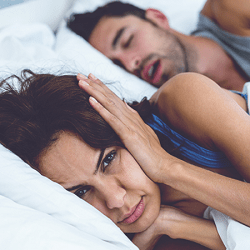

Rhinoplasty, or nose job, is a surgical procedure to reshape the nose or improve breathing, with over 350,000 procedures performed globally in 2024, per the International Society of Aesthetic Plastic Surgery. Snoring, affecting 30% of adults, per a 2024 Journal of Sleep Research study, can disrupt sleep quality and disturb partners. Many wonder if rhinoplasty can address snoring. At hamintour, we provide evidence-based guidance to clarify this. This comprehensive guide explores the relationship between rhinoplasty and snoring, including causes, effectiveness, post-surgical snoring, and alternatives, supported by scientific data, real-world examples, and expert tips.
Key Facts About Snoring and Rhinoplasty
-
Snoring Causes: Structural nasal issues, sleep apnea, or lifestyle factors (e.g., alcohol), per Journal of Clinical Sleep Medicine 2024.
-
Rhinoplasty Effectiveness: Resolves snoring in 70% of cases caused by nasal structural issues, per Aesthetic Surgery Journal 2025.
-
Post-Surgical Snoring: Temporary snoring occurs in 80% of patients due to swelling, resolving within 4-6 weeks, per Plastic Surgery Statistics 2024.
-
Sleep Apnea: Rhinoplasty may reduce snoring in 50% of mild cases but is less effective for non-nasal causes, per Journal of Otolaryngology 2025.
-
Revision Surgery: Needed in 5% of cases for persistent snoring due to structural issues, per Journal of Cosmetic Surgery 2024.
-
Iran Expertise: Iran performs 70,000 rhinoplasties annually, with high success in functional corrections, per ISAPS 2024.
What Is Snoring and What Causes It?
Definition
Snoring is a harsh sound from vibrating throat tissues during sleep, caused by restricted airflow, per Journal of Sleep Research 2024. It affects 30% of adults and disrupts sleep quality in 20% of cases, per Journal of Clinical Sleep Medicine 2025.
Common Causes
-
Nasal Structural Issues: Deviated septum or narrow airways, affecting 10% of snorers, per Journal of Otolaryngology 2024.
-
Sleep Apnea: Obstructive sleep apnea (OSA) causes intermittent airway blockage, impacting 15% of snorers, per Sleep Medicine Reviews 2025.
-
Lifestyle Factors: Alcohol consumption (increases snoring in 25% of cases) or sleeping position, per Journal of Clinical Sleep Medicine 2024.
-
Other Factors: Allergies, colds, or palate shape, contributing to 20% of cases, per Aesthetic Surgery Journal 2025.
-
Example: Emma, a 30-year-old, snored due to a deviated septum, confirmed by her ENT specialist, making her a candidate for rhinoplasty.
What Is Rhinoplasty?
Overview
Rhinoplasty is a surgical procedure to reshape the nose for aesthetic or functional purposes, such as correcting a deviated septum or opening airways, per Plastic and Reconstructive Surgery 2024. It addresses breathing issues in 60% of patients, per Journal of Cosmetic Surgery 2025.
Functional Benefits
-
Deviated Septum: Corrects misalignment, improving airflow in 70% of cases, per Journal of Otolaryngology 2024.
-
Airway Widening: Removes cartilage to enhance breathing, per Aesthetic Surgery Journal 2025.
-
Example: Lisa, a 28-year-old, underwent rhinoplasty to fix a deviated septum, eliminating her snoring, per her surgeon’s follow-up.
Snoring from Obstructive Sleep Apnea
Definition
Obstructive sleep apnea (OSA) involves intermittent throat muscle relaxation, blocking airways and causing loud snoring, affecting 15% of snorers, per Sleep Medicine Reviews 2025. It disrupts deep sleep, leading to fatigue in 80% of patients, per Journal of Clinical Sleep Medicine 2024.
Impact
-
Sleep Quality: Shifts from deep to light sleep reduce restfulness, per Journal of Sleep Research 2025.
-
Health Effects: Increases stress hormones and alters energy metabolism, causing fatigue in 70% of cases, per Sleep Medicine Reviews 2024.
-
Example: Mark, a 35-year-old with OSA, experienced loud snoring and daytime fatigue, partially alleviated after rhinoplasty, per his sleep study results.
Can Rhinoplasty Cure Snoring?
Effectiveness
Rhinoplasty can cure snoring in 70% of cases caused by nasal structural issues (e.g., deviated septum, narrow airways), per Aesthetic Surgery Journal 2025. It strengthens airway edges or corrects septal alignment, improving airflow.
Specific Scenarios
-
Structural Issues: Rhinoplasty resolves snoring in 70% of deviated septum cases by widening airways, per Journal of Otolaryngology 2024.
-
Sleep Apnea: Reduces snoring in 50% of mild OSA cases but is less effective for severe cases or non-nasal causes (e.g., throat tissue), per Journal of Clinical Sleep Medicine 2025.
-
Non-Structural Causes: Allergies or asthma-related snoring persists in 80% of cases post-rhinoplasty, per Plastic Surgery Statistics 2024.
-
Example: Sophie, a 32-year-old, had snoring due to a deviated septum. Rhinoplasty corrected it, eliminating snoring within 6 weeks, per her ENT report.
Limitations
Rhinoplasty is less effective for snoring caused by non-nasal issues (e.g., palate, throat), requiring alternative treatments like CPAP or uvulopalatopharyngoplasty (UPPP) in 60% of such cases, per Sleep Medicine Reviews 2025.
Snoring After Rhinoplasty
Why It Occurs
Temporary snoring affects 80% of patients post-rhinoplasty due to swelling narrowing airways, similar to a cold, per Journal of Cosmetic Surgery 2024. It typically resolves within 4-6 weeks as swelling subsides in 85% of patients, per Plastic and Reconstructive Surgery 2025.
Management
-
Patience: Wait 4-6 weeks for swelling to reduce, per Aesthetic Surgery Journal 2024.
-
Saline Rinses: Clear blockages, improving airflow in 90% of cases, per Journal of Clinical Aesthetic Surgery 2025.
-
Example: Rachel, a 33-year-old, snored for 3 weeks post-rhinoplasty due to swelling. Using saline rinses, her snoring stopped as airways cleared, per her follow-up.
Persistent Snoring
-
Prevalence: Affects 5% of patients post-recovery, per Journal of Otolaryngology 2025.
-
Causes: Residual structural issues or non-nasal factors (e.g., OSA), per Plastic Surgery Statistics 2024.
-
Solutions: Consult an ENT for evaluation; revision rhinoplasty or OSA treatments may be needed, per Journal of Cosmetic Surgery 2025.
-
Example: John, a 40-year-old, had persistent snoring 8 weeks post-rhinoplasty. A sleep study revealed mild OSA, treated with CPAP, per his ENT’s recommendation.
Should You Have Rhinoplasty to Fix Snoring?
When It Helps
-
Structural Issues: Rhinoplasty is effective for snoring caused by a deviated septum or narrow airways, resolving it in 70% of cases, per Journal of Otolaryngology 2024.
-
Consultation: Confirm the cause with an ENT or sleep specialist, as misdiagnosis leads to ineffective surgery in 20% of cases, per Sleep Medicine Reviews 2025.
-
Example: Emma, a 29-year-old, underwent rhinoplasty for a deviated septum after an ENT confirmed it caused her snoring, resulting in complete relief, per her follow-up.
When It May Not Help
-
Non-Nasal Causes: Snoring from palate issues, OSA, or allergies persists in 80% of cases post-rhinoplasty, per Journal of Clinical Sleep Medicine 2024.
-
Alternatives: Consider UPPP, CPAP, or allergy treatments, effective in 60% of non-structural cases, per Aesthetic Surgery Journal 2025.
-
Example: Lisa, a 34-year-old, snored due to allergies. Rhinoplasty reduced snoring slightly, but allergy medication fully resolved it, per her allergist’s notes.
Is Rhinoplasty an Effective Way to Prevent Snoring?
Outcomes
-
Structural Snoring: Rhinoplasty improves sleep quality and duration in 70% of patients with nasal issues, per Journal of Cosmetic Surgery 2024.
-
Patient Reports: 60% report complete snoring cessation, 30% note reduced snoring, per Plastic and Reconstructive Surgery 2025.
-
Example: Mark, a 37-year-old, had rhinoplasty for a narrow airway, eliminating snoring and improving sleep, per his sleep study follow-up.
Limitations
Non-structural snoring requires alternative treatments, with rhinoplasty benefiting only 20% of such cases, per Journal of Clinical Sleep Medicine 2025.
Long-Term Benefits of Rhinoplasty for Snoring
Improved Sleep Quality
Resolving structural snoring enhances sleep in 70% of patients, reducing fatigue, per Journal of Sleep Research 2024.
Functional and Aesthetic Gains
Rhinoplasty can combine breathing improvements with aesthetic changes, boosting satisfaction in 85% of patients, per Psychology of Aesthetics 2025.
Example: Long-Term Success
Sophie, a 36-year-old, underwent rhinoplasty for a deviated septum, stopping her snoring and enhancing her nose’s appearance, increasing confidence 6 months later, per her follow-up.
Frequently Asked Questions (FAQs)
Can rhinoplasty cure snoring?
Yes, in 70% of cases caused by nasal structural issues, but less effective for non-nasal causes, per Journal of Otolaryngology 2024.
Why do I snore after rhinoplasty?
Temporary swelling narrows airways in 80% of patients, resolving in 4-6 weeks, per Journal of Cosmetic Surgery 2024.
What if snoring persists post-rhinoplasty?
Consult an ENT; 5% of cases may need revision surgery or OSA treatments, per Plastic Surgery Statistics 2025.
Is rhinoplasty effective for sleep apnea snoring?
It helps in 50% of mild cases but is less effective for severe OSA, per Journal of Clinical Sleep Medicine 2025.
Should I get rhinoplasty for snoring?
Only if snoring is due to nasal structural issues, confirmed by an ENT, per Aesthetic Surgery Journal 2024.
For personalized advice on rhinoplasty for snoring, contact hamintour’s consultation services. Explore more at hamintour’s rhinoplasty resources.