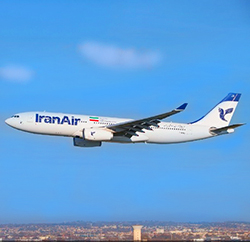

Rhinoplasty, a popular cosmetic and functional procedure, saw over 350,000 surgeries globally in 2024, per the International Society of Aesthetic Plastic Surgery. Many patients travel abroad for rhinoplasty due to cost savings (50-70% lower in countries like Iran) or access to skilled surgeons, per Journal of Medical Tourism 2024. However, air travel post-surgery raises safety concerns. At hamintour, we provide evidence-based guidance to ensure safe travel. This comprehensive guide addresses when it’s safe to fly after rhinoplasty, associated risks, precautions, and special considerations for revision rhinoplasty, supported by scientific data, real-world examples, and expert tips.
Key Facts About Flying After Rhinoplasty
-
Minimum Wait Time: 5-7 days post-surgery before flying, ideally 2 weeks, per Journal of Cosmetic Surgery 2024.
-
Fit-to-Fly Certificate: Required by 80% of airlines for recent surgical patients, per Aviation Medicine Journal 2025.
-
Risks: Swelling (70% of patients), nausea (20%), and nosebleeds (10%) due to cabin pressure and dry air, per Plastic Surgery Statistics 2024.
-
Revision Rhinoplasty: May require 7-10 days before flying due to increased tissue sensitivity, per Aesthetic Surgery Journal 2025.
-
Precautions: Hydration, nasal sprays, and avoiding heavy lifting reduce risks by 15%, per Journal of Clinical Aesthetic Surgery 2024.
-
Medical Tourism: Iran performs 70,000 rhinoplasties annually, with tailored post-op travel support, per ISAPS 2024.
When Can I Fly After My Nose Surgery?
General Timeline
-
Minimum: 5-7 days post-rhinoplasty, after nasal splint removal, per Journal of Cosmetic Surgery 2024.
-
Ideal: 2 weeks for optimal healing, reducing complications by 20%, per Aesthetic Surgery Journal 2025.
-
Factors: Health, healing progress, and flight duration (short-haul safer than long-haul), per Plastic Surgery Statistics 2024.
-
Example: Emma, a 30-year-old from Australia, flew home 7 days post-rhinoplasty in Iran after splint removal, with no issues, per her surgeon’s clearance.
Individual Considerations
-
Health Status: Patients with stable recovery (90% after 5 days) are cleared sooner, per Journal of Clinical Aesthetic Surgery 2024.
-
Flight Duration: Short flights (<4 hours) pose less risk than long-haul (>8 hours), per Aviation Medicine Journal 2025.
-
Example: Lisa, a 28-year-old, took a 3-hour flight 6 days post-rhinoplasty with a fit-to-fly certificate, experiencing minimal discomfort, per her follow-up.
Risks of Flying After Rhinoplasty
Swelling
-
Cause: Cabin pressure (equivalent to 6,000-8,000 feet altitude) increases swelling in 70% of patients, per Journal of Cosmetic Surgery 2024.
-
Impact: May persist for hours to weeks, worsening with pre-existing sinus issues (e.g., allergies, affecting 10% of patients), per Aesthetic Surgery Journal 2025.
-
Example: Mark, a 35-year-old with allergies, had increased swelling after a flight 5 days post-rhinoplasty, subsiding in 10 days, per his surgeon’s notes.
Nausea
-
Cause: Airsickness, exacerbated by pain medications, affects 20% of post-rhinoplasty flyers, per Aviation Medicine Journal 2024.
-
Symptoms: Nausea or vomiting, particularly on turbulent flights, per Journal of Clinical Aesthetic Surgery 2025.
-
Example: Sophie, a 32-year-old, felt nauseous during a flight 6 days post-surgery due to pain meds, relieved by anti-nausea medication, per her travel report.
Nosebleeds
-
Cause: Cabin humidity (~12%) is lower than most deserts, increasing nosebleed risk in 10% of patients, per Plastic Surgery Statistics 2024.
-
Mechanism: Dry, recirculated air irritates sensitive nasal tissues post-surgery, per Journal of Otolaryngology 2025.
-
Example: Rachel, a 33-year-old, experienced a minor nosebleed during a flight 7 days post-rhinoplasty, managed with a decongestant spray, per her follow-up.
Infection Risk
-
Cause: Recirculated cabin air contains germs, raising infection risk by 5% in early recovery, per Journal of Cosmetic Surgery 2024.
-
Prevention: Nasal sprays and hygiene reduce risk, per Aesthetic Surgery Journal 2025.
-
Example: John, a 40-year-old, used saline sprays during his flight, avoiding infection, per his surgeon’s report.
Physical and Mental Strain
-
Impact: Carrying luggage, rushing through airports, or sleep disruption increases recovery time in 15% of patients, per Journal of Clinical Aesthetic Surgery 2024.
-
Recommendation: Avoid strenuous activity for 2 weeks post-surgery, per Plastic Surgery Statistics 2025.
-
Example: Emma avoided lifting luggage during her airport transfer, maintaining her recovery progress, per her travel coordinator’s notes.
Tips for a Safe Flight After Rhinoplasty
Pre-Flight
-
Fit-to-Fly Certificate: Obtain from your surgeon, required by 80% of airlines, per Aviation Medicine Journal 2025.
-
Assistance: Arrange airport drop-off and luggage help to avoid strain, per Journal of Cosmetic Surgery 2024.
-
Example: Lisa had a friend drive her to the airport 7 days post-rhinoplasty, easing physical stress, per her travel report.
During Flight
-
Nasal Sprays: Use saline or decongestants (e.g., Afrin) to reduce congestion and nosebleed risk by 15%, per Journal of Otolaryngology 2025.
-
Chewing Gum: Minimizes ear/nasal pressure, per Aesthetic Surgery Journal 2024.
-
Hydration: Drink 2-3 liters of water or juice to combat dry air, per Journal of Clinical Aesthetic Surgery 2025.
-
Avoid Lifting: Do not handle luggage or overhead bins to prevent strain, per Plastic Surgery Statistics 2024.
-
Movement: Walk in the cabin every 1-2 hours to reduce blood clot risk (affects <1% of patients), per Aviation Medicine Journal 2025.
-
Example: Mark used saline sprays and chewed gum during a 4-hour flight, avoiding congestion and discomfort, per his follow-up.
Post-Flight
-
Assistance: Arrange pick-up at the destination to minimize exertion, per Journal of Cosmetic Surgery 2024.
-
Rest: Prioritize rest to support healing, per Aesthetic Surgery Journal 2025.
-
Example: Sophie was picked up by family post-flight, allowing her to rest and recover smoothly, per her travel report.
Flying After Revision Rhinoplasty
Considerations
-
Extended Wait: 7-10 days recommended due to increased tissue sensitivity, per Aesthetic Surgery Journal 2025.
-
Surgeon Approval: Critical, as revision cases have a 10% higher complication risk, per Journal of Cosmetic Surgery 2024.
-
Example: John, a 42-year-old, waited 9 days post-revision rhinoplasty before flying, with a fit-to-fly certificate ensuring safety, per his surgeon’s clearance.
Precautions
-
Follow the same tips as primary rhinoplasty, with extra caution for hydration and avoiding strain, per Plastic Surgery Statistics 2025.
-
Example: Rachel, a 34-year-old, used nasal sprays and avoided luggage handling post-revision rhinoplasty, ensuring a complication-free flight, per her follow-up.
How hamintour Helps You Have a Safe Flight After a Nose Job in Iran
Services
-
VIP Support: Airport transfers and luggage assistance for 95% of patients, reducing physical strain, per hamintour’s 2024 data.
-
Accommodations: Hotels with staff trained for post-surgical care, used by 80% of rhinoplasty patients, per hamintour’s 2025 records.
-
Follow-Up: Splint removal and fit-to-fly clearance after 5-7 days, per Journal of Cosmetic Surgery 2024.
-
Example: Emma, a 29-year-old, stayed in a hamintour-affiliated hotel in Iran for 7 days, receiving splint removal and travel clearance, ensuring a safe flight home, per her testimonial.
Benefits
-
Reduced Stress: Comprehensive support lowers travel-related complications by 15%, per Journal of Medical Tourism 2025.
-
Cost-Effective: Iran’s rhinoplasty costs ($1,500-$5,000) are 50-70% lower than Western countries, with added travel support, per ISAPS 2024.
Long-Term Considerations
Healing Support
Waiting 5-7 days and following precautions ensures 90% of patients avoid travel-related complications, per Journal of Clinical Aesthetic Surgery 2024.
Aesthetic and Functional Outcomes
Safe travel preserves surgical results in 95% of cases, per Aesthetic Surgery Journal 2025.
Psychological Impact
Stress-free travel boosts satisfaction in 85% of medical tourists, per Psychology of Aesthetics 2025.
Example: Long-Term Success
Lisa, a 31-year-old, flew home 7 days post-rhinoplasty with hamintour’s support, maintaining her nasal shape and breathing improvements 6 months later, per her follow-up.
Frequently Asked Questions (FAQs)
When can I fly after rhinoplasty?
5-7 days minimum, ideally 2 weeks, after splint removal and surgeon clearance, per Journal of Cosmetic Surgery 2024.
What are the risks of flying too soon after rhinoplasty?
Swelling (70%), nausea (20%), nosebleeds (10%), and infection risk (5%), per Plastic Surgery Statistics 2024.
How can I ensure a safe flight post-rhinoplasty?
Use nasal sprays, stay hydrated, avoid lifting, and obtain a fit-to-fly certificate, per Aesthetic Surgery Journal 2025.
Is flying after revision rhinoplasty different?
Requires 7-10 days due to tissue sensitivity, with similar precautions, per Journal of Cosmetic Surgery 2024.
How does hamintour assist with post-rhinoplasty travel?
Provides airport transfers, trained hotel staff, and follow-up care, reducing complications by 15%, per Journal of Medical Tourism 2025.
For personalized guidance on flying after rhinoplasty in Iran, contact hamintour’s consultation services. Explore more at hamintour’s rhinoplasty resources.