
Introduction to Bariatric Surgery Options
Choosing to undergo bariatric surgery is a significant step toward achieving sustainable weight loss and improving overall health. At hamintour, we understand that deciding between gastric bypass and gastric sleeve (sleeve gastrectomy) can be challenging, as both are highly effective but differ in approach, outcomes, and considerations. This SEO-optimized guide provides a detailed comparison of gastric bypass and gastric sleeve, helping you make an informed decision tailored to your health goals and lifestyle, with insights from hamintour’s expert network of bariatric specialists.
Quick Facts: Gastric Bypass vs. Gastric Sleeve
|
Aspect |
Gastric Bypass |
Gastric Sleeve |
|---|---|---|
|
Stomach Size |
Creates an egg-sized pouch |
Creates a banana-shaped stomach (15% of original size) |
|
Weight Loss |
~80% of excess weight in 18 months |
~70% of excess weight in 18 months |
|
Reversibility |
Not reversible |
Not reversible |
|
Nutritional Impact |
Higher risk of nutrient deficiencies |
Lower risk of nutrient deficiencies |
|
Recovery Time |
4–6 weeks |
4–6 weeks |
|
Candidacy |
BMI >40 or 35–39.9 with health issues |
BMI >35 or 30–35 with health issues |
|
Complications |
Higher risk (e.g., dumping syndrome) |
Lower risk, less invasive |
|
Weight Loss Speed |
Slower but more significant |
Faster but slightly less overall loss |
|
Cost |
More expensive (~25% higher) |
Less expensive |
|
Procedure Time |
2–3 hours |
1–2 hours |
Hamintour Insight: Both procedures are effective for significant weight loss, but your choice depends on your BMI, health conditions, and willingness to manage long-term nutritional needs.
What Are Gastric Bypass and Gastric Sleeve?
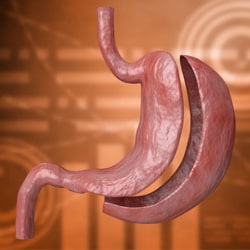
Gastric Sleeve (Sleeve Gastrectomy)
-
Definition: A surgical procedure that removes approximately 85% of the stomach, leaving a tube-like, banana-shaped pouch.
-
How It Works:
-
Reduces stomach capacity, limiting food intake and promoting early fullness.
-
Removes the portion of the stomach producing ghrelin (hunger hormone), decreasing appetite.
-
-
Weight Loss: Patients typically lose ~70% of excess weight within 18 months.
-
Key Benefit: Simpler, less invasive procedure with fewer nutritional complications.
Gastric Bypass (Roux-en-Y Gastric Bypass)
-
Definition: A two-part surgery that creates a small stomach pouch and reroutes the small intestine to bypass part of the digestive tract.
-
How It Works:
-
Divides the stomach into a small upper pouch (egg-sized) and a larger lower section.
-
Connects the small intestine to the pouch, bypassing part of the stomach and intestine.
-
Limits food intake and reduces calorie and nutrient absorption.
-
-
Weight Loss: Patients typically lose ~80% of excess weight within 18 months.
-
Key Benefit: More significant and longer-lasting weight loss, especially for higher BMIs.
Hamintour Note: Gastric sleeve is purely restrictive, while gastric bypass combines restriction with malabsorption, affecting how your body processes nutrients.
Key Differences Between Gastric Bypass and Gastric Sleeve
Procedure
-
Gastric Sleeve:
-
Involves removing a large portion of the stomach, leaving a smaller, sleeve-shaped stomach.
-
Does not alter the digestive tract, preserving normal nutrient absorption.
-
Performed under general anesthesia, typically in 1–2 hours.
-
-
Gastric Bypass:
-
Creates a small stomach pouch and reroutes the small intestine, bypassing parts of the stomach and digestive system.
-
Combines restriction (smaller stomach) with malabsorption (less nutrient absorption).
-
More complex, performed under general anesthesia in 2–3 hours.
-
Recovery Process
-
Both Procedures:
-
Hospital stay: 1–2 days.
-
Full recovery: 4–6 weeks to resume normal activities.
-
Patients transition from liquid to soft foods over weeks, guided by a dietitian.
-
-
Differences:
-
Gastric sleeve patients may experience less dietary restriction long-term due to preserved digestion.
-
Gastric bypass patients require lifelong vitamin and mineral supplements to address malabsorption.
-
Candidacy
-
Gastric Sleeve:
-
Suitable for BMI >35 or BMI 30–35 with obesity-related conditions (e.g., type 2 diabetes, sleep apnea).
-
Ideal for those seeking a simpler procedure with fewer long-term nutritional demands.
-
-
Gastric Bypass:
-
Preferred for BMI >40 or 35–39.9 with severe health issues.
-
Better for patients with significant acid reflux or those needing more substantial weight loss.
-
-
Hamintour Guidance: Consult your surgeon to assess your BMI, health conditions, and lifestyle to determine the best fit.
Side Effects and Safety
-
Gastric Bypass:
-
Common Side Effects:
-
Dumping Syndrome: Rapid food movement into the small intestine, causing nausea, vomiting, or cramps.
-
Nutritional Deficiencies: Reduced absorption of vitamins (e.g., B12, iron) and minerals, potentially leading to anemia or osteoporosis.
-
Constipation: Due to reduced fiber intake or dietary changes.
-
Gallstones: Rapid weight loss increases risk.
-
-
Risks: Higher complication rate due to surgical complexity, including staple line leaks or infections.
-
-
Gastric Sleeve:
-
Common Side Effects:
-
Vitamin Deficiencies: Less severe than bypass but possible due to reduced food intake.
-
Staple Line Leaks: Rare but possible if healing is poor.
-
Gallstones: Similar risk due to rapid weight loss.
-
-
Risks: Lower complication rate, as it’s less invasive and preserves normal digestion.
-
-
Shared Risks: Infection, blood clots, bleeding, or anesthesia reactions.
-
Hamintour Safety Tip: Choose a board-certified surgeon and follow post-op care to minimize risks.
Results
-
Gastric Bypass:
-
Achieves ~80% excess weight loss within 18 months.
-
Offers more significant and longer-lasting results, with studies showing sustained weight loss up to 20 years.
-
Effective for resolving obesity-related conditions like type 2 diabetes.
-
-
Gastric Sleeve:
-
Achieves ~70% excess weight loss within 18 months.
-
Faster initial weight loss but slightly less overall compared to bypass.
-
Still highly effective for health improvements and weight management.
-
-
Hamintour Insight: Gastric bypass is the gold standard for long-term results, but gastric sleeve’s simplicity and safety make it increasingly popular.
Cost
-
Gastric Bypass: ~25% more expensive due to surgical complexity (e.g., £8,000–£15,000 in the UK).
-
Gastric Sleeve: More affordable (e.g., £8,000–£10,000 in the UK).
-
Hamintour Advantage: Our partnered clinics in Iran offer both procedures at lower costs (£2,000–£5,000), maintaining high standards of care. Contact hamintour for a free quote.
Popularity
-
Gastric Bypass: Considered the gold standard by the American Society for Metabolic and Bariatric Surgery due to extensive research and significant weight loss outcomes.
-
Gastric Sleeve: Rapidly gaining popularity for its simplicity, lower cost, and reduced risk profile.
-
Trend: Sleeve gastrectomy now rivals bypass in frequency due to faster recovery and fewer complications.
Post-Operative Diet: Gastric Bypass vs. Gastric Sleeve
A strict post-op diet is critical for both procedures to prevent complications and maximize weight loss. Key guidelines include:
-
Week 1–2: Liquid diet (e.g., broth, protein shakes, pulp-free juices).
-
Week 3–4: Pureed foods (e.g., mashed vegetables, yogurt).
-
Week 5–6: Soft foods (e.g., scrambled eggs, soft fish).
-
Long-Term: Small, nutrient-dense meals with high protein and low sugar/fat.
Differences
-
Gastric Bypass:
-
Requires lifelong vitamin and mineral supplements (e.g., B12, iron, calcium) due to malabsorption.
-
Higher risk of dumping syndrome, necessitating strict avoidance of sugary or high-fat foods.
-
-
Gastric Sleeve:
-
May require supplements if food intake is insufficient, but less mandatory than bypass.
-
Fewer dietary restrictions since digestion remains intact.
-
-
Hamintour Tip: Work with a dietitian to create a personalized plan, especially for gastric bypass patients to prevent deficiencies.
Which Is Better: Gastric Sleeve or Gastric Bypass?
The “better” procedure depends on your individual needs:
-
Choose Gastric Sleeve If:
-
You have a BMI of 30–40 and prefer a simpler, less invasive procedure.
-
You want to avoid lifelong supplements or have concerns about malabsorption.
-
You prioritize faster recovery and lower complication risks.
-
-
Choose Gastric Bypass If:
-
You have a BMI >40 or severe obesity-related conditions (e.g., diabetes, acid reflux).
-
You seek maximum weight loss and long-term results.
-
You’re willing to manage nutritional supplements and stricter dietary guidelines.
-
Hamintour Recommendation: Consult a bariatric surgeon to evaluate your health, BMI, and goals. Our consultants at hamintour offer free guidance to help you choose the best procedure. Contact us today!
Frequently Asked Questions (FAQs)
1. Are gastric bypass and gastric sleeve reversible?
No, both procedures are permanent, as they involve removing or altering parts of the stomach.
2. Which procedure leads to faster weight loss?
Gastric sleeve typically results in faster initial weight loss, but gastric bypass achieves slightly more overall weight loss long-term.
3. Will I need supplements after surgery?
Gastric bypass patients require lifelong vitamin and mineral supplements. Gastric sleeve patients may need supplements if dietary intake is inadequate.
4. What is dumping syndrome, and is it common?
Dumping syndrome, common in gastric bypass, occurs when food moves too quickly into the small intestine, causing nausea or cramps. It’s rare in gastric sleeve patients.
5. How do I choose between gastric bypass and gastric sleeve?
Consider your BMI, health conditions, and willingness to manage supplements. Consult a bariatric surgeon for a personalized recommendation.
Disclaimer
This article is intended for general informational purposes only and is not a substitute for professional medical advice. Always consult a qualified bariatric surgeon for diagnosis and treatment of obesity-related concerns or before undergoing surgery.
This content has been reviewed by medical experts at hamintour. For more details, visit our physician review page.