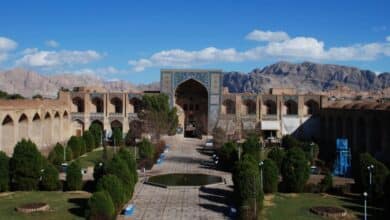

The Ganjali Khan Complex (مجموعه گنجعلی خان) in the heart of Kerman, Iran, is one of the most magnificent Safavid-era masterpieces in the country. Built in the early 17th century by Ganjali Khan, the powerful governor of Kerman under Shah Abbas I, this vast complex is much more than just a caravanserai or bazaar — it’s a complete urban quarter that once served as the social, economic, and cultural heartbeat of the city.
History of Ganjali Khan Complex 🏛️
Ganjali Khan ruled Kerman from 1596 to 1621 and turned a desert-edge Kerman into a flourishing trade hub along the Silk Road. Between 1598 and 1621, he ordered the construction of this grand complex to showcase Safavid architectural glory and to provide every facility a traveler or citizen might need.
The entire complex covers approximately 11,000 square meters and includes:
- Ganjali Khan Mosque Ganjali Khan Bazaar Ganjali Khan Caravanserai (now Museum of Decorative Arts) Ganjali Khan Bathhouse (now Anthropology Museum) Ganjali Khan Mint House (now Coin Museum) Ganjali Khan Square (Meydan-e Ganjali Khan) Water reservoir (Abanbar) and traditional gymnasium (Zurkhaneh traces)
Architecture & Design That Takes Your Breath Away 🕌
The complex is a textbook example of Safavid architecture at its peak:
- Perfect symmetry and proportion
- Stunning tilework in seven colors (Haft-Rangi)
- Intricate muqarnas (honeycomb vaulting)
- Magnificent iwans and domed chambers
- Masterful use of light through colored glass
UNESCO experts and architects often compare its harmony with Isfahan’s Naqsh-e Jahan Square, but on a more intimate and human scale.
Must-See Highlights Inside the Complex ⭐
1. Ganjali Khan Square (میدان گنجعلی خان)
The large rectangular square (100 m × 50 m) is surrounded by the bazaar on three sides. In the past it hosted polo games, ceremonies, and public announcements. Today it’s a peaceful spot with fountains and rose gardens.
2. Ganjali Khan Bazaar (بازار گنجعلی خان)
One of Iran’s longest and most beautiful covered bazaars (over 800 meters in parts). You’ll find: Handmade copperware Famous Kerman pistachios & sweets Traditional pateh embroidery Exquisite handmade carpets
3. Ganjali Khan Bathhouse – A Living Museum 🛁
Converted into an exquisite anthropology museum in 1971, this hammam is considered one of the most beautiful traditional bathhouses in Iran. Life-size wax figures show every stage of bathing ritual in the Safavid period — from undressing to massage and tea drinking. The paintings, stucco work, and marble basins are unbelievably well-preserved.
4. Ganjali Khan Caravanserai & Decorative Arts Museum
Now home to priceless Safavid and Qajar decorative pieces: miniature paintings, calligraphy, textiles, and jewelry. The central courtyard with its turquoise pool is perfect for photos.
5. Ganjali Khan Mint House (ضربخانه)
The only surviving Safavid mint in Iran. Ancient coin presses and hundreds of historical coins from Achaemenid to modern era are displayed.
6. Ganjali Khan Mosque & Madrasa
Small but incredibly ornate mosque with stunning tilework depicting paradise gardens and cypress trees.
Practical Information for Visitors 2025 🎫
| Item | Details | Price (2025) |
|---|---|---|
| Opening Hours | 9:00 AM – 8:00 PM (summer) 9:00 AM – 6:00 PM (winter) | — |
| Bathhouse Museum Ticket | Full access | $4 |
| Coin Museum Ticket | $3 | |
| Decorative Arts Museum | $4 | |
| Combined Ticket (all 3) | Best value | $9 |
| Guided English Tour (2h) | Highly recommended | $25–35 per group |
| Free Entry | Iranian national holidays | Free |
Children under 12 and disabled visitors enter free.
Best Time to Visit ☀️
Spring (March–May) and autumn (September–November) — pleasant weather and fewer crowds. Avoid summer afternoons (can reach 42°C / 108°F).
How to Get There ✈️
- From Tehran: 1.5-hour direct flight to Kerman Airport (KER) → 15 min taxi to city center
- By night train: scenic 12-hour journey from Tehran
- By car: 10 hours from Shiraz, 12 hours from Isfahan
The complex is located right in the middle of Kerman historic center — impossible to miss!
Photography Tips 📸
Best light in the bathhouse: 10 AM – 1 PM Best tile colors in the bazaar: late afternoon golden hour Drone photography allowed only with prior permission
Why Ganjali Khan Complex Deserves a Spot on Your Iran Itinerary ❤️
While everyone rushes to Isfahan and Shiraz, Kerman’s Ganjali Khan offers an authentic, less-touristy experience with the same level (or higher) of architectural beauty. You can spend an entire day wandering from museum to museum, sipping tea in traditional teahouses, and shopping for unique souvenirs — all within walking distance.
This hidden gem proves that Iran’s treasures go far beyond the famous postcard cities. Come discover the soul of Persian urban design in Kerman — you won’t regret it! 🌟
Ready to visit? Pin this guide and start planning your trip to the magnificent Ganjali Khan Complex today!
Frequently Asked Questions About the Ganjali Khan Complex
- Where is the Ganjali Khan Complex located? It is situated in Kerman, Iran, near Shohada Square, between Imam and Shariati Streets, at the entrance to the Kerman Bazaar.
- What are the main sections of the Ganjali Khan Complex? The complex includes a bazaar, mosque, caravanserai, bathhouse, square, water reservoir, and mint, each with unique historical significance.
- Who built the Ganjali Khan Complex? It was constructed under the patronage of Ganjali Khan, Kerman’s Safavid governor, between 1596 and 1612.
- What is the most notable feature of the Ganjali Khan Bathhouse? Its intricate tilework, muqarnas, and frescoes depicting Persian myths make it a standout, now serving as a Museum of Anthropology.
- When is the best time to visit the complex? Spring, particularly during Nowruz, offers the best weather for exploring the complex comfortably.
- How long does it take to explore the Ganjali Khan Complex? Plan for about two hours to fully experience its various sections with hamintour.
- What is the significance of the Ganjali Khan Square? It exemplifies Safavid urban planning, with its symmetrical design, central pond, and ornate tilework.
- Can I visit the mint in the complex? Yes, the mint is now a coin museum, showcasing ancient currencies from various eras.
- How do I reach the Ganjali Khan Complex? It’s accessible by bus or car from Shariati Street, with hamintour offering tailored travel plans.
- Are there accommodations near the complex? Yes, hamintour recommends hotels in Kerman’s city center for a convenient stay.
With hamintour, your visit to the Ganjali Khan Complex becomes an unforgettable exploration of Iran’s vibrant history and architectural grandeur.