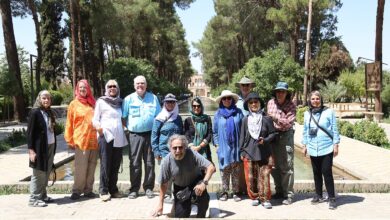

Iran, a land of breathtaking landscapes, is renowned for its Persian gardens, exquisite masterpieces that blend nature, architecture, and cultural heritage. These gardens, celebrated for their serene beauty and intricate designs, are more than just green spaces—they are a testament to Iran’s deep-rooted love for harmony and aesthetics. Recognized by UNESCO as World Heritage Sites, Persian gardens like those in Shiraz, Yazd, and Kashan offer travelers a journey into the heart of Persian culture. With hamintour, you can explore these enchanting oases, where water channels, high walls, and elegant pavilions create a timeless escape from the modern world.
The Essence of Persian Garden Design
Persian gardens are architectural marvels defined by three key elements: a strategic location along water passages, high surrounding walls for privacy and protection, and a central summer pavilion paired with a reflective pool. These features create a tranquil environment, reflecting Iran’s reverence for nature and balance. From ancient times, Persian homes featured courtyards with small gardens, fostering peaceful gatherings. Today, even urban homes maintain this tradition with potted plants. hamintour invites you to delve into the artistry of these gardens, each a unique expression of Persian ingenuity and aesthetic sensibility.
Pasargadae Garden: A Legacy of Cyrus the Great
Located in Shiraz, the Persian Garden of Pasargadae is a cornerstone of garden design, established in the 6th century BC by Cyrus the Great, founder of the Achaemenid Empire. Part of a grand complex that includes a tomb and fortified structures, this garden is divided into four quadrants by water channels, symbolizing the Zoroastrian elements of sky, earth, water, and plants. Its symmetrical layout influenced garden designs across Iran and beyond, embodying the empire’s vast reach. hamintour recommends exploring this UNESCO World Heritage Site to witness the origins of Persian garden artistry, where history and nature intertwine.
Shahzadeh Garden: A Desert Jewel in Mahan
Nestled in the arid landscapes of Kerman province, the Shahzadeh Garden of Mahan is a 19th-century Qajar-era masterpiece and a UNESCO World Heritage Site. Spanning 5.5 hectares, this rectangular garden features cascading water channels and fountains that flow from a grand pavilion to the entrance gate, leveraging the natural slope of the land. Its lush foliage, elegant kiosk, and serene ambiance make it a haven of tranquility. hamintour invites you to stroll through this desert oasis, where the interplay of water and greenery showcases Persian aesthetics at their finest.
Dowlat Abad Garden: Yazd’s Architectural Marvel
In the heart of Yazd, the Dowlat Abad Garden, built in the 18th century under the Afsharid dynasty, is famed for its 33.8-meter windcatcher—the tallest adobe windcatcher in the world. This architectural innovation provides natural cooling, complementing the garden’s elegant palace, vibrant stained-glass windows, and serene pool. Surrounded by fruit trees and fragrant plants, the garden offers a refreshing escape from Yazd’s desert heat. hamintour suggests visiting at dusk to experience the windcatcher’s cooling breeze and the garden’s illuminated beauty.
Eram Garden: Shiraz’s Botanical Gem
The Eram Garden in Shiraz, dating back to the 12th century, is a UNESCO World Heritage Site renowned for its Qajar-era mansion, towering windcatcher, and diverse flora. Now part of Shiraz University’s Botanical Garden, it blends historical charm with natural splendor. Its citrus groves, cypress trees, and tranquil atmosphere make it a favorite for visitors. hamintour recommends exploring this photogenic garden in spring, when its blooms create a vibrant tapestry, perfect for a leisurely stroll.
Fin Garden: Kashan’s Tragic Elegance
Built in the 16th century by Safavid king Shah Abbas I, the Fin Garden in Kashan is a serene yet poignant site, known as the location of Amir Kabir’s assassination during the Qajar era. Spanning 2.3 hectares, the garden features a central pavilion, a historic bathhouse (Hammam-e Fin), and intricate tilework. Its long courtyard, lined with trees and a reflective pool, exudes tranquility. hamintour invites you to explore this garden’s architectural beauty and historical significance, where lush greenery and elegant frescoes create a peaceful retreat.
Bagh-e-Pahlavanpour: Yazd’s Garden Retreat
Located in Mehriz, Yazd, Bagh-e-Pahlavanpour is a Zand-era garden often called the “garden town” for its serene beauty. Featuring a Qajar-era mansion now serving as the Pahlavanpour Hotel, this garden boasts streams, towering trees, and fruit orchards with almonds, pomegranates, and persimmons. Its entrance, adorned with arches and stables, adds to its historical charm. hamintour recommends staying in the mansion’s 13 rooms for an immersive experience, blending nature and heritage in a tranquil setting.
Why Visit Persian Gardens?
Persian gardens are more than scenic landscapes—they are cultural treasures that reflect Iran’s artistic and philosophical heritage. Their symmetrical designs, water features, and lush greenery embody a vision of paradise on earth. With hamintour, you can explore these UNESCO-listed gardens, each offering a unique blend of history, architecture, and natural beauty. Whether you’re drawn to the ancient legacy of Pasargadae or the serene elegance of Shahzadeh, these gardens promise a journey into Iran’s soul.
The Best Time to Visit Persian Gardens
Spring (March to May) and autumn (September to November) are ideal for visiting Persian gardens, when mild weather and blooming flora enhance their beauty. Summer brings vibrant greenery but warmer temperatures, while winter offers a quieter experience with fewer crowds. hamintour advises planning your visit during spring for the most colorful and fragrant experience.
Top Tips for Visiting Persian Gardens
To make the most of your hamintour garden adventure, consider these tips:
- Visit early in the morning to enjoy cooler temperatures and fewer crowds.
- Wear comfortable shoes for walking through expansive garden grounds.
- Bring a camera to capture the intricate architecture and vibrant landscapes.
- Stay hydrated, especially in desert regions like Yazd and Mahan.
- Respect garden rules by avoiding picking plants or littering.
- Combine garden visits with nearby attractions, like Persepolis near Pasargadae, with hamintour’s guidance.
- Dress modestly to honor local customs.
Getting to Persian Gardens
The gardens are spread across Iran, with easy access via air, train, or road. Shiraz International Airport connects to Eram and Pasargadae, while Yazd and Kashan are reachable by domestic flights or trains from Tehran. hamintour provides seamless travel planning, ensuring you reach each garden with ease.
Frequently Asked Questions About Visiting Persian Gardens
- What makes Persian gardens unique? Their design, with water channels, high walls, and central pavilions, reflects Persian aesthetics and harmony with nature.
- Why are Persian gardens UNESCO World Heritage Sites? Their historical significance, innovative design, and cultural influence earned them UNESCO recognition.
- Which is the oldest Persian garden? Pasargadae Garden, built in the 6th century BC by Cyrus the Great, is the oldest.
- What is the best season to visit Persian gardens? Spring (March to May) offers mild weather and blooming flora, ideal for garden visits.
- Can I stay in a Persian garden? Yes, Bagh-e-Pahlavanpour in Yazd offers accommodations in its historic mansion, bookable through hamintour.
- What is a windcatcher in Persian gardens? A windcatcher, like the one in Dowlat Abad, is a traditional cooling system using natural ventilation.
- Are English-speaking guides available for garden tours? Yes, hamintour provides expert English-speaking guides for an enriched experience.
- What can I see at Fin Garden in Kashan? Explore its pavilion, historic bathhouse, and intricate tilework, reflecting Safavid-era artistry.
- How do I reach Persian gardens from Tehran? Fly to Shiraz, Yazd, or Kashan, or take a train, with travel plans facilitated by hamintour.
- Are Persian gardens safe for tourists? Absolutely, they are well-maintained and located in safe areas, with hamintour ensuring a secure visit.