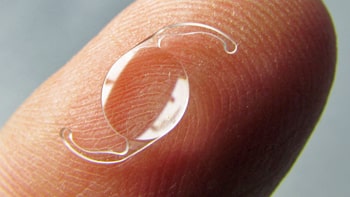

Regain clear vision with Intraocular Lens (IOL) surgery in Iran, an effective procedure for those ineligible for LASIK or PRK, correcting refractive errors like myopia, hyperopia, astigmatism, presbyopia, or cataracts. Iran is a trusted destination for eye care, offering top-rated ophthalmologists, advanced clinics, and affordable prices. With hamintour’s all-inclusive medical tourism services, your journey—from consultation to recovery—is seamless, enriched by Iran’s cultural treasures. Discover why Iran is ideal for IOL surgery and how hamintour ensures a stress-free experience.
Why Choose Iran for IOL Surgery?
Iran is a premier destination for eye surgery due to its unique advantages:
-
World-Class Ophthalmologists
Iranian eye surgeons, such as Dr. Ali Asghar Khodadoust, known for the “Khodadoust Line” in corneal transplants, and Dr. Hamid Ahmadieh, a retina surgery expert, are globally recognized. Their extensive training and dedication contribute to Iran’s >90% success rate in eye surgeries. -
Advanced Eye Clinics
Clinics in Tehran, Mashhad, Shiraz, Tabriz, and Isfahan are equipped with cutting-edge technology for precise IOL implantation, adhering to strict international safety standards. -
Affordable Pricing
IOL surgery in Iran costs $800-$1,500 per eye, including all medical fees, compared to $3,000-$5,000 in the USA, £2,500-$4,500 ($3,250-$5,850) in the UK, or $2,000-$3,500 in Turkey. This offers 60-75% savings. -
High Volume of Surgeries
Iran performs thousands of successful eye surgeries annually, earning media recognition for its expertise, ensuring consistent, high-quality outcomes. -
Cultural and Touristic Appeal
Recover while exploring Iran’s rich heritage, from Persepolis to vibrant bazaars. hamintour curates recovery-friendly cultural tours, blending healing with discovery.
hamintour’s Comprehensive Support
hamintour simplifies your IOL surgery journey with all-inclusive services:
-
Medical Services: Pre-surgery consultations, eye measurements, IOL surgery (RLE or PIOL), and follow-ups.
-
Visa Assistance: Obtain a treatment visa (T-Visa) authorization code (visa fees separate).
-
Transportation: Airport pick-up, private transfers between hotel and clinic, and airport drop-off.
-
Accommodations: Stay in 3- to 5-star hotels near clinics, with details provided in advance.
-
Additional Support: 24/7 on-call assistance, interpreter services in English or your native language, SIM card, and internet access.
-
Tourism Options: Guided tours to cultural sites, tailored to your recovery needs.
Cancellation Policy: A non-refundable deposit secures your booking. Post-arrival cancellations deduct 15% before consultation, 40% after consultation but before surgery, and no refund after surgery begins. No refunds apply for undisclosed medical conditions.
Understanding IOL Surgery
Intraocular Lens (IOL) surgery involves implanting or replacing the eye’s natural lens with an artificial lens to correct vision issues or treat cataracts. It’s ideal for patients unsuitable for LASIK or PRK, offering long-lasting results. The two main types are:
-
Refractive Lens Exchange (RLE): Replaces the natural lens with an IOL to correct myopia, hyperopia, astigmatism, presbyopia, or cataracts. It eliminates future cataract risk and is FDA-approved for presbyopia and high hyperopia.
-
Phakic Intraocular Lens Implantation (PIOL): Implants an IOL without removing the natural lens, correcting high myopia, hyperopia, or astigmatism. It’s reversible and suitable for younger patients but doesn’t treat presbyopia or cataracts.
Types of IOLs
-
Monofocal IOL: Corrects vision at one distance (near or far); may require glasses for other distances.
-
Multifocal IOL: Provides focus at multiple distances, reducing glasses dependency.
-
Accommodating IOL: Mimics the eye’s natural focusing ability for better range.
-
Toric IOL: Corrects astigmatism alongside other refractive errors.
-
Phakic IOLs (e.g., Visian ICL, Verisyse): Used in PIOL for high refractive errors without lens removal.
IOL Surgery vs. LASIK
-
Corrective Uses:
-
LASIK: Best for mild to moderate myopia, hyperopia, and astigmatism; not suitable for severe errors, cataracts, or presbyopia.
-
RLE: Treats high hyperopia, presbyopia, cataracts, and astigmatism; replaces the natural lens.
-
PIOL: Treats high myopia, hyperopia, and astigmatism; reversible but doesn’t address presbyopia or cataracts.
-
-
Procedure: LASIK reshapes the cornea; IOL surgeries involve lens implantation/replacement, making them more invasive.
-
Recovery: LASIK has a shorter recovery (1-2 weeks); IOL recovery takes 1-3 weeks.
-
Results: IOL results are often longer-lasting; RLE prevents cataracts.
The IOL Surgery Procedure
The procedure takes 20-30 minutes per eye in an outpatient clinic, with a 5-7 day stay in Iran recommended. If both eyes require surgery, the second eye is typically treated 1-2 weeks later. Steps include:
-
Consultation and Screening: The ophthalmologist evaluates your eyes (corneal thickness, pupil size, lens condition) and discusses goals, risks, and IOL type (e.g., monofocal, multifocal).
-
Preparation: Anesthetic drops numb the eye; a sedative may be offered. A lid speculum holds the eyelids open. For PIOL, a laser iridotomy may be performed 1-2 weeks prior to prevent pressure buildup.
-
Surgery:
-
RLE: The natural lens is removed using laser or ultrasound (phacoemulsification), and an IOL is implanted.
-
PIOL: An IOL is inserted between the cornea and iris or behind the iris, preserving the natural lens.
-
-
Post-Treatment: Antibiotic and anti-inflammatory drops are applied; a protective shield may be provided for sleep.
Who is a Candidate?
You’re a good candidate for IOL surgery if:
-
You’re over 18 (RLE typically for those over 45) with a stable prescription.
-
You have high myopia, hyperopia, astigmatism, presbyopia, or cataracts.
-
You’re not suitable for LASIK/PRK due to thin corneas, severe refractive errors, or other conditions.
-
You’re in good health, with no active eye infections, uncontrolled diabetes, or autoimmune diseases.
-
You’re not pregnant or breastfeeding.
-
You have realistic expectations about vision improvement.
Consult an ophthalmologist to determine whether RLE or PIOL is best for you.
Preparation for IOL Surgery
-
Choose a Specialist: Select a board-certified ophthalmologist with IOL expertise. hamintour connects you with vetted professionals.
-
Pre-Surgery Instructions:
-
Stop wearing contact lenses 1-2 weeks prior (soft lenses) or 3-4 weeks (hard lenses) to stabilize eye measurements.
-
Avoid medications that increase bleeding (e.g., aspirin) as advised by your doctor.
-
Fast for 12 hours before surgery (no food or drink).
-
Inform your doctor of medical conditions, allergies, or medications.
-
Arrange transportation, as you cannot drive post-surgery.
-
-
Screening: Undergo eye exams (e.g., corneal topography, lens evaluation) to confirm eligibility and select the appropriate IOL.
Recovery Timeline
IOL recovery is relatively quick with minimal discomfort:
-
Day 1-2: Immediate vision improvement; mild stinging or haziness possible. Use prescribed drops (antibiotic, anti-inflammatory).
-
Day 3-7: Vision continues to clear; resume light activities but avoid eye rubbing or heavy lifting.
-
Week 1-3: Full recovery for most; vision stabilizes with sharper focus.
-
Results Duration: Permanent for most, though age-related changes (e.g., presbyopia with PIOL) may require glasses later.
Aftercare Tips:
-
Use prescribed eye drops to prevent infection and reduce inflammation.
-
Wear a protective eye shield during sleep for 1 week.
-
Avoid rubbing eyes, swimming, or dusty environments for 2-4 weeks.
-
Avoid makeup or facial products near eyes for 2 weeks.
-
Wear sunglasses outdoors to protect against UV light.
-
Attend follow-up appointments (typically at 1 day, 1 week, and 1 month).
hamintour provides a detailed aftercare guide and virtual follow-ups to ensure optimal recovery.
Potential Risks and Side Effects
IOL surgery is safe, with complications in <2% of cases when performed by experts. Possible side effects include:
-
Common: Temporary blurriness, mild discomfort, or light sensitivity (1-7 days).
-
Rare (RLE): Retinal detachment, increased eye pressure, or infection; treatable with medications or additional surgery.
-
Rare (PIOL): Cloudy cornea, cataract formation, or lens dislocation; reversible with lens removal if needed.
-
Note: hamintour’s specialists use advanced techniques and sterile protocols to minimize risks.
Your Journey with hamintour
-
Consultation: Contact hamintour via their website, WhatsApp, phone, or social media for a free assessment, sharing your vision concerns and medical history.
-
Planning: Receive a tailored plan with transparent pricing ($800-$1,500 per eye) and ophthalmologist recommendations.
-
Travel and Visa: hamintour secures visa approvals and books 3- to 5-star hotels near clinics.
-
Arrival: A representative provides airport transfers and settles you into your hotel.
-
Surgery Day: Meet your ophthalmologist, undergo RLE or PIOL, and receive aftercare instructions in a modern clinic.
-
Recovery: Enjoy light activities and curated cultural tours during your stay, avoiding eye strain or rubbing.
-
Follow-Up: Get aftercare instructions and virtual check-ins post-trip for ongoing support.
Benefits of IOL Surgery in Iran
-
Cost Savings: Save 60-75% compared to global prices, with no compromise on quality.
-
Expert Care: Access world-renowned ophthalmologists with advanced IOL expertise.
-
Comprehensive Support: hamintour handles medical, travel, and tourism needs.
-
Cultural Experience: Recover while exploring Iran’s historical sites and vibrant culture.
Frequently Asked Questions
-
What is IOL surgery?
A procedure that implants or replaces the eye’s natural lens with an artificial lens to correct refractive errors or cataracts. -
Why choose Iran for IOL surgery?
Iran offers low costs ($800-$1,500 per eye), expert surgeons, modern clinics, and cultural attractions. -
How long does the procedure take?
20-30 minutes per eye, with no hospital stay required. -
What is the recovery period?
Most resume normal activities in 1-3 days; full recovery takes 1-3 weeks. -
What are the risks?
Temporary blurriness or rare complications like infection, minimized by hamintour’s advanced technology. -
What’s the difference between RLE and PIOL?
RLE replaces the natural lens, treating presbyopia and cataracts; PIOL adds a lens without removal, ideal for high myopia. -
Will I need glasses after IOL surgery?
Multifocal/accommodating IOLs reduce glasses dependency; monofocal IOLs may require glasses for near or far vision. -
How does hamintour support patients?
hamintour manages consultations, travel, surgery, and aftercare for a seamless experience. -
Can I explore Iran during recovery?
Yes, hamintour offers recovery-friendly tours to cultural sites, ensuring minimal eye strain. -
How do I start my journey?
Contact hamintour for a free consultation to plan your personalized IOL surgery experience.