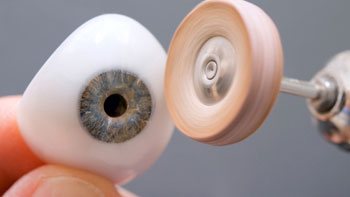

Facing the loss of an eye due to severe disease or injury can be daunting, but advanced prosthetic eye surgery offers a way to regain a natural appearance and confidence. Iran has established itself as a global leader in ophthalmology, providing state-of-the-art artificial eye procedures at remarkably affordable prices. With highly skilled specialists, modern clinics, and comprehensive support from Hamintour, patients can achieve a seamless experience that blends top-quality care with cultural exploration. This guide details everything you need to know about prosthetic eye surgery in Iran, from the procedure to recovery.
Why Choose Iran for Prosthetic Eye Surgery?
Iran’s ophthalmology sector is renowned for its innovation and expertise, particularly in complex procedures like prosthetic eye surgery. The country’s eye clinics, located in cities like Tehran, Isfahan, and Mashhad, are equipped with cutting-edge technology, including advanced imaging and precision surgical tools. Iranian ophthalmologists and ocularists, many trained at prestigious global institutions, deliver results that meet international standards, earning accolades such as awards from the American Academy of Ophthalmology.
Affordability is a major advantage. Prosthetic eye surgery in Iran costs between $1,000 and $2,000, compared to $3,000–$8,300 in the United States, excluding eye removal costs. This savings is driven by Iran’s efficient healthcare system and competitive pricing, without compromising quality. Hamintour enhances this value with all-inclusive packages covering surgery, accommodations, transfers, and personalized care, ensuring a hassle-free journey for international patients.
Beyond medical excellence, Iran offers a unique opportunity to combine treatment with tourism. Patients can recover while exploring ancient landmarks, bustling markets, or serene gardens, transforming a medical trip into a culturally enriching experience. Hamintour crafts recovery-friendly itineraries to ensure patients enjoy Iran’s hospitality while healing.
Understanding Prosthetic Eyes
A prosthetic eye, also known as an ocular prosthesis or artificial eye, is a custom-made device designed to restore facial appearance after eye removal surgery. While it cannot restore vision, it mimics the look and movement of a natural eye, allowing for normal eyelid function and a balanced appearance. The prosthesis consists of:
- Implant: A porous orb inserted into the eye socket during surgery to maintain its shape.
- Acrylic Disk: A glossy, painted hemisphere fitted 2–3 months later, designed to match the patient’s natural eye.
For less severe cases, a flush-fitting scleral shell can be used without eye removal, covering a disfigured or non-functioning eye to restore its appearance. These shells are non-invasive and require only 2–3 sessions to fit.
When is a Prosthetic Eye Needed?
Prosthetic eyes are recommended for conditions requiring eye removal or cosmetic restoration, including:
- Blind, Painful Eye: Severe pain from ocular diseases, unrelieved by other treatments, may necessitate eye removal.
- Ocular Trauma: Injuries like globe rupture or orbital fractures can lead to irreversible damage, requiring a prosthesis.
- Eye Cancer: Conditions like ocular melanoma may require surgical removal to prevent cancer spread.
- End-Stage Diseases: Advanced diabetes or glaucoma can cause vision loss and pain, making eye removal necessary.
Scleral shells are suitable for patients with disfigured but intact eyes, while full prostheses require prior eye removal surgery.
How is Prosthetic Eye Surgery Performed?
Prosthetic eye surgery involves two stages: eye removal and prosthesis fitting, typically requiring two visits to Iran.
First Visit: Eye Removal Surgery
This 1–2-hour outpatient procedure is performed under general or local anesthesia:
- Preparation: The patient is sedated, and the eye area is numbed.
- Removal: The surgeon uses one of two techniques:
- Evisceration: Removes internal eye contents, leaving the sclera (white part) intact; less invasive but not suitable for cancer or severe damage.
- Enucleation: Removes the entire eyeball, including the sclera; ideal for cancer cases, with minimal post-operative pain.
- Implant Placement: A porous implant is inserted into the socket and attached to surrounding muscles to maintain shape and movement.
- Conformer Insertion: A temporary plastic shell is placed behind the eyelids to prepare for the final prosthesis.
- Closure: The eyelid is stitched shut to aid healing.
Patients may stay in the hospital for up to a week, with follow-up visits to monitor recovery. Hamintour arranges all logistics, including accommodations and transportation.
Second Visit: Prosthetic Eye Fitting
After 2–3 months, with the surgeon’s approval, patients return for prosthesis fitting:
- Impression: An ocularist takes an impression of the eye socket to create a custom acrylic disk.
- Fitting: The disk, designed to match the natural eye, is fitted in 2–3 days.
- Instructions: The ocularist provides care guidelines, such as cleaning and polishing schedules.
Hamintour coordinates appointments and offers cultural tours during this visit, enhancing the recovery experience.
Preparing for Prosthetic Eye Surgery
Preparation involves:
- Consultation: Discuss medical history, current medications, and eye condition with the surgeon.
- Pre-Operative Tests: Eye exams or imaging to assess the need for removal or scleral shell.
- Medication Adjustments: Pause blood thinners, if advised, to reduce surgical risks.
Hamintour facilitates this process by reviewing medical records, arranging consultations with top specialists, and handling travel logistics like visas and accommodations, ensuring a smooth journey to Iran.
Recovery and Aftercare
Recovery from eye removal surgery takes 1–2 weeks, with full adaptation to the prosthesis occurring within months. Key aftercare steps include:
- Bandage Care: Keep the pressure bandage dry and in place for at least a week.
- Medications: Use prescribed painkillers and antibiotic drops to manage discomfort and prevent infection.
- Hygiene: Gently clean the eyelid with a wet cloth to prevent crusting.
- Activity Restrictions: Avoid rubbing the eye, swimming, or strenuous activities for 2–4 weeks.
- Prosthesis Maintenance: Polish the artificial eye annually to prevent scratches and infections.
Mild pain, swelling, or bloody tears are normal initially. Patients should report persistent symptoms or signs of infection to their ophthalmologist. Hamintour supports recovery with follow-up appointments, transportation, and 24/7 assistance.
Risks and Benefits
Prosthetic eye surgery is low-risk, with rare complications like infection, implant displacement, or minor discomfort. The benefits include restored facial appearance, improved confidence, and relief from pain or disfigurement. Iran’s high success rates, driven by expert surgeons and advanced facilities, ensure reliable outcomes.
Why Choose Hamintour?
Hamintour is a trusted leader in Iran’s medical tourism industry, specializing in eye care. They connect patients with accredited clinics and renowned ocularists, ensuring top-quality results. Their all-inclusive packages cover consultations, surgery, accommodations, transfers, and cultural experiences at transparent prices. With English-speaking coordinators and constant support, Hamintour makes the process accessible and stress-free.
A Journey Beyond Treatment
Choosing Iran for prosthetic eye surgery offers more than medical restoration—it’s a chance to explore a country rich in history and hospitality. From the ancient ruins of Persepolis to the vibrant markets of Shiraz, patients can enjoy light sightseeing during recovery, carefully planned by Hamintour to align with medical needs.
In conclusion, Iran provides world-class prosthetic eye surgery at unmatched affordability, backed by expert care and modern facilities. With Hamintour’s dedicated support, patients can restore their appearance and enjoy a memorable travel experience.