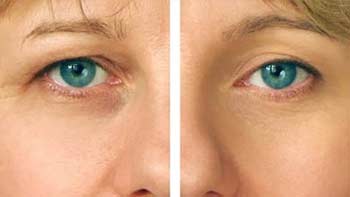

Oculoplastic surgery offers a powerful solution to enhance the appearance and function of the eyes and surrounding structures, addressing issues like droopy eyelids, tear duct problems, or orbital conditions. Iran has emerged as a global leader in oculoplastic procedures, combining cutting-edge technology, expert surgeons, and affordable prices. With Hamintour’s comprehensive support, patients can enjoy a seamless medical journey while exploring Iran’s rich cultural heritage. This guide provides everything you need to know about oculoplastic surgery in Iran, from procedures to recovery.
Why Choose Iran for Oculoplastic Surgery?
Iran’s medical sector excels in oculoplastic surgery, supported by advanced clinics in cities like Tehran, Shiraz, Mashhad, Isfahan, Tabriz, and Kish Island. These facilities are equipped with state-of-the-art technology, ensuring precision and safety. Iranian oculoplastic surgeons, many with international training and fellowships from top Western institutions, perform thousands of procedures annually, delivering results that rival global standards. The country’s prominence in cosmetic and reconstructive eye surgeries is further highlighted by its ranking among the top ten plastic surgery destinations worldwide.
Affordability is a major advantage. Oculoplastic surgery in Iran costs between $1,500 and $4,000, compared to significantly higher prices in Western countries, where similar procedures can range from $5,000 to $10,000 or more. This cost-effectiveness stems from Iran’s efficient healthcare system and competitive pricing, without compromising quality. Hamintour enhances this value with all-inclusive packages covering surgery, consultations, accommodations, transfers, and personalized care, ensuring a hassle-free experience for international patients.
Beyond medical excellence, Iran offers a unique opportunity to combine treatment with cultural exploration. Patients can recover while visiting historic landmarks, vibrant bazaars, or tranquil gardens, transforming a medical trip into a memorable journey. Hamintour crafts recovery-friendly itineraries, ensuring patients enjoy Iran’s hospitality while healing.
Understanding Oculoplastic Surgery
Oculoplastic surgery encompasses a range of cosmetic and reconstructive procedures targeting the eyelids, tear ducts, orbit, and surrounding facial structures. Unlike surgeries addressing the eyeball itself, oculoplastics focuses on enhancing appearance, function, or both. These procedures can be medically necessary (e.g., to improve vision or treat orbital diseases) or cosmetic (e.g., to rejuvenate the face).
Common Oculoplastic Procedures
-
Eyelid Surgery (Blepharoplasty): Removes excess skin, fat, or muscle from the upper or lower eyelids to address droopiness or puffiness.
-
Tear Duct Surgery (Dacryocystorhinostomy): Restores tear drainage by creating a new pathway for blocked tear ducts.
-
Orbital Surgery: Manages tumors, trauma, or disorders affecting the eye socket, often preserving vision.
-
Entropion/Ectropion Repair: Corrects eyelids that turn inward (entropion) or outward (ectropion), improving comfort and function.
-
Eyebrow/Forehead Lift: Lifts sagging brows to enhance facial aesthetics.
-
Facelift and Implants: Rejuvenates the face or restores volume with implants.
-
Pediatric Oculoplastic Surgery: Addresses congenital deformities in children, such as eyelid or orbital issues.
When is Oculoplastic Surgery Needed?
Oculoplastic surgery is recommended for:
-
Droopy or puffy eyelids impairing vision or appearance.
-
Tear duct blockages causing excessive tearing or infections.
-
Orbital conditions, such as tumors, fractures, or thyroid eye disease.
-
Eyelids turning inward (entropion) or outward (ectropion), causing irritation or vision issues.
-
Cosmetic concerns, like wrinkles or sagging skin around the eyes.
-
Congenital deformities in children requiring functional or aesthetic correction.
How is Oculoplastic Surgery Performed?
Oculoplastic procedures vary by type but are typically outpatient, performed under local anesthesia or intravenous sedation. The process includes:
-
Incision: Small incisions are made in discreet areas, such as eyelid creases, inside the eyelid, near the nose (for tear duct surgery), or in the scalp (for brow lifts).
-
Tissue Adjustment: Excess skin, fat, or muscle is removed or repositioned. For tear duct surgery, a new drainage pathway is created. Orbital surgery may involve removing or repairing damaged tissue while preserving eye function.
-
Closure: Incisions are closed with sutures or metal clips, often dissolvable, to minimize scarring.
-
Specialized Techniques: Laser-assisted procedures may be used to reduce scarring, though they can increase swelling.
Hamintour coordinates with top oculoplastic surgeons to ensure personalized, precise care tailored to each patient’s needs.
Non-Surgical Oculoplastic Options
For patients seeking less invasive solutions, non-surgical treatments include:
-
Laser Skin Treatments: Reduce wrinkles and improve skin texture.
-
Chemical Peels: Smooth and rejuvenate the skin around the eyes.
-
Facial Fillers: Restore volume and reduce fine lines.
-
Home Skin Care Regimens: Maintain results with specialized products.
Preparing for Oculoplastic Surgery
Preparation involves:
-
Consultation: Discuss medical history, medications, and goals with the surgeon to determine the best approach.
-
Pre-Operative Tests: Eye exams, imaging, or health assessments to ensure suitability for surgery.
-
Medication Adjustments: Pause blood thinners, if advised, to reduce bleeding risks.
Hamintour streamlines this process by reviewing medical records, arranging consultations with leading surgeons, and handling travel logistics like visas, accommodations, and interpreters, ensuring a smooth journey to Iran.
Recovery and Aftercare
Recovery from oculoplastic surgery typically takes 7–14 days, depending on the procedure. Common post-operative symptoms include:
-
Mild pain, swelling, bruising, or blurry vision, which subside within days.
-
Temporary discomfort, manageable with prescribed medications or eye drops.
Aftercare includes:
-
Rest: Relax for the first few days to promote healing.
-
Cold Compresses: Reduce swelling and bruising.
-
Activity Restrictions: Avoid exercise, heavy lifting, or rubbing the eyes for at least 1 week.
-
Follow-Ups: Regular check-ups to monitor healing and remove sutures, if needed.
Hamintour supports recovery with transportation, follow-up appointments, and 24/7 assistance, ensuring patients feel supported throughout their journey.
Risks and Benefits
Oculoplastic surgery is low-risk, with rare complications like infection, scarring, or temporary vision changes. Orbital surgeries may involve larger incisions, potentially leading to visible scars, but these are minimized with expert techniques. The benefits include improved appearance, enhanced vision, relief from discomfort, and boosted confidence. Iran’s high success rates, driven by board-certified surgeons and advanced facilities, ensure reliable outcomes.
Why Choose Hamintour?
Hamintour is a trusted leader in Iran’s medical tourism industry, specializing in oculoplastic and cosmetic procedures. They connect patients with accredited clinics and renowned surgeons, ensuring top-quality results. Their all-inclusive packages cover consultations, surgery, accommodations, transfers, and cultural experiences at transparent prices. With English-speaking coordinators and constant support, Hamintour makes the process accessible and stress-free.
A Journey Beyond Treatment
Choosing Iran for oculoplastic surgery offers more than medical correction—it’s a chance to explore a country rich in history and hospitality. From the ancient ruins of Persepolis to the vibrant markets of Isfahan, patients can enjoy light sightseeing during recovery, carefully planned by Hamintour to align with medical needs.
In conclusion, Iran provides world-class oculoplastic surgery at unbeatable prices, backed by expert care and modern facilities. With Hamintour’s dedicated support, patients can achieve enhanced aesthetics and function while enjoying a memorable travel experience.
Frequently Asked Questions
-
What is oculoplastic surgery?
Oculoplastic surgery includes cosmetic and reconstructive procedures for the eyelids, tear ducts, orbit, and surrounding areas, addressing both aesthetic and functional issues. -
How much does oculoplastic surgery cost in Iran?
Costs range from $1,500 to $4,000, compared to $5,000–$10,000 or more in Western countries. -
What types of oculoplastic procedures are available in Iran?
Options include blepharoplasty, tear duct surgery, orbital surgery, entropion/ectropion repair, eyebrow/forehead lifts, facelifts, and pediatric oculoplastics. -
How does Hamintour assist with oculoplastic surgery?
Hamintour coordinates consultations, surgeries, accommodations, transfers, and cultural tours for a seamless experience. -
Is oculoplastic surgery safe in Iran?
Yes, it’s a low-risk procedure performed by board-certified surgeons in advanced clinics with high success rates. -
How long is the recovery period for oculoplastic surgery?
Recovery takes 7–14 days, with swelling and bruising subsiding within days. -
What are the risks of oculoplastic surgery?
Rare risks include infection, scarring, or temporary vision changes, minimized with expert care. -
Can I combine oculoplastic surgery with sightseeing in Iran?
Yes, Hamintour arranges light cultural activities, like visiting historic sites, to complement recovery. -
Are Iranian surgeons qualified for oculoplastic surgery?
Many are internationally trained and renowned, delivering results that meet global standards. -
How do I arrange oculoplastic surgery in Iran?
Contact Hamintour via their website or messaging apps for a free consultation and personalized treatment plan.