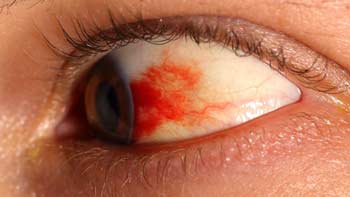

Diabetic retinopathy, a serious complication of diabetes, can threaten your vision if left untreated, but advanced treatments can halt its progression and even restore sight. Iran is a global leader in ophthalmology, offering cutting-edge diabetic retinopathy treatments at affordable prices. With world-class surgeons, state-of-the-art clinics, and comprehensive support from Hamintour, patients can receive top-quality care while exploring Iran’s rich cultural heritage. This guide covers everything you need to know about diabetic retinopathy treatment in Iran, from causes to recovery.
Why Choose Iran for Diabetic Retinopathy Treatment?
Iran’s ophthalmology sector is renowned for its expertise in treating complex eye conditions, including diabetic retinopathy. Clinics in cities like Tehran, Shiraz, Mashhad, and Isfahan are equipped with advanced diagnostic tools and surgical technology, ensuring precise and effective care. Iranian ophthalmologists, many with international training and extensive experience, perform thousands of eye procedures annually, delivering outcomes that rival those in Western countries.
Affordability is a major advantage. Diabetic retinopathy treatment in Iran ranges from $150–$400 per eye injection to $3,000 for surgical procedures, compared to $8,000 in the USA, $6,700 in Europe, $6,500 in Thailand, and $4,000 in Turkey. This cost-effectiveness stems from Iran’s efficient healthcare system and competitive pricing, without compromising quality. Hamintour enhances this value with all-inclusive packages covering consultations, treatments, accommodations, transfers, and personalized care, ensuring a seamless experience for international patients.
Beyond medical excellence, Iran offers a unique opportunity to combine treatment with tourism. Patients can recover while exploring historic landmarks, vibrant bazaars, or serene landscapes, transforming a medical trip into a culturally enriching journey. Hamintour crafts recovery-friendly itineraries to ensure patients enjoy Iran’s hospitality while healing.
Understanding Diabetic Retinopathy
Diabetic retinopathy is a complication of type 1 or type 2 diabetes that damages the retina’s blood vessels, potentially leading to vision loss. High blood sugar levels block or weaken these vessels, causing leakage or abnormal vessel growth, which can impair vision or cause blindness if untreated.
Types of Diabetic Retinopathy
-
Early Diabetic Retinopathy (Non-Proliferative):
-
More common, characterized by weakened blood vessel walls.
-
Blood or fluid leaks into the retina, causing swelling (macular edema) that may require treatment.
-
Severity ranges from mild to severe as more vessels become blocked.
-
-
Advanced Diabetic Retinopathy (Proliferative):
-
Severe stage where damaged vessels close, triggering abnormal vessel growth.
-
These vessels may leak into the vitreous (jelly-like substance in the eye), cause scar tissue, or lead to retinal detachment or glaucoma.
-
Symptoms
-
Early stages: Often asymptomatic, detectable only through screening.
-
Advanced stages: Gradual or sudden vision loss, floaters, blurred or patchy vision, eye pain, redness, impaired color vision, or dark/empty areas in vision.
Risk Factors
-
Long duration of diabetes.
-
Poorly controlled blood sugar, blood pressure, or cholesterol.
-
Pregnancy.
-
Tobacco use.
-
Afro-Caribbean or Asian background.
Complications if Untreated
-
Vitreous Hemorrhage: Blood leaks into the vitreous, causing floaters or vision blockage.
-
Glaucoma: New vessels disrupt fluid drainage, increasing eye pressure and damaging the optic nerve.
-
Retinal Detachment: Scar tissue pulls the retina away, causing severe vision loss.
-
Blindness: Progressive damage can lead to permanent vision loss.
Preventing Diabetic Retinopathy
While not entirely preventable, you can reduce the risk or slow progression by:
-
Controlling blood sugar, blood pressure, and cholesterol through diet, exercise, and medication.
-
Regular eye screenings to detect early changes.
-
Avoiding smoking and maintaining a healthy weight.
-
Promptly reporting vision changes to an eye specialist.
Diabetic Retinopathy Screening
Since early diabetic retinopathy is asymptomatic, regular screening is critical. Tests involve examining the retina and taking photographs to detect vessel damage or swelling. Based on results, patients may need annual follow-ups, more frequent monitoring, or advanced treatment.
Treatment Options for Diabetic Retinopathy
Treatment depends on the stage and severity of the condition. Early stages may only require managing diabetes, while advanced stages need targeted interventions.
Managing Early Diabetic Retinopathy
-
Control blood sugar, blood pressure, and cholesterol.
-
Adhere to diabetes medications and attend regular screenings.
-
Maintain a healthy lifestyle with balanced diet and exercise.
Treatments for Advanced Diabetic Retinopathy
-
Laser Treatment (Photocoagulation):
-
Used for proliferative retinopathy or severe macular edema.
-
Laser beams seal leaking vessels or prevent abnormal vessel growth, stabilizing vision.
-
Procedure takes 20–40 minutes under local anesthesia with numbing drops and special lenses.
-
Outpatient, but multiple sessions may be needed.
-
Side effects: Temporary blurred vision, photophobia, mild discomfort.
-
Risks: Reduced peripheral or night vision, internal eye bleeding, floaters, or small blind spots.
-
-
Eye Injections (Anti-VEGF or Steroids):
-
Used for diabetic maculopathy or proliferative retinopathy.
-
Anti-VEGF drugs (e.g., aflibercept, ranibizumab) prevent abnormal vessel growth, stabilizing or improving vision.
-
Steroid injections may be used if anti-VEGF is ineffective.
-
Administered monthly under local anesthesia until vision stabilizes.
-
Side effects: Eye irritation, watery eyes, floaters, increased eye pressure (with steroids).
-
Rare risks: Blood clots leading to heart attack or stroke.
-
-
Vitreoretinal Surgery (Vitrectomy):
-
Used for advanced cases with vitreous hemorrhage or retinal detachment.
-
Removes blood, scar tissue, or vitreous gel, followed by laser treatment to stabilize the retina.
-
Performed under local anesthesia with sedation, typically outpatient.
-
Side effects: Blurred vision, eye fatigue.
-
Risks: Cataract formation, infection, bleeding, retinal detachment, or need for further surgery.
-
How is Diabetic Retinopathy Treatment Performed?
-
Laser Treatment: Numbing drops are applied, and laser beams target damaged vessels through special lenses.
-
Eye Injections: The eye is cleaned, clips keep it open, and a fine needle delivers medication into the vitreous under local anesthesia.
-
Vitrectomy: A small incision is made to remove vitreous gel, blood, or scar tissue, followed by laser or fluid/gas injection to stabilize the retina.
Hamintour coordinates with top ophthalmologists to ensure personalized, precise care, maximizing treatment success.
Preparing for Diabetic Retinopathy Treatment
Preparation involves:
-
Consultation: Discuss medical history, diabetes control, and symptoms with the surgeon.
-
Pre-Operative Tests: Retinal photography, fluorescein angiography, or optical coherence tomography to assess damage.
-
Medication Adjustments: Optimize diabetes management and pause blood thinners, if advised, to reduce risks.
Hamintour streamlines this process by reviewing medical records, arranging consultations with leading surgeons, and handling travel logistics like visas, accommodations, and interpreters, ensuring a smooth journey to Iran.
Recovery and Aftercare
Recovery varies by treatment:
-
Laser Treatment: Minimal downtime, with blurred vision or discomfort for a few hours.
-
Eye Injections: Mild irritation for 1–2 days; patients can resume normal activities quickly.
-
Vitrectomy: 1–2 weeks with an eye patch for the first few days; full vision recovery may take months.
Aftercare includes:
-
Medications: Use prescribed eye drops to prevent infection or reduce inflammation.
-
Activity Restrictions: Avoid driving, reading, or strenuous activities for a few days (longer for vitrectomy).
-
Follow-Ups: Regular check-ups to monitor retinal health and vision.
-
Lifestyle Management: Maintain strict control of blood sugar, blood pressure, and cholesterol.
Hamintour supports recovery with transportation, follow-up appointments, and 24/7 assistance, ensuring patients feel supported throughout their journey.
Risks and Benefits
Treatments are generally safe but carry risks:
-
Laser Treatment: Reduced peripheral/night vision, floaters, or small blind spots.
-
Eye Injections: Eye irritation, increased pressure, or rare systemic risks like blood clots.
-
Vitrectomy: Cataract formation, infection, bleeding, retinal detachment, or need for further surgery.
Benefits include halting disease progression, stabilizing or improving vision, and preventing blindness. Iran’s high success rates, driven by expert surgeons and advanced facilities, ensure reliable outcomes.
Diabetic Retinopathy vs. Other Conditions
-
Hypertensive Retinopathy: Caused by high blood pressure, not diabetes, but both damage retinal vessels and can lead to vision loss if untreated.
-
Macular Degeneration: Affects the macula due to aging, not diabetes, causing central vision loss. Symptoms and treatments differ, with macular degeneration involving anti-angiogenic drugs or photodynamic therapy.
Why Choose Hamintour?
Hamintour is a leading medical tourism facilitator in Iran, specializing in eye care. They connect patients with accredited clinics and renowned ophthalmologists, ensuring top-quality results. Their all-inclusive packages cover consultations, treatments, accommodations, transfers, and cultural experiences at transparent prices. With English-speaking coordinators and post-treatment follow-up, Hamintour makes the process accessible and stress-free.
A Journey Beyond Treatment
Choosing Iran for diabetic retinopathy treatment offers more than medical care—it’s a chance to explore a country rich in history and hospitality. From the ancient ruins of Persepolis to the tranquil gardens of Shiraz, patients can enjoy light sightseeing during recovery, carefully planned by Hamintour to align with medical needs.
In conclusion, Iran provides world-class diabetic retinopathy treatment at unbeatable prices, backed by expert care and modern facilities. With Hamintour’s dedicated support, patients can preserve their vision and enjoy a memorable travel experience.
Frequently Asked Questions
-
What is diabetic retinopathy, and what are its symptoms?
Diabetic retinopathy is a diabetes-related condition damaging retinal blood vessels, causing floaters, blurred vision, or vision loss in advanced stages. -
How much does diabetic retinopathy treatment cost in Iran?
Eye injections cost $150–$400 per session, and surgical treatment costs around $3,000, compared to $8,000 in the USA or $6,700 in Europe. -
What treatments are available for diabetic retinopathy in Iran?
Options include laser photocoagulation, anti-VEGF/steroid injections, and vitrectomy, tailored to the condition’s severity. -
How does Hamintour assist with diabetic retinopathy treatment?
Hamintour coordinates consultations, treatments, accommodations, transfers, and cultural tours for a seamless experience. -
Is diabetic retinopathy treatment safe in Iran?
Yes, treatments are performed by expert surgeons in advanced clinics with high success rates. -
How long is the recovery period for diabetic retinopathy treatment?
Laser and injections require minimal downtime; vitrectomy recovery takes 1–2 weeks, with full vision recovery spanning months. -
What are the risks of diabetic retinopathy treatment?
Risks include reduced peripheral vision, eye irritation, infection, or retinal detachment, minimized with expert care. -
Can I combine treatment with sightseeing in Iran?
Yes, Hamintour arranges light cultural activities, like visiting historic sites, to complement recovery. -
Are Iranian surgeons qualified for diabetic retinopathy treatment?
Many are internationally trained and highly experienced, delivering results that meet global standards. -
How do I arrange diabetic retinopathy treatment in Iran?
Contact Hamintour via their website or WhatsApp for a free consultation and personalized treatment plan.