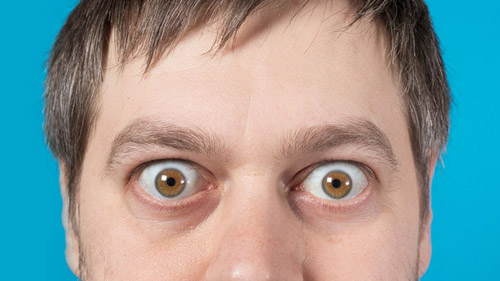

Protruding eyes, medically termed exophthalmos or proptosis, can impact both eye function and self-esteem, often stemming from underlying conditions like thyroid disorders. Iran stands out as a premier hub for treating exophthalmos, delivering advanced surgical and non-surgical solutions through expert ophthalmologists in cutting-edge facilities. With costs up to 70% lower than in Western nations and seamless coordination via Hamintour, international patients can address bulging eyes while immersing in Iran’s vibrant history and landscapes. This comprehensive overview explores exophthalmos, its management, and why Iran is an ideal choice for restoration.
Why Iran Excels in Exophthalmos Care
Iran’s ophthalmology landscape thrives with specialized centers in Tehran, Shiraz, and Isfahan, boasting modern equipment like MRI and CT scanners for precise diagnostics. Surgeons, often fellowship-trained abroad, handle complex cases with outcomes matching global benchmarks, including orbital decompression that reduces protrusion by 3-5 mm on average. The nation’s self-sufficiency in surgical tools and high volume of procedures—over 40,000 eye surgeries monthly—ensure efficiency and expertise.
Financially, exophthalmos surgery in Iran ranges from $1,500 to $3,000, covering consultations, imaging, anesthesia, and follow-ups—far below the $5,000-$10,000 in the US or €4,000-€7,000 in Europe. This affordability arises from subsidized healthcare and competitive markets, without skimping on quality. Hamintour amplifies accessibility through all-inclusive plans: visa support, luxury stays near clinics, airport shuttles, and English-speaking guides, freeing patients to prioritize healing.
Moreover, Iran’s cultural tapestry enhances recovery. Post-treatment, explore Persepolis’ ancient wonders or Isfahan’s azure-domed mosques—Hamintour designs gentle itineraries blending rest with discovery, fostering holistic wellness amid Persian warmth.
Unpacking Exophthalmos: A Deeper Look
Exophthalmos arises when orbital contents—muscles, fat, or vessels—expand, pushing the eyeball forward beyond its socket. This isn’t merely cosmetic; untreated, it risks corneal exposure and optic nerve strain. Unilateral cases affect one eye, often from localized issues like infections; bilateral impacts both, typically systemic like thyroid imbalances.
Root Causes
- Thyroid Disorders: Graves’ ophthalmopathy tops the list, affecting 25-50% of hyperthyroidism patients via autoimmune inflammation swelling eye muscles. It impacts 1 in 3 hyperthyroid cases, with symptoms lagging thyroid issues by months or years.
- Inflammatory Infections: Orbital cellulitis, common in children, triggers acute swelling; adults may face IgG4-related disease.
- Tumors and Growths: Benign or malignant masses behind the eye displace tissues.
- Trauma or Vascular Issues: Injuries, bleeding, or abnormal vessels (e.g., carotid-cavernous fistula) cause sudden protrusion.
- Rare Factors: Leukemia, neuroblastoma in kids; hypothyroidism or smoking in adults heightens vulnerability.
Early intervention is key, as progression can compress the optic nerve, leading to irreversible vision loss.
Recognizing Symptoms
Beyond visible bulging—measured via exophthalmometer as >20 mm protrusion—watch for:
- Eye irritation, dryness, or light sensitivity (photophobia).
- Double vision (diplopia) from muscle imbalance.
- Pressure or pain behind the eyes, worsened by fatigue.
- Blurred vision, floaters, or color distortion.
- Lid lag: Difficulty closing eyes, causing exposure keratopathy.
- Systemic signs: Insomnia, anxiety, or weight changes if thyroid-linked.
These escalate over time, potentially disrupting sleep and daily life.
Diagnostic Approaches
Diagnosis blends clinical insight with tech:
- Physical Exam: Ophthalmologists assess protrusion, eye movement, and lid closure.
- Blood Tests: Thyroid panels (TSH, T4) and autoantibodies flag Graves’.
- Imaging: CT/MRI reveal orbital swelling, tumors, or fractures; ultrasound detects vascular anomalies.
- Visual Field Tests: Gauge optic nerve impact.
- Biopsy: For suspected tumors.
Prompt evaluation prevents complications like glaucoma or corneal ulcers.
Tailored Treatment Pathways
Exophthalmos management hinges on cause and severity—non-surgical first, escalating to intervention. Iran’s multidisciplinary teams, including endocrinologists and oculoplastic specialists, customize plans for optimal results.
Non-Surgical Strategies
- Thyroid Management: Antithyroid drugs (e.g., methimazole) or radioiodine normalize hormones, easing 50-70% of mild cases.
- Anti-Inflammatories: Corticosteroids (oral/IV) reduce swelling in acute flares; rituximab targets antibodies in refractory Graves’.
- Supportive Measures: Lubricating drops combat dryness; prisms correct diplopia; sunglasses shield from light. Radiotherapy shrinks tissues in select cases.
- Lifestyle Tweaks: Quit smoking (doubles risk); selenium supplements may aid mild thyroid eye disease.
These control symptoms in 60-80% of early cases, but persistent protrusion often warrants surgery.
Surgical Interventions
For moderate-severe exophthalmos, surgery restores alignment and function:
- Orbital Decompression: Gold standard; removes bone/fat from orbital walls (medial/inferior/lateral approaches) to expand space. Endoscopic methods minimize scars; reduces protrusion by 4-6 mm, improving cosmesis and vision.
- Eyelid Surgery (Blepharoplasty): Tightens lids to protect the cornea, preventing exposure.
- Eye Muscle Surgery: Adjusts strabismus for aligned gaze.
- Tumor Excision: Removes masses causing displacement.
Procedures last 1-3 hours under general anesthesia; outpatient or short-stay. Success rates exceed 90%, with low recurrence.
Hamintour links patients to JCI-accredited centers, ensuring sterile, tech-driven care.
Navigating Preparation and Recovery
Pre-op: Stabilize thyroid levels; imaging confirms candidacy. Hamintour handles records review and scheduling.
Post-op: Mild swelling/bruising fades in 1-2 weeks; vision stabilizes in months. Use ice packs, drops; avoid strain. Complications (rare: infection, diplopia) are managed swiftly.
Long-term: Annual thyroid checks; 70% see sustained improvement.
Why Hamintour for Exophthalmos Care?
Hamintour, Iran’s trusted medical tourism ally, streamlines journeys: free consultations, surgeon matching, 24/7 support. Packages bundle treatments with recovery perks—spa therapies, guided tours—delivering value and peace.
Beyond Healing: Iran’s Allure
Treatment in Iran transcends medicine—stroll Tehran’s grand bazaars or unwind in Yazd’s desert oases. Hamintour’s bespoke plans weave wellness with wonder.
Ultimately, Iran’s prowess in exophthalmos care—affordable, expert, holistic—empowers renewed confidence. With Hamintour, reclaim clear sight and serenity.
Frequently Asked Questions
- What exactly is exophthalmos? Exophthalmos, or proptosis, is the forward displacement of one or both eyeballs due to increased orbital volume, often from thyroid issues.
- What causes bulging eyes in Iran treatments? Primarily Graves’ disease (50% of cases), plus infections, tumors, trauma, or vascular anomalies; addressed via targeted therapies.
- How much does exophthalmos surgery cost in Iran? $1,500-$3,000, versus $5,000-$10,000 in the US—includes full care for substantial savings.
- What non-surgical options exist for exophthalmos? Thyroid meds, corticosteroids, lubricants, or radiotherapy; effective for mild cases, per expert guidance.
- How does Hamintour support exophthalmos patients? End-to-end: consultations, logistics, post-op monitoring, and cultural excursions for stress-free healing.
- Is exophthalmos surgery safe in Iran? Yes, with >90% success; board-certified surgeons in advanced facilities minimize risks like infection.
- What symptoms signal exophthalmos? Protrusion, irritation, double vision, dryness, or pressure; early detection via exams prevents escalation.
- Can I tour Iran during exophthalmos recovery? Absolutely—Hamintour plans gentle activities like garden visits, aligning with your healing timeline.
- How is exophthalmos diagnosed? Physical exams, blood tests, CT/MRI, and exophthalmometry quantify protrusion and pinpoint causes.
- What complications arise from untreated exophthalmos? Corneal damage, optic nerve compression, infections, or blindness; timely intervention averts these.