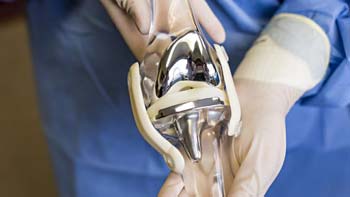

For individuals grappling with chronic hip pain that hinders everyday movements, hip replacement surgery offers a life-changing opportunity to regain mobility and independence. In Iran, this advanced orthopedic procedure is performed with precision and affordability, drawing patients from across the globe to its state-of-the-art facilities. As a hub for medical tourism, Iran provides total and partial hip replacements using the latest techniques, including AI-assisted planning and robotic navigation, ensuring outcomes that match international benchmarks. hamintour, a premier medical tourism partner in Iran, specializes in arranging these surgeries, handling everything from consultations to recovery support, allowing patients to focus on healing while enjoying the country’s welcoming hospitality.
Iran’s orthopedic expertise has evolved significantly, with over 10,000 joint replacement procedures annually, reflecting a surge in demand due to its high success rates and economic advantages. Recent advancements, such as 3D-printed implants and AI-driven surgical simulations, have elevated Iran’s capabilities, making it a preferred destination for hip arthroplasty. Patients often combine their treatment with cultural explorations, like visiting ancient Persepolis or strolling through vibrant bazaars, turning medical travel into a holistic experience. hamintour ensures seamless integration of these elements, providing personalized itineraries that enhance the overall journey.
Why Opt for Hip Replacement in Iran?
Iran stands out in the global medical landscape for its blend of innovation, expertise, and value in orthopedic care. The country’s surgeons, many of whom have trained in Europe and North America, participate in international congresses, sharing and adopting cutting-edge techniques. For instance, Iranian specialists have pioneered minimally invasive approaches that reduce recovery times, with satisfaction rates exceeding 95% according to recent studies. The keyword “Iran” is increasingly associated with reliable, high-quality hip replacements at costs 70-80% lower than in Western nations.
What makes Iran particularly appealing is its robust healthcare infrastructure. Specialized centers in cities like Tehran and Shiraz feature advanced equipment, including high-resolution imaging and robotic systems that improve implant alignment by up to 45%. International patients appreciate the cultural safety and warmth—travelers often describe Iran as one of the most hospitable destinations, with locals offering genuine support. hamintour leverages this by connecting patients with accredited hospitals, ensuring compliance with global standards like those from the Joint Commission International.
Real-life accounts from patients underscore Iran’s allure. A British retiree, after enduring years of hip pain from osteoarthritis, chose Iran for his total hip replacement and reported walking pain-free within weeks, crediting hamintour’s efficient coordination. Similarly, a patient from the UAE shared how partial hip surgery restored her active lifestyle, allowing her to resume hiking during a post-recovery tour arranged by hamintour. These stories, captured in hamintour’s inspirational videos, highlight not just medical success but also the emotional uplift from affordable, compassionate care in Iran.
Is Hip Replacement Safe in Iran?
Safety is paramount in orthopedic procedures, and Iran excels with stringent protocols that minimize risks. With a patient satisfaction rate above 95% and implant survival rates of 90-96% over mid-term follow-ups, hip replacements here are as secure as those in developed countries. Experienced surgeons perform thousands of these surgeries yearly, reducing complication rates to below 5%, including infections or dislocations. Modern facilities employ advanced sterilization and monitoring, while AI tools enhance precision, lowering revision needs.
Iran’s medical system surprises many visitors with its sophistication—private hospitals rival those in the US or Europe, equipped with the latest in orthopedic technology. The country’s overall safety for travelers is high, with low crime rates and efficient public services. hamintour prioritizes this by vetting providers and offering 24/7 support, including emergency assistance. Recent media reports, such as those from PressTV, emphasize Iran’s growing reputation, noting that foreign surgeons attend local workshops to learn from Iranian innovations in joint replacements.
Cost of Hip Replacement in Iran: A Smart Investment
One of Iran’s greatest strengths is its affordability without sacrificing quality. A total hip replacement in Iran typically costs $3,000 to $5,000, encompassing surgeon fees, anesthesia, hospital stay, and implants. This is a stark contrast to other destinations: in the US, prices exceed $40,000; the UK averages $11,000-$30,000; Turkey ranges from $7,500-$12,000; and even Poland, a budget option, sits at $5,000-$8,900. Patients traveling to Iran save 50-70%, even after factoring in flights and accommodations.
These savings stem from efficient healthcare systems and government support for medical tourism. Partial hip replacements are similarly economical, often under $4,000. hamintour provides transparent, all-inclusive quotes, covering additional services like physiotherapy and transfers, helping patients budget effectively. In 2025 projections, Iran’s orthopedic market is expected to grow, maintaining these competitive prices while incorporating advancements like customizable 3D implants.
When Do You Need Hip Replacement Surgery?
Hip replacement becomes essential when conservative treatments fail to alleviate severe symptoms. Common indicators include intense pain and stiffness that disrupt daily routines, such as walking or climbing stairs, persisting even at rest. Injuries causing fractures, swelling, or mobility loss also necessitate intervention. Underlying conditions play a key role: osteoarthritis, prevalent in those over 50, erodes cartilage leading to bone friction; rheumatoid arthritis triggers inflammation; post-traumatic arthritis follows injuries; childhood hip dysplasia can manifest later; and avascular necrosis disrupts blood supply, causing bone death.
If medications, physical therapy, or lifestyle changes no longer provide relief, consulting a specialist is crucial. In Iran, hamintour facilitates initial assessments via telemedicine, ensuring timely diagnosis and personalized recommendations.
How is Total Hip Replacement Performed in Iran?
The procedure, known as total hip arthroplasty, replaces the damaged joint with a prosthetic one comprising a metal ball and durable socket (plastic, ceramic, or metal). Lasting 2-3 hours, it begins with anesthesia—general or regional—for patient comfort. The surgeon makes a precise incision, removes the femoral head using specialized tools, prepares the bone, and secures the implant, often with cement for stability. Muscles are reattached, and the incision closed, followed by immediate post-op checks.
Iranian clinics emphasize minimally invasive methods, reducing tissue trauma and blood loss. hamintour partners with surgeons skilled in these techniques, ensuring optimal outcomes.
Posterior vs. Anterior Hip Replacement Approaches
Two primary surgical approaches are used in Iran, each with distinct benefits:
Posterior Approach: The most common, involving an incision at the hip’s back. It allows easy access, minimizing nerve risks, and involves detaching and reattaching muscles like the gluteus maximus. Ideal for complex cases, it offers quick operative times.
Anterior Approach: A modern, muscle-sparing technique via a front incision, preserving key structures for potentially faster recovery. It demands high surgeon proficiency and specialized tools, but reduces dislocation risks. In Iran, select centers with robotic assistance excel in this method, as noted in recent orthopedic journals.
hamintour helps patients choose based on their anatomy and preferences, consulting with experts.
Total vs. Partial Hip Replacement
Total Hip Replacement: Replaces the entire joint, suitable for extensive damage from arthritis or necrosis, providing comprehensive relief and longevity up to 15-20 years.
Partial Hip Replacement: Targets only the femoral head, often for fractures in elderly patients. It’s less invasive, with shorter surgery (2-4 hours) and quicker recovery, preserving more natural bone.
In Iran, both are performed with high precision, and hamintour guides selections through diagnostic imaging.
Recovery After Hip Replacement in Iran
Recovery is phased and supported by comprehensive care. Hospital stays last 1-3 days, with physiotherapy starting day one to combat pain and stiffness via medications and blood thinners. Weeks 1-3 involve assistance for exercises and walking with aids, as major discomfort subsides. By weeks 3-6, independence grows, avoiding high-impact activities. Full recovery by week 6 enables running, swimming, or driving.
Iran’s rehab programs, enhanced by AI-monitored progress, accelerate this. hamintour arranges home care or extended stays, including virtual follow-ups.
Preparing for Hip Replacement Surgery
Thorough preparation optimizes results. Conduct a full physical exam, including blood tests, EKG, X-rays, and urine analysis. Ensure skin is infection-free, lose excess weight if needed, and pause certain medications under guidance. Install home aids like handrails, shower benches, and raised toilet seats. Abstain from alcohol and smoking weeks prior, and fast 12 hours before surgery. hamintour coordinates pre-op tests and logistics for international patients.
Post-Operative Care for Optimal Healing
Effective aftercare is vital: Consume nutrient-rich meals with iron supplements, keep wounds dry until healed, perform prescribed exercises, and attend physical therapy. Use walking aids initially, take pain relievers, and remove sutures after two weeks. hamintour’s packages include nutrition plans and therapy sessions, promoting swift, safe recovery.
Benefits, Risks, and Long-Term Outlook
Hip replacement in Iran boasts benefits like 90%+ pain reduction, improved quality of life, and active lifestyles. Risks, such as clots or infections, are rare (under 2%) with expert care. Long-term, implants last 15+ years, with advancements extending this. hamintour’s support minimizes risks through vetted providers.
Partnering with hamintour for Your Journey
hamintour transforms medical travel into a effortless experience in Iran. From visa processing and airport pickups to surgeon matching and cultural excursions, their team ensures comprehensive care. With a focus on patient well-being, hamintour delivers exceptional value, making hip replacement accessible and rewarding.
Frequently Asked Questions
- Why is Iran a leading destination for hip replacement surgery? Iran offers advanced orthopedic facilities, expert surgeons, and costs 70-80% lower than in the US or UK, with success rates over 95%.
- How does hamintour facilitate hip replacement in Iran? hamintour manages visas, hospital bookings, transfers, and recovery support, including cultural tours for a complete experience.
- What is the average cost of hip replacement in Iran? It ranges from $3,000 to $5,000, covering all essentials, significantly less than $40,000+ in the US.
- Is hip replacement safe in Iran? Yes, with satisfaction rates above 95% and modern protocols, outcomes match global standards, minimizing risks like infections.
- When is total hip replacement recommended? For severe pain from osteoarthritis, injuries, or diseases limiting mobility, when other treatments fail.
- What are the differences between posterior and anterior approaches? Posterior is common and low-risk for nerves; anterior is muscle-sparing but requires precision, both available in Iran.
- How long does recovery take after hip replacement in Iran? Hospital stay: 1-3 days; full recovery: 6 weeks, with physiotherapy accelerating progress.
- What preparations are needed before hip surgery in Iran? Full exams, weight management, home modifications, and medication adjustments, coordinated by hamintour.
- What post-operative care is essential? Balanced diet, exercises, wound care, and aids; hamintour provides ongoing guidance.
- Can partial hip replacement be done in Iran? Yes, for targeted damage like fractures, offering quicker recovery at affordable prices through hamintour.