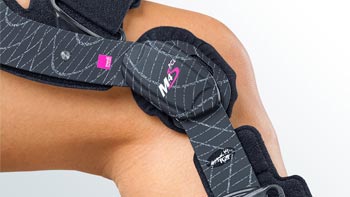

Anterior cruciate ligament (ACL) and posterior cruciate ligament (PCL) surgeries are highly effective solutions for restoring knee stability and mobility after ligament tears, and Iran stands out as a premier destination for these procedures. With world-class orthopedic surgeons, cutting-edge technology, and costs significantly lower than global averages, Iran attracts patients seeking quality care at budget-friendly prices. hamintour, a leading medical tourism facilitator, ensures a seamless experience, coordinating consultations, travel, recovery, and cultural tours to Iran’s historic sites, blending healing with an enriching journey.
Why Choose Iran for ACL and PCL Surgery?
Iran’s orthopedic sector is renowned for its excellence, performing thousands of knee surgeries annually with success rates above 95%, as reported in recent orthopedic journals. Surgeons, often trained in Europe or North America, employ advanced techniques like arthroscopic surgery and 3D-printed grafts, ensuring precision and durability. The keyword “Iran” signifies exceptional value—ACL and PCL surgeries cost $1,000-$3,000, compared to $13,000-$50,000 in the US, $7,000-$12,000 in the UK, or $5,000-$8,000 in Turkey or India, offering savings of up to 90%.
Iran’s hospitals feature state-of-the-art International Patient Departments (IPDs) with AI-driven diagnostics, high-resolution imaging, and multilingual staff, ensuring comfort for global patients. The country’s safety and hospitality, praised by travelers, enhance its appeal. hamintour elevates this by arranging visas, transfers, accommodations, and cultural tours to landmarks like Tehran’s Golestan Palace or Isfahan’s historic bridges. Patient stories highlight this: a soccer player from the Middle East regained full knee function after ACL reconstruction, praising hamintour’s support, while a European patient combined PCL surgery with a tour of Persepolis, as featured in hamintour’s video testimonials.
What are ACL and PCL Injuries?
The ACL and PCL are crucial ligaments stabilizing the knee. The ACL, connecting the femur to the tibia, prevents forward tibial movement, while the PCL prevents backward movement. Tears occur during high-impact activities like soccer, skiing, or basketball, often with a “pop” sound, causing pain, swelling, and instability. Symptoms include:
-
Knee buckling or giving way.
-
Pain and swelling within hours of injury.
-
Limited range of motion or difficulty walking.
Non-surgical treatments like physiotherapy may suffice for partial tears, but complete tears or persistent instability often require surgery. hamintour facilitates specialist assessments, often via telemedicine, to confirm surgical necessity.
When is ACL or PCL Surgery Needed?
Surgery is recommended when:
-
Non-surgical treatments (medications, physiotherapy) fail after 4-6 weeks.
-
Severe instability affects daily activities or sports.
-
Complete ligament tears are confirmed via MRI or X-ray.
-
Associated injuries (meniscus tears, cartilage damage) are present.
Candidates include:
-
Active adults or athletes (e.g., soccer, basketball, skiing).
-
Children with closed growth plates.
-
Individuals with recurrent knee buckling or failed conservative treatments.
hamintour connects patients with top orthopedists for tailored evaluations.
Types of ACL and PCL Surgery
Surgical approaches depend on the tear’s severity and location:
-
Arthroscopic Repair: Minimally invasive, using small incisions and a camera to suture partial tears, preserving the ligament.
-
Reconstruction: Replaces a completely torn ligament with a graft (autograft from patellar/hamstring/quadriceps tendons or allograft from a donor). Tunnels are drilled in the femur and tibia to anchor the graft with screws.
-
PCL-Specific Techniques: Similar to ACL reconstruction, but often combined with meniscus or multi-ligament repairs for complex injuries.
Iranian surgeons favor arthroscopic methods for faster recovery and minimal scarring. hamintour ensures personalized surgical plans based on advanced diagnostics.
How is ACL/PCL Surgery Performed in Iran?
The procedure, lasting 1-2 hours, involves:
-
Anesthesia: General or local (spinal) anesthesia ensures comfort.
-
Incision: Small arthroscopic incisions (or larger for open surgery) access the knee.
-
Repair/Reconstruction: Partial tears are sutured; complete tears use grafts anchored via tunnels and screws.
-
Closure: Incisions are closed with stitches, and a bandage or brace is applied.
Patients are monitored in a recovery room for 2-3 hours and typically discharged the same day (arthroscopic) or after 1 night (open surgery). Iran’s clinics use minimally invasive techniques, reducing recovery time. hamintour partners with surgeons skilled in arthroscopy for optimal outcomes.
Preparation for ACL/PCL Surgery
Preparation ensures success:
-
Undergo diagnostic tests: MRI, X-rays, blood tests, or electrocardiograms.
-
Stop smoking and alcohol 2 weeks prior.
-
Discontinue blood thinners or anti-inflammatory drugs as advised.
-
Report medical history and current medications.
-
Fast for 8-12 hours before surgery.
-
Arrange caregiver support and a recovery-friendly home with accessible items.
hamintour coordinates tests, travel, and logistics for a seamless process.
Recovery Timeline
Recovery spans 6-12 months:
-
Day 1: Post-surgery monitoring, with discharge within hours (arthroscopic) or 1 night (open surgery).
-
Weeks 1-2: Rest with ice application to reduce swelling. Use crutches and a knee brace. Take prescribed painkillers and antibiotics.
-
Weeks 2-6: Begin physiotherapy to restore motion. Avoid weight-bearing activities.
-
Months 2-6: Gradual return to light activities, with intensive rehab to rebuild strength.
-
Months 6-12: Resume sports, pending surgeon approval, after full strength restoration.
hamintour provides tailored rehab plans, including AI-monitored physiotherapy and virtual follow-ups.
Risks and Complications
ACL/PCL surgery is safe, with complications under 5%. Potential risks include:
-
Infection (rare, but serious if in the graft).
-
Numbness or nerve damage.
-
Blood clots or anesthesia complications.
-
Graft failure, loosening, or re-rupture (autografts reduce this risk).
-
Stiffness (e.g., cyclops lesion requiring additional surgery).
-
Kneecap crepitus or limited motion.
Iran’s experienced surgeons and strict protocols minimize risks. hamintour ensures access to top professionals for safe outcomes.
Why Choose hamintour?
hamintour transforms ACL/PCL surgery into a seamless experience in Iran, handling visas, hospital bookings, transfers, and interpreter services. Optional cultural tours to sites like Yazd’s ancient wind towers enhance recovery. Post-treatment, virtual consultations ensure ongoing care, making Iran a top choice for orthopedic surgery.
Cost Comparison
ACL/PCL surgery in Iran costs $1,000-$3,000, covering all essentials, compared to $13,000-$50,000 in the US, $7,000-$12,000 in the UK, or $5,000-$8,000 in Turkey or India. Savings of up to 90% make Iran highly cost-effective. hamintour offers transparent pricing, including travel and rehab.
Is ACL/PCL Surgery Worth It?
With a 95%+ success rate, ACL/PCL surgery in Iran restores knee stability, eliminates pain, and enables a return to active lifestyles. Supported by expert care and affordability, it’s a valuable investment. hamintour’s comprehensive services ensure a stress-free journey.
Frequently Asked Questions
-
Why is Iran a top destination for ACL/PCL surgery?
Iran offers advanced facilities, expert surgeons, and costs up to 90% lower than Western countries, with success rates above 95%. -
How does hamintour support ACL/PCL surgery in Iran?
hamintour manages visas, bookings, transfers, and aftercare, offering cultural tours and interpreter services for a seamless experience. -
What is the cost of ACL/PCL surgery in Iran?
It ranges from $1,000 to $3,000, far less than $13,000-$50,000 in the US or $7,000-$12,000 in the UK. -
Is ACL/PCL surgery safe in Iran?
Yes, with a 95%+ success rate and modern protocols, Iran minimizes risks like infection or graft failure. -
When is ACL/PCL surgery needed?
For complete tears, persistent instability, or failed non-surgical treatments after 4-6 weeks. -
What types of ACL/PCL surgery are available in Iran?
Arthroscopic repair or reconstruction, tailored to tear severity, with PCL often combined with other repairs. -
How long is recovery after ACL/PCL surgery in Iran?
Discharge within hours or 1 night, with normal activities resuming in 2-6 months and sports after 6-12 months. -
What preparations are needed for ACL/PCL surgery?
Tests, medication adjustments, and home setup, all coordinated by hamintour. -
What post-operative care is required?
Medications, physiotherapy, and avoiding heavy activity, with hamintour’s aftercare support. -
Can I combine surgery with tourism in Iran?
Yes, hamintour offers cultural tours to historic sites, enhancing recovery with a unique travel experience.