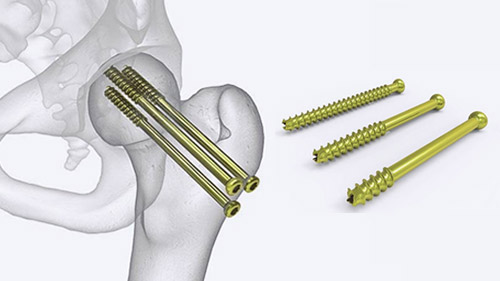

Hip nailing, also known as hip pinning or internal fixation, is a highly effective orthopedic surgery to repair hip fractures, restoring mobility and alleviating pain. In Iran, this procedure is performed by world-class surgeons in advanced facilities at a fraction of global costs, making it a top choice for medical tourists. hamintour, a leading medical tourism facilitator, ensures a seamless experience, handling surgeon selection, travel logistics, and post-operative care, while offering cultural tours to enrich recovery with visits to Iran’s historic landmarks.
Why Choose Iran for Hip Nailing Surgery?
Iran’s orthopedic sector is renowned for its expertise, with thousands of successful hip surgeries annually and success rates exceeding 95%, as reported in recent medical journals. Surgeons, often trained in Europe or North America, utilize cutting-edge technologies like intraoperative X-ray guidance and 3D-printed implants for precise outcomes. The keyword “Iran” signifies unmatched value—hip nailing costs $2,000-$3,000, compared to $7,000-$33,000 in the US, $6,000-$20,000 in the UK, or $4,000-$8,000 in India, offering savings of up to 80%.
Iran’s hospitals feature International Patient Departments (IPDs) with state-of-the-art equipment and multilingual staff, ensuring comfort for global patients. The country’s safety and warm hospitality, praised by travelers, enhance its appeal. hamintour elevates this with comprehensive packages, including visas, transfers, accommodations, and optional tours to iconic sites like Shiraz’s Persepolis or Tehran’s Grand Bazaar. Patient testimonials highlight this: an elderly European patient regained mobility after hip nailing, praising hamintour’s support, while a Middle Eastern patient combined surgery with a cultural tour, as shown in hamintour’s video stories.
What is Hip Nailing Surgery?
Hip nailing, or internal fixation, stabilizes fractures in the upper femur (intertrochanteric or femoral neck) using metal screws, nails, rods, or plates to hold bones in place for healing. The hip’s ball-and-socket joint, connecting the femur to the pelvis, enables leg movement, but fractures from falls, trauma, or conditions like osteoporosis disrupt this, causing severe pain and immobility. Hip nailing restores alignment, preventing complications like arthritis. In Iran, surgeons use advanced techniques, such as dynamic hip screws, for optimal stability and recovery.
Types of Hip Nailing Surgery
Hip fracture treatments vary based on fracture type and severity:
-
Internal Fixation (Hip Nailing/Pinning): Uses screws, nails, or plates to stabilize alignable fractures, preserving the natural joint. Common devices include dynamic hip screws (DHS) or intramedullary nails.
-
Partial Hip Replacement (Hemiarthroplasty): Replaces the femoral head with a metal or ceramic prosthesis for non-alignable fractures, common in elderly patients.
-
Total Hip Replacement: Replaces both the femoral head and acetabulum with prosthetics for severe joint damage (less common for fractures).
Iranian surgeons tailor the approach using X-rays or CT scans. hamintour ensures personalized surgical plans.
When is Hip Nailing Surgery Needed?
Hip nailing is recommended for:
-
Intertrochanteric or Femoral Neck Fractures: Breaks in the upper femur from falls, accidents, or weakened bones (e.g., osteoporosis, cancer).
-
Stable Fractures: Bones that can be realigned without joint replacement.
-
Patients Seeking Mobility Restoration: To prevent complications like arthritis or prolonged immobility.
Symptoms include severe hip pain, inability to walk, or leg deformity. hamintour facilitates specialist assessments, often via telemedicine, to confirm surgical necessity.
How is Hip Nailing Surgery Performed in Iran?
The procedure, lasting 2-4 hours, involves:
-
Anesthesia: General or local (spinal) anesthesia ensures comfort.
-
Incision: One or two incisions (5-10 cm) on the hip or thigh expose the fracture.
-
Fixation: The surgeon realigns the bone and secures it with screws, nails, or plates (e.g., dynamic hip screw or intramedullary nail). Intraoperative X-rays confirm alignment.
-
Closure: Incisions are closed with stitches or staples, and a bandage is applied.
Iran’s clinics use minimally invasive techniques and real-time imaging to reduce recovery time. hamintour partners with surgeons skilled in these methods for optimal outcomes.
Preparation for Hip Nailing Surgery
Preparation ensures success:
-
Undergo tests: X-rays, CT scans, blood tests, or electrocardiograms.
-
Report medications and stop blood thinners or anti-inflammatories as advised.
-
Quit smoking and alcohol 2 weeks prior.
-
Fast for 8-12 hours before surgery.
-
Arrange caregiver support and a recovery-friendly home with mobility aids.
For pregnant patients, approval from a gynecologist, orthopedist, and anesthesiologist is required. hamintour coordinates all logistics and pre-op assessments.
Recovery Timeline
Recovery spans 1-12 months:
-
Hospital Stay (2-7 Days): Includes pain management, antibiotics, and blood clot prevention (e.g., medications, compression devices). A urinary catheter or pillow support may be used.
-
Weeks 1-4: Use crutches or a walker, avoiding bending the hip beyond 90 degrees, twisting, or crossing legs. Physical therapy begins to restore mobility.
-
Months 1-4: Gradual return to light activities, with work resuming around 4 months.
-
Months 6-12: Full recovery, including sports, pending surgeon approval.
hamintour provides tailored rehab plans, including virtual follow-ups, to support healing.
Risks and Complications
Hip nailing is safe, with complications under 5%. Potential risks include:
-
Short-Term: Bleeding, blood clots, nerve damage, or infection.
-
Long-Term: Non-union (improper bone healing), leg length discrepancy, or fracture around screws/plates.
-
Rare: Arthritis or need for revision surgery.
Iran’s experienced surgeons and strict protocols minimize risks. hamintour ensures access to top professionals for safe outcomes.
Hip Nailing vs. Hip Replacement
Hip nailing stabilizes fractures without replacing the joint, ideal for alignable breaks in younger or healthier patients. Hip replacement (partial or total) is used for severe joint damage or non-alignable fractures, common in elderly patients with arthritis. Nailing preserves the natural joint but may complicate future replacements. hamintour guides patients on the best option based on fracture type and health.
Hip Screw Removal
Screws or plates typically remain permanently unless they loosen, cause pain, or irritate tissues, necessitating removal surgery. This minor procedure involves a small incision to extract the hardware. hamintour coordinates follow-ups to monitor hardware stability.
Hip Nailing vs. ORIF
Open reduction and internal fixation (ORIF) involves realigning multiple bone fragments, while hip nailing focuses on simpler fractures without extensive repositioning. Both use screws or plates, but ORIF is more complex. Iranian surgeons assess fracture patterns to choose the optimal approach.
Cost Comparison
Hip nailing in Iran costs $2,000-$3,000, covering all essentials, compared to $7,000-$33,000 in the US, $6,000-$20,000 in the UK, or $4,000-$8,000 in India. Savings of up to 80% make Iran highly cost-effective. hamintour offers transparent pricing, including travel and rehab.
Why Choose hamintour?
hamintour transforms hip nailing into a seamless experience in Iran, handling visas, hospital bookings, transfers, and interpreter services. Optional cultural tours to sites like Yazd’s ancient wind towers or Mashhad’s shrines enhance recovery. Post-treatment, virtual consultations ensure ongoing care, making Iran a top choice for orthopedic surgery.
Is Hip Nailing Surgery Worth It?
With a 95%+ success rate, hip nailing in Iran restores mobility, eliminates pain, and prevents complications like arthritis, making it a valuable investment for active individuals. hamintour’s comprehensive services ensure a stress-free journey.
Frequently Asked Questions
-
Why is Iran ideal for hip nailing surgery?
Iran offers advanced facilities, expert surgeons, and costs up to 80% lower than Western countries, with success rates above 95%. -
How does hamintour assist with hip nailing in Iran?
hamintour manages visas, bookings, transfers, and aftercare, offering cultural tours and consultations for a seamless experience. -
What is the cost of hip nailing in Iran?
It ranges from $2,000 to $3,000, far less than $7,000-$33,000 in the US or $6,000-$20,000 in the UK. -
Is hip nailing surgery safe in Iran?
Yes, with a 95%+ success rate and modern protocols, Iran minimizes risks like infection or non-union. -
When is hip nailing surgery needed?
For upper femur fractures from falls or trauma, especially if bones can be realigned without replacement. -
What types of hip nailing surgery are available in Iran?
Internal fixation, partial hip replacement, or total hip replacement, tailored to fracture severity. -
How long is recovery after hip nailing in Iran?
Hospital stay of 2-7 days, with normal activities resuming in 1-4 months and full recovery in 6-12 months. -
What preparations are needed for hip nailing surgery?
Tests, medication adjustments, and home setup, all coordinated by hamintour. -
What post-operative care is essential?
Pain management, mobility aids, and physiotherapy, with hamintour’s support. -
Can I combine surgery with tourism in Iran?
Yes, hamintour arranges cultural tours to historic sites, enhancing recovery with unique experiences.