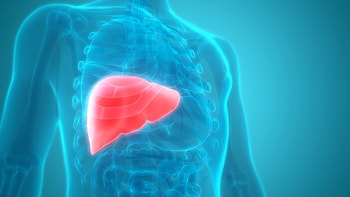

Introduction to Liver Cancer Treatment in Iran
Liver cancer, a serious condition affecting the liver, demands advanced medical expertise and comprehensive care. In Iran, a global leader in medical innovation, liver cancer treatment is delivered by expert hepatologists, oncologists, and hepatobiliary surgeons using cutting-edge technology. Iran’s blend of medical excellence, affordability, and exceptional hospitality makes it an ideal destination for patients seeking effective solutions for liver cancer. Partnering with hamintour, a trusted pioneer in medical tourism, patients experience a seamless journey, combining world-class treatment with the opportunity to recover amidst Iran’s rich cultural heritage. This comprehensive guide explores every aspect of liver cancer treatment in Iran, from diagnosis and procedures to recovery and costs, and why hamintour is your perfect partner for renewed hope and health.
Understanding Liver Cancer
Liver cancer primarily includes hepatocellular carcinoma (HCC), the most common type, and cholangiocarcinoma (bile duct cancer), with rare forms like angiosarcoma. It often arises from chronic liver conditions such as hepatitis or cirrhosis. Treatment depends on the cancer’s stage, liver function, and patient health, involving surgery, ablation, embolization, chemotherapy, targeted therapy, immunotherapy, or liver transplantation. In Iran, multidisciplinary teams achieve 5-year survival rates of 30-50% for early-stage HCC and improved quality of life for advanced cases through palliative care.
Why Choose Iran for Liver Cancer Treatment?
Iran stands out as a premier destination for liver cancer treatment due to its compelling advantages:
-
Expert Multidisciplinary Teams: Iran’s hepatologists, oncologists, and surgeons, many with international training, collaborate to deliver personalized, high-precision care.
-
Advanced Facilities: Hospitals are equipped with robotic surgery systems, intraoperative imaging, and advanced radiation technologies like stereotactic body radiotherapy (SBRT).
-
Cost-Effective Care: Liver cancer treatments in Iran cost 60-80% less than in Western countries, making cutting-edge care accessible.
-
Holistic Recovery: Hamintour enhances healing with cultural experiences, such as visits to Persepolis or Isfahan’s serene mosques, promoting emotional well-being.
Hamintour coordinates every detail, from diagnostics to post-treatment rehabilitation, ensuring a transformative journey toward recovery.
Diagnosis and Evaluation for Liver Cancer in Iran
Accurate and early diagnosis is critical for effective treatment planning. Iran’s diagnostic process is thorough and streamlined:
-
Clinical Assessment: Hepatologists evaluate symptoms like abdominal pain, weight loss, jaundice, or fatigue through detailed histories and physical exams.
-
Imaging Studies: High-resolution CT, MRI, or PET-CT scans identify tumor size, location, and metastasis, often using contrast-enhanced techniques.
-
Biopsy and Endoscopy: Ultrasound-guided liver biopsy or endoscopic tests confirm cancer type and stage.
-
Laboratory Tests: Blood work, including alpha-fetoprotein (AFP) levels, liver function tests, and hepatitis screening, assesses cancer activity and liver health.
-
Multidisciplinary Review: Teams of hepatologists, oncologists, radiologists, and surgeons stage the cancer (using BCLC or TNM systems) and design personalized treatment plans.
Hamintour facilitates rapid diagnostics, often completed within 24-48 hours, ensuring swift progression to treatment.
Types of Liver Cancer Treatment in Iran
Iran offers a comprehensive range of treatments, tailored to the cancer’s stage and patient’s condition:
-
Surgical Resection: Removal of the tumor and surrounding liver tissue for early-stage HCC, preserving as much healthy liver as possible.
-
Liver Transplantation: Replacement of the diseased liver with a donor liver, ideal for early-stage HCC with underlying cirrhosis.
-
Ablation Therapies:
-
Radiofrequency Ablation (RFA): Uses heat to destroy small tumors.
-
Microwave Ablation: Targets tumors with microwave energy, effective for localized cancers.
-
-
Transarterial Therapies:
-
Transarterial Chemoembolization (TACE): Delivers chemotherapy directly to the tumor while blocking its blood supply.
-
Transarterial Radioembolization (TARE): Uses radioactive particles to target tumors.
-
-
Chemotherapy: Systemic or regional chemotherapy for advanced cases, often combined with other therapies.
-
Targeted Therapy: Drugs like sorafenib or lenvatinib target cancer-specific pathways, used for unresectable HCC.
-
Immunotherapy: Agents like nivolumab enhance the immune system to fight cancer, particularly for advanced HCC.
-
Radiation Therapy: SBRT or proton therapy targets tumors with precision, sparing healthy tissue.
-
Palliative Procedures: Stent placement or drainage for symptom relief in advanced stages.
-
Clinical Trials: Access to cutting-edge therapies through Iran’s research hospitals.
Iran’s surgeons favor minimally invasive techniques when possible, with 70-80% of resections and ablations using laparoscopic or image-guided approaches to reduce recovery time and complications. Hamintour ensures patients are matched with subspecialists for optimal outcomes.
The Liver Cancer Treatment Process in Iran
The treatment journey in Iran is meticulously planned:
-
Pre-Treatment Preparation: Patients undergo nutritional optimization, liver function stabilization, and counseling, coordinated by hamintour.
-
Surgical Procedure: Performed under general anesthesia, resections or transplants take 4-10 hours, with intraoperative ultrasound for precision.
-
Non-Surgical Treatments: Ablation, TACE, or radiation are performed in outpatient or short-stay settings; chemotherapy is administered in cycles.
-
Intraoperative Monitoring: Advanced imaging and liver function monitoring ensure accuracy and safety.
-
Post-Treatment Care: Includes pain management, nutritional support (often with high-protein diets), and infection prevention.
Hamintour provides dedicated support, including translators and care coordinators, for a seamless experience.
Benefits of Liver Cancer Treatment in Iran
Choosing Iran for liver cancer treatment offers significant advantages:
-
High Success Rates: 30-50% 5-year survival for early-stage HCC; advanced cases see prolonged survival with targeted therapies.
-
Minimally Invasive Techniques: Laparoscopic, robotic, and image-guided procedures reduce scarring, pain, and hospital stays.
-
Comprehensive Rehabilitation: Nutritional counseling, physical therapy, and psychological support optimize recovery and liver function.
-
Holistic Healing: Hamintour’s cultural tours, such as visits to Tehran’s bazaars or Yazd’s wind towers, promote emotional well-being.
These benefits make Iran a top choice for liver cancer care.
Recovery After Liver Cancer Treatment
Recovery varies by treatment type and cancer stage:
-
Hospital Stay: Ablation or TACE requires 1-3 days; surgical resections need 5-7 days; liver transplants may require 10-14 days.
-
Immediate Post-Treatment: Patients receive pain relief, IV fluids, and gradual dietary reintroduction to support liver function and recovery.
-
Rehabilitation: Nutritional counseling (often with enzyme or vitamin supplements), physical therapy, and liver function monitoring begin within days.
-
Timeline: Light activities resume in 2-6 weeks for non-surgical treatments; surgical recovery takes 6-12 weeks. Transplant patients may need 3-6 months for full recovery.
Hamintour arranges follow-up care, including virtual consultations with hepatologists and oncologists, to monitor progress and ensure lasting results.
Costs of Liver Cancer Treatment in Iran
Liver cancer treatment in Iran is highly cost-effective:
-
Surgical Resection or Ablation: $5,000-$12,000, versus $30,000-$80,000 in the U.S.
-
Liver Transplantation: $30,000-$50,000, compared to $150,000-$300,000 abroad.
-
TACE/TARE or Chemotherapy Cycles: $2,000-$5,000 per session, versus $10,000-$20,000 abroad.
-
Comprehensive Packages: Hamintour’s all-inclusive plans, covering diagnostics, treatment, rehab, and travel, range from $4,000-$60,000.
This transparency allows patients to focus on healing without financial stress.
Why Choose Hamintour for Your Liver Cancer Treatment?
Hamintour redefines medical tourism with:
-
Seamless Logistics: Visa support, airport transfers, and tailored accommodations.
-
Elite Partnerships: Access to Iran’s top hepatobiliary and oncology centers, such as Tehran’s Milad Hospital.
-
Cultural Immersion: Guided tours to Persepolis or Kashan’s rose gardens enrich recovery.
-
24/7 Support: Multilingual staff and care coordinators ensure constant reassurance.
Hamintour transforms treatment into a journey of healing and hope.
Preparing for Liver Cancer Treatment in Iran
To ensure a smooth experience:
-
Medical Records: Provide imaging (CT/MRI/PET), biopsy results, liver function tests, and medical history; hamintour digitizes for efficiency.
-
Travel Planning: Hamintour handles visas, flights, and lodging arrangements.
-
Post-Treatment Support: Arrange a companion for initial recovery, especially for major surgeries like resection or transplantation.
-
Cultural Prep: Embrace Iran’s heritage with hamintour’s cultural guides to enhance your journey.
Risks and Considerations
Risks, such as post-surgical bleeding (2-5%), infection, or liver dysfunction, are minimized by Iran’s advanced protocols and multidisciplinary care. For transplants, rejection risks are managed with immunosuppression. Hamintour ensures transparent discussions about benefits and risks, fostering informed decisions.
Why Iran Excels in Medical Tourism
Iran’s fusion of medical innovation and cultural richness—rooted in centuries of healing traditions—creates a unique environment for recovery. Hamintour amplifies this, offering patients not just treatment but a transformative experience that blends clinical excellence with Iran’s vibrant heritage.
Conclusion
Liver cancer treatment in Iran offers a life-changing solution for a complex disease, combining expert care, innovative technology, and hamintour’s compassionate support. Affordable, effective, and enriched by Iran’s cultural allure, this journey provides hope and restores vitality. Choose Iran, choose hamintour, and embark on a path to renewed well-being.
Frequently Asked Questions (FAQs)
-
What is liver cancer treatment?
It includes surgery, ablation, embolization, chemotherapy, targeted therapy, immunotherapy, or liver transplantation to treat liver tumors. -
How is liver cancer diagnosed in Iran?
Through CT/MRI, biopsy, AFP tests, and liver function assessments for precise staging. -
Are liver cancer treatments in Iran minimally invasive?
Yes, 70-80% of resections and ablations use laparoscopic or image-guided techniques, reducing recovery time. -
How long is recovery after liver cancer treatment?
Ablation/TACE: 2-6 weeks; surgical resection: 6-12 weeks; transplants: 3-6 months. -
What are the risks of liver cancer treatment?
Risks like bleeding (2-5%) or liver dysfunction are managed with advanced protocols. -
Can liver cancer treatment in Iran improve survival?
Yes, early-stage HCC achieves 30-50% 5-year survival; advanced cases benefit from prolonged survival and palliation. -
What makes Iran’s liver cancer treatment centers exceptional?
Expert teams, advanced technology, and affordable care deliver world-class outcomes. -
How does hamintour support liver cancer patients?
By managing logistics, connecting to top specialists, and offering cultural experiences for holistic recovery. -
Are language barriers an issue in Iranian hospitals?
No, English-speaking staff and hamintour interpreters ensure clear communication. -
Why choose hamintour for liver cancer treatment in Iran?
For personalized care, elite medical access, and a culturally rich journey that transforms healing.