
Transform Your Life with Gastric Sleeve Surgery
Struggling with persistent weight gain despite diets and exercise? Gastric sleeve surgery, or sleeve gastrectomy, is a highly effective bariatric procedure that can help you achieve significant, sustainable weight loss. By reducing the stomach’s capacity by about 75%, this surgery limits food intake and suppresses hunger hormones, paving the way for a healthier lifestyle. hamintour, Iran’s premier medical tourism company, connects patients with top bariatric surgeons in Iran, offering world-class procedures at 50-70% lower costs than Western countries. This comprehensive guide addresses the top seven questions about gastric sleeve surgery, covering eligibility, procedure details, recovery, risks, and why Iran is a leading destination for this life-changing surgery.
Understanding Gastric Sleeve Surgery
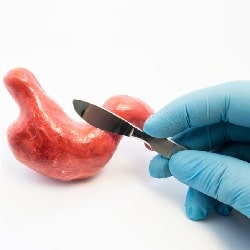
Gastric sleeve surgery involves removing approximately 75% of the stomach, leaving a banana-shaped “sleeve” that holds significantly less food. This reduction curbs appetite by lowering ghrelin (the hunger hormone) production and restricts meal sizes, promoting rapid weight loss. Typically performed laparoscopically, the procedure minimizes scarring and speeds recovery. hamintour’s partner clinics in Iran use advanced laparoscopic systems, ensuring precision and safety for optimal outcomes.
Top 7 Things to Know About Gastric Sleeve Surgery
1. Am I Eligible for Gastric Sleeve Surgery?
Answer: Candidates typically have:
-
A Body Mass Index (BMI) of 35 or higher, or 30-35 with obesity-related conditions like type 2 diabetes, hypertension, or sleep apnea.
-
A history of unsuccessful weight loss attempts through diet or exercise.
-
A commitment to lifelong dietary and lifestyle changes.
Eligibility also depends on overall health and psychological readiness. hamintour offers free consultations with Iran’s leading bariatric specialists to assess BMI and suitability, ensuring personalized treatment plans tailored to your health goals.
2. How Is Gastric Sleeve Surgery Performed?
Answer: The procedure, lasting about 60 minutes, is performed under general anesthesia using laparoscopic techniques:
-
Small Incisions: Surgeons make 3-5 small cuts (largest ~3 cm) in the upper abdomen to insert a laparoscope and surgical tools.
-
Stomach Reduction: Approximately 75% of the stomach is removed, leaving a narrow sleeve.
-
Leak Testing: An upper endoscopy or dye study ensures the remaining stomach is secure.
Laparoscopic methods reduce pain, hernias, and scarring compared to open surgery. hamintour’s Iranian clinics use state-of-the-art equipment, ensuring minimally invasive procedures with high success rates.
3. What Is the Recovery Period Like?
Answer: Recovery is relatively quick, with:
-
Hospital Stay: 1-3 days, with light walking encouraged within hours to promote circulation.
-
Return to Work: Most patients resume normal activities within 1-2 weeks, though full recovery takes 4-6 weeks.
-
Diet Progression:
-
Days 1-2: Clear liquids (water, broth) to stay hydrated.
-
Weeks 1-2: Pureed foods (yogurt, mashed vegetables).
-
Weeks 3-4: Soft foods (eggs, cottage cheese).
-
After 4 Weeks: Gradual return to solid foods, emphasizing small, protein-rich meals.
-
Patients must chew thoroughly, avoid drinking with meals, and take lifelong supplements (e.g., vitamin D, B12, calcium) to prevent deficiencies. hamintour’s nutritionists provide tailored dietary plans and monthly blood test monitoring for a year to ensure optimal recovery.
4. Will I Regain Weight After Gastric Sleeve Surgery?
Answer: Most patients lose 60-78% of excess weight within 1-2 years, but minor weight regain (5-10%) is common after two years if dietary and exercise guidelines aren’t followed. To minimize regain:
-
Stick to small, nutrient-dense meals.
-
Exercise regularly (30 minutes daily, e.g., walking or strength training).
-
Attend follow-up appointments to monitor progress.
hamintour’s long-term support in Iran includes nutrition counseling and lifestyle coaching to maintain weight loss and prevent significant regain.
5. What Are the Risks of Gastric Sleeve Surgery?
Answer: As a major surgery, gastric sleeve carries risks, though complications are rare (less than 5% with experienced surgeons):
-
Common Risks: Infection, bleeding, blood clots, nausea, vomiting, constipation, or adverse reactions to anesthesia.
-
Rare Risks: Stomach leaks (1-2%), requiring prompt treatment.
-
Special Considerations:
-
Women planning pregnancy should wait 12-18 months post-surgery to ensure nutritional stability.
-
Patients with type 2 diabetes face slightly higher risks and need close monitoring.
-
hamintour’s partner surgeons in Iran are highly skilled, using advanced techniques to minimize complications, with comprehensive post-op care to address any issues promptly.
6. Will I Need Plastic Surgery After Gastric Sleeve?
Answer: Losing 60-78% of excess weight can lead to loose, sagging skin, particularly in the abdomen, thighs, or arms. While some patients conceal excess skin with clothing, others opt for plastic surgery (e.g., tummy tuck, arm lift, thigh lift) for a contoured appearance. Key points:
-
Wait 12-18 months post-surgery for skin to stabilize.
-
Multiple procedures may be needed for full-body contouring.
hamintour connects patients with Iran’s top plastic surgeons, offering affordable body contouring packages to address excess skin, enhancing both aesthetics and comfort.
7. Do I Need a Pre-Surgery Diet?
Answer: Yes, most surgeons recommend a pre-operative diet for 2-4 weeks to:
-
Reduce abdominal and liver fat, making surgery safer.
-
Lower surgical risks by improving overall health.
-
Typically includes low-carb, low-fat, high-protein meals and hydration focus.
hamintour’s nutritionists in Iran design personalized pre-op diets, ensuring patients are optimally prepared for surgery, with support to maintain compliance.
Why Choose hamintour for Gastric Sleeve Surgery in Iran?
Iran is a global leader in bariatric surgery, with advanced facilities and highly trained surgeons offering procedures at unmatched prices. hamintour enhances this with:
-
Affordable Excellence: Gastric sleeve surgery costs 50-70% less than in the U.S. or Europe, with comprehensive packages covering consultations, surgery, and aftercare.
-
Expert Surgeons: hamintour partners with board-certified bariatric specialists skilled in laparoscopic techniques for minimal scarring and quick recovery.
-
Seamless Support: From visa assistance to multilingual interpreters and tailored nutrition plans, hamintour ensures a stress-free experience.
-
Cultural Recovery: Recover while exploring Iran’s rich heritage, from the ancient ruins of Persepolis to the serene gardens of Shiraz, blending healing with cultural immersion.
With hamintour, gastric sleeve surgery becomes a transformative journey toward health and confidence, backed by world-class care and affordability.
Frequently Asked Questions About Gastric Sleeve Surgery
-
Who is eligible for gastric sleeve surgery?
Those with a BMI of 35+ or 30+ with obesity-related conditions. hamintour offers free consultations to confirm suitability. -
How much weight will I lose?
Expect 60-78% excess weight loss within 1-2 years. hamintour’s support ensures sustained results through lifestyle changes. -
Is gastric sleeve surgery safe in Iran?
Yes, with experienced surgeons and advanced facilities, risks are minimal. hamintour partners with top clinics for optimal safety. -
Will I need plastic surgery for loose skin?
Many patients opt for body contouring after 12-18 months. hamintour provides affordable plastic surgery options in Iran. -
Why choose Iran for gastric sleeve surgery?
Iran offers top-tier surgeons, advanced technology, and costs 50-70% lower than Western countries, with hamintour ensuring a seamless, culturally enriching experience.