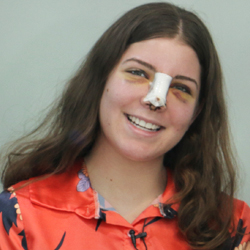

Overview
Rhinoplasty, or a nose job, is a transformative procedure that enhances both the appearance and function of the nose. While the surgery itself is critical, proper recovery is equally important to achieve optimal results and avoid complications. This SEO-optimized guide, approved by Dr. Shokrzadeh and brought to you by hamintour, provides a comprehensive overview of rhinoplasty recovery, including quick tips, aftercare instructions, side effects, nasal exercises, and when to expect final results. Whether you’re seeking a smoother recovery or aiming to maximize your outcome, this guide covers everything you need to know.
Quick Rhinoplasty Recovery Tips
To ensure a speedy and successful recovery, follow these essential tips:
-
Rest Well: Sleep 7–8 hours nightly with your head elevated to reduce swelling.
-
Follow Doctor’s Instructions: Adhere to prescribed medications and post-op guidelines.
-
Contact Your Surgeon: Report any unusual symptoms immediately.
-
Use Cold Compresses: Apply around (not on) the nose to minimize swelling.
-
Avoid Anti-Inflammatories: Skip aspirin or ibuprofen unless approved by your surgeon.
-
Maintain a Healthy Diet: Eat nutrient-rich, soft foods and avoid spicy or hot meals.
-
Avoid Strenuous Activities: Refrain from heavy exercise for 3–6 weeks.
-
Don’t Blow Your Nose: Use saline spray to manage nasal congestion.
-
Avoid Glasses: Use contact lenses or special glasses for 6 weeks post-splint removal.
-
Stop Smoking: Avoid all forms of nicotine for 2–4 weeks pre- and post-surgery.
-
Be Patient: Recovery takes time, but results are worth it.
Hamintour Tip: Patience and diligence during recovery are key to achieving your desired nose shape and function.
Nose Surgery Aftercare
Proper aftercare is crucial to prevent complications and ensure a smooth recovery. Below are detailed guidelines for rhinoplasty aftercare:
1. Doctor Visits
-
Why It Matters: Your surgeon knows your specific case and can provide tailored advice.
-
Action:
-
Attend all scheduled post-op appointments.
-
Contact your surgeon immediately if you notice unusual symptoms (e.g., severe bleeding, fever).
-
-
Hamintour Advice: Never skip follow-ups, as they help monitor healing and address issues early.
2. Sleeping
-
Why It Matters: Sleep supports tissue repair by boosting energy for healing.
-
Tips:
-
Aim for 7–8 hours of sleep nightly.
-
Keep your head elevated (e.g., with extra pillows) to reduce swelling and improve blood flow.
-
Manage pain with prescribed medications to ensure restful sleep.
-
-
Note: Post-op pain may disrupt sleep initially, but it typically subsides within days.
3. Healthy Diet
A nutritious diet fuels recovery. Follow these dietary guidelines:
-
Day of Surgery:
-
Do: Eat soft, easily digestible foods (e.g., chicken soup, mashed potatoes, cooked vegetables).
-
Drink: Stay hydrated with water, mango, or pineapple juice (avoid acidic juices like orange).
-
Avoid: Hard foods, dairy, spicy foods, or using straws (can cause nasal pain).
-
-
First Week:
-
Do: Eat nutrient-rich, soft foods to support healing despite reduced appetite.
-
Prepare: Stock up on food pre-surgery or stay in a hotel with kitchen access for fresh meals.
-
Avoid: Hot, spicy, or processed foods; biting into sandwiches for 2 weeks.
-
-
Long-Term: Focus on whole, unprocessed foods for optimal recovery.
-
Hamintour Tip: Plan meals in advance to avoid dietary stress during recovery.
4. Medications
-
Why It Matters: Medications manage pain and prevent complications.
-
Guidelines:
-
Take prescribed medications exactly as directed.
-
Avoid aspirin, ibuprofen, or herbal supplements for 2 weeks pre- and post-surgery, as they increase bleeding risk.
-
Use only surgeon-approved medications or supplements.
-
-
Hamintour Note: Trust your surgeon’s prescription to ensure safe healing.
5. Daily Activities
Certain activities can disrupt healing. Here’s how to manage common tasks:
-
Brushing Teeth: Brush gently to minimize upper lip movement.
-
Blowing Nose/Sneezing:
-
Avoid blowing your nose; use saline spray for congestion.
-
Sneeze through your mouth to avoid nasal pressure.
-
-
Driving: Avoid driving for a few days due to lingering anesthesia effects or medication side effects (e.g., slowed reaction time).
-
Showering: Take baths (lukewarm water) instead of showers while bandages are on to keep the nose dry.
-
Smoking: Stop completely for 2–4 weeks pre- and post-surgery to prevent delayed healing and infections.
-
Alcohol: Avoid for 3 weeks, as it interacts with pain medications (e.g., acetaminophen) and may harm kidneys.
-
Makeup: Apply makeup away from the surgical area; avoid pressure on the nose for 3–4 weeks.
-
Sexual Activity: Avoid for 10 days, as adrenaline can cause inflammation or bleeding.
-
Facial Expressions: Minimize crying, laughing, or smiling to prevent nasal pressure.
-
Physical Contact: Avoid rubbing, hitting, or bumping your nose to prevent deformation or re-injury.
6. Returning to Work
-
Timeline: Most patients return to work or school within 1 week, as swelling and bruising subside.
-
Note: Stitches/scarring are typically not visible after 2–3 weeks.
-
Hamintour Advice: Take at least 1 week off to focus on recovery, especially for physically demanding jobs.
7. Sports and Physical Activities
Strenuous activities can delay healing or cause complications. Follow these guidelines:
-
Walking: Light walking (15–20 minutes daily) from day 3–7 improves circulation and reduces swelling.
-
Strenuous Activities: Avoid gym workouts, running, jogging, or contact sports for 3–6 months to prevent injury or prolonged swelling.
-
Swimming/Sauna/Steam Rooms: Avoid for 4–6 weeks due to risks of infection, nosebleeds, or increased swelling from hot air/water.
-
Sun Exposure: Avoid direct sunlight to prevent sunburn, swelling, or darkened scars.
-
Lifting/Bending:
-
Avoid heavy lifting for 4–6 weeks.
-
Light exercise on low-intensity machines (e.g., treadmill, stepper) is okay after 2 weeks, ensuring hydration and ventilation.
-
8. Wearing Glasses
-
With Splint (First Week): Glasses are safe, as the splint protects the nose.
-
Post-Splint Removal: Avoid glasses/sunglasses for 6 weeks to prevent pressure on healing nasal bones, which may cause deformation.
-
Solutions for Vision Needs:
-
Use contact lenses.
-
Try ultra-light post-rhinoplasty glasses that don’t rest on the nasal bridge.
-
Tape glasses to the forehead using nasal supports.
-
-
Long-Term: Limit glasses use for 6 months to ensure stable results.
Hamintour Tip: Discuss vision solutions with your surgeon to avoid compromising your nose’s new shape.
Rhinoplasty Recovery Tips for Nose Splint Removal
Nose splints (internal or external) stabilize the nose post-surgery and aid healing. Here’s what to know:
1. When Are Splints Removed?
-
External Splints: Typically removed after 6–7 days.
-
Internal Splints/Tampons: Removed within hours to a few days, depending on bleeding or surgical needs.
-
Note: Removal timing varies by case; your surgeon will schedule it.
2. Taping After Splint Removal
-
Purpose: Taping supports the nasal structure, reduces swelling, and helps skin conform to the new bone/cartilage shape.
-
How to Tape:
-
Cut thin nose tape into four 15 cm x 2.5 cm strips.
-
Start at the nasal bridge, overlapping each strip by half the width of the previous one.
-
Tape the nose tip tightly, pointing upward.
-
Remove tape gently during showers (soak first, peel slowly, dry carefully, use alcohol for glue residue).
-
-
Frequency: Change tape twice weekly.
-
Duration: Tape for 1–2 months post-surgery, as advised by your surgeon.
3. Nasal Tampons
-
Use: Only for severe bleeding to control blood flow.
-
Modern Practice: Tampon-less procedures are common with advanced techniques, as insertion/removal can be painful.
-
Hamintour Advice: Discuss tampon use with your surgeon to understand if it’s necessary for your case.
Nose Job Side Effects to Expect
Rhinoplasty is generally safe, but side effects are common. Here’s how to manage them:
1. Pain
-
What to Expect: Mild to moderate pain for 36–72 hours; nose remains tender for up to 3 months.
-
Management: Use prescribed pain medications; avoid touching the nose.
2. Wound/Incision Care
-
What to Expect: External stitches stay clean/dry; dissolvable stitches disappear in 1–2 weeks.
-
Management:
-
Apply hydrogen peroxide to suture lines inside the nose daily (use Q-tip).
-
Use antibiotic ointment on nostrils/incisions twice daily.
-
Use a humidifier to maintain moisture; prefer baths over showers.
-
Contact your surgeon for persistent bleeding, redness, or infection.
-
3. Swelling
-
What to Expect:
-
90% of swelling subsides in 2–8 weeks.
-
Tip swelling may persist for up to 1 year.
-
-
Management:
-
Elevate head during sleep.
-
Use cold compresses around (not on) the nose.
-
Follow a low-sodium diet to reduce fluid retention.
-
4. Bruising
-
What to Expect: Discoloration around eyes/nose due to blood vessel trauma; resolves in 1–2 weeks.
-
Management:
-
Rest and elevate head.
-
Apply ice packs around eyes (avoid nose).
-
Stay hydrated and follow a low-sodium diet.
-
Avoid blood thinners, smoking, and hot showers.
-
5. Bleeding
-
What to Expect: Mild bleeding/mucus drainage for a few days; managed with drip pads.
-
Management:
-
Change gauze as directed.
-
Avoid strenuous activities or nose blowing.
-
Report severe bleeding to your surgeon.
-
6. Breathing Problems
-
What to Expect: Temporary difficulty due to swelling; resolves as swelling subsides.
-
Management: Use saline spray; consult your surgeon if breathing issues persist.
7. Numbness
-
What to Expect: Temporary numbness in the nose tip, upper teeth, or mouth roof due to nerve disruption.
-
Duration: Resolves in weeks to months.
-
Management: Monitor with your surgeon if numbness persists beyond a few months.
8. Fever
-
What to Expect: Low-grade fever (<101.5°F) due to mild lung congestion; resolves in 1–2 days.
-
Management: Rest and hydrate; contact your surgeon for fever >101°F.
9. Lip Dryness
-
What to Expect: Dry mouth/lips from mouth breathing during early recovery.
-
Management:
-
Drink plenty of water.
-
Apply lip balm to prevent cracking.
-
Use a humidifier, especially in dry climates or winter.
-
10. Emergency Cases
-
Warning Signs: Contact your surgeon or visit the ER for:
-
Severe nosebleeding, pus, or cloudy discharge.
-
Uncontrollable pain, blisters, or implant/graft issues.
-
High fever (>101°F), severe swelling, or blackening skin.
-
Vomiting, loss of consciousness, or convulsions.
-
-
Preparation:
-
Keep emergency contacts (surgeon, hospital) handy.
-
Pack an overnight bag with medications.
-
Document symptoms/photos for your surgeon.
-
Hamintour Warning: Act quickly for emergency symptoms to prevent serious complications.
Nasal Exercises or Massages
-
Purpose: For patients with broken nasal bones, massages prevent bone drift and stabilize the new shape.
-
When: Start after splint removal (5–7 days) and continue for 6–8 weeks until bones fuse.
-
Technique:
-
Apply firm pressure to the nasal bone (upper third of the bridge) using thumb and finger.
-
Avoid pushing the top of the bridge to prevent bone displacement.
-
Press until mild pain is felt, hold for 1 minute, repeat 20–30 times daily.
-
Focus on one or both sides as directed by your surgeon for symmetry.
-
-
Hamintour Note: Follow your surgeon’s guidance to avoid improper pressure that could affect results.
When to See Final Results?
-
Initial Results: Visible immediately post-surgery, with 90% of results apparent after 3 weeks as swelling subsides.
-
Final Results: Full resolution of swelling (especially at the tip) takes 6–12 months.
-
Hamintour Insight: Most patients are thrilled with early improvements, but patience is key for the final refined shape.
Why Choose hamintour for Your Rhinoplasty Recovery?
At hamintour, we partner with experienced surgeons like Dr. Shokrzadeh to provide comprehensive rhinoplasty packages, including pre-op preparation, surgery, and personalized aftercare. Our team offers free consultations, recovery guidance, and support to ensure a smooth healing process. Contact us today to learn more or see before-and-after photos and patient testimonials.
Frequently Asked Questions (FAQs)
1. How long does rhinoplasty recovery take?
Most patients return to work in 1 week, with 90% of swelling gone in 2–8 weeks. Full results take 6–12 months.
2. Can I blow my nose or sneeze after rhinoplasty?
Avoid blowing your nose for at least 2 weeks; sneeze through your mouth to prevent nasal pressure.
3. When can I wear glasses after rhinoplasty?
Avoid glasses for 6 weeks post-splint removal; use contact lenses or special nasal supports.
4. What should I do if I experience severe side effects?
Contact your surgeon immediately for symptoms like severe bleeding, high fever (>101°F), or pus. Visit the ER for emergencies like convulsions or loss of consciousness.
5. Are nasal exercises necessary for all rhinoplasty patients?
Only for those with broken nasal bones; consult your surgeon for personalized instructions.
Disclaimer
This article is intended for general informational purposes only and is not a substitute for professional medical advice. Always consult a qualified surgeon for diagnosis and treatment of rhinoplasty-related concerns or before undergoing surgery.
This content has been reviewed by medical experts at hamintour, including Dr. Shokrzadeh. For more details, visit our physician review page.