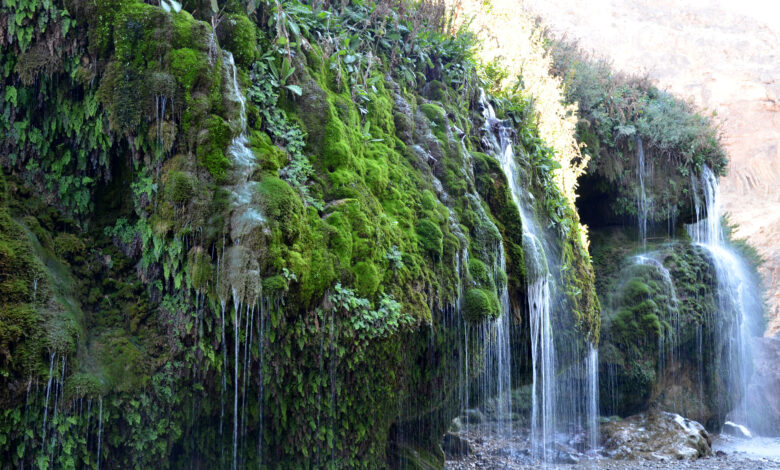

Tucked away in the rugged landscapes of East Azerbaijan Province, Asiab Kharabeh Waterfall—known locally as “The Ruined Mill Waterfall”—is a breathtaking blend of natural beauty and historical charm. Often described as “where nature whispers history,” this lesser-known treasure near Jolfa offers a serene escape from Iran’s bustling tourist trails. Nestled in a lush canyon along the Aras River, close to the border with Azerbaijan, the waterfall cascades over mossy rocks, surrounded by the remnants of an ancient mill powered by mountain springs. Whether you’re a nature lover, a history enthusiast, or a traveler seeking off-the-beaten-path adventures, Asiab Kharabeh deserves a spot on your Iran itinerary. This comprehensive guide explores everything you need to know about visiting this captivating destination, from its unique features to practical travel tips.
Where Is Asiab Kharabeh Waterfall?
A Remote Oasis in Northwest Iran
Located in the heart of East Azerbaijan, Asiab Kharabeh Waterfall lies approximately 30 kilometers east of Jolfa and 27 kilometers from Hadishahr (also known as Alamdar Gargar). The nearby village of Manjanabad, just 5 kilometers away, sits along the scenic Aras River, which forms a natural border between Iran and the Republic of Azerbaijan. Part of the Aras UNESCO Global Geopark, this waterfall is nestled in a verdant canyon, offering a peaceful retreat amidst dramatic landscapes.
How to Reach Asiab Kharabeh
Getting to Asiab Kharabeh requires a bit of planning, as it’s off the main tourist routes. Here’s a step-by-step guide:
-
Start from Tabriz: Begin your journey in Tabriz, the capital of East Azerbaijan, and follow the road to Marand.
-
Head to Jolfa: Continue toward Jolfa, a border town known for its cultural significance.
-
Route to Hadishahr: From Jolfa, take the road toward Hadishahr.
-
Dirt Road to the Waterfall: At the Hadishahr junction, turn right onto a dirt road leading toward the Iran-Azerbaijan border. A short trail from here guides you into the lush canyon where Asiab Kharabeh awaits.
For detailed directions and travel planning, visit hamintour’s East Azerbaijan Travel Guide. The journey from Tabriz covers about 106 kilometers, making it a manageable day trip or part of a broader northwest Iran adventure.
Why Asiab Kharabeh Stands Out
A Symphony of Nature and History
Known in Azeri Turkish as “Kharaba Deyirman” (Broken Mill), Asiab Kharabeh is more than just a waterfall—it’s a living testament to nature’s artistry and human ingenuity. The 15-meter-tall waterfall originates from the Kiamaki Mountain springs in the Dizmar region of Marand County, cascading over moss-covered rocks into a narrow stream that flows north toward the Aras River. The surrounding canyon, alive with ferns, wildflowers, and small fish habitats, creates a serene and photogenic setting.
What makes this spot truly special is its soundtrack: the main waterfall is accompanied by smaller cascades on the canyon’s right side, creating a natural melody that echoes through the valley. The combination of lush greenery, rugged cliffs, and historical ruins makes Asiab Kharabeh a unique destination for travelers seeking both beauty and cultural depth. For photography enthusiasts, the interplay of water, light, and stone offers endless creative possibilities.
Nature’s Dynamic Canvas
Fed by glacial meltwater and underground springs, the canyon bursts with life, especially during wetter months when the waterfall’s flow intensifies. The contrast between the verdant canyon and the arid mountains of East Azerbaijan creates a striking visual. However, caution is advised: a 2013 rockfall caused by heavy ice highlights the need to heed warning signs and stay alert, especially after harsh winters.
For more on Iran’s natural wonders, explore hamintour’s Iran Nature Guide.
Best Time to Visit for Stunning Views
Seasonal Beauty at Its Peak
The ideal time to visit Asiab Kharabeh Waterfall is during spring (April–June) and summer (July–September), when mild weather and lush greenery make the canyon a welcoming oasis. Spring brings vibrant flora and a cool breeze, perfect for hiking and photography, while summer offers clear skies and accessible roads. The waterfall’s flow is at its strongest during these seasons, creating a dramatic backdrop for your visit.
Autumn and Winter Considerations:
-
Autumn (October–November) paints the canyon with golden foliage, offering a warm, photogenic palette. However, temperatures begin to drop, and trails may become slippery.
-
Winter (December–March) transforms the waterfall into a frozen spectacle, but snow and ice can make the dirt road and trails challenging. Dress warmly, wear sturdy boots, and exercise caution if visiting during colder months.
For seasonal travel tips, check out hamintour’s Iran Seasonal Guide.
The Ancient Mill: A Historical Treasure
Echoes of a Bygone Era
At the heart of Asiab Kharabeh lies the remnants of a 10-meter-high stone mill, once a vital hub for local villagers who used its water-powered mechanism to grind wheat. Though no longer operational, the mill’s weathered stones add a layer of historical intrigue, giving the site its evocative name, “The Ruined Mill Waterfall.” Recent restoration efforts have made the area more accessible, preserving its charm while ensuring visitor safety.
The mill’s ruins, set against the cascading water and lush canyon, offer a unique opportunity for photographers to capture the intersection of human history and natural beauty. Wander around the site to imagine the generations who once worked here, their lives intertwined with the rhythm of the springs. For more on Iran’s historical sites, see hamintour’s Iran Historical Guide.
Facilities and Nearby Attractions
A Well-Equipped Eco-Tourism Haven
Asiab Kharabeh has evolved from a remote waterfall into a maintained eco-tourism destination, offering a range of amenities to enhance your visit:
-
Restrooms: Clean facilities for visitor comfort.
-
Picnic Shelters (Ālākchīq): Traditional shelters perfect for relaxing or enjoying a meal.
-
Parking: Ample space for vehicles, including cars and tour buses.
-
Small Market: Purchase snacks, souvenirs, or local crafts.
-
Food Stalls and Restaurant: Basic dining options offering local dishes and refreshments.
Nearby Attractions to Explore
The Jolfa region is rich with cultural and natural landmarks, making it easy to extend your adventure:
-
St. Stepanos Monastery: A UNESCO World Heritage site, this 9th-century Armenian church, located 15 km from Jolfa, features stunning architecture and historical significance.
-
Aras River Landscapes: Ideal for scenic walks, photography, and birdwatching along the Iran-Azerbaijan border.
-
Border Bazaar: A vibrant market near Jolfa for souvenirs, spices, and cultural immersion.
-
Kordasht Village: A picturesque village with a historic bathhouse and serene river views, perfect for a tranquil escape.
For more regional highlights, visit hamintour’s Jolfa Travel Guide.
Essential Tips for First-Time Visitors
Plan a Seamless Visit
To make your trip to Asiab Kharabeh unforgettable, keep these practical tips in mind:
-
Wear Sturdy Shoes: The canyon’s uneven and sometimes slippery trails require good footwear.
-
Avoid Post-Rain Visits: Heavy rains increase the risk of rockfalls, so check weather forecasts.
-
Protect the Environment: Stick to marked paths to preserve the delicate moss and flora.
-
Bring Cash: ATMs are unavailable, and many vendors don’t accept cards.
-
Visit Early: Early mornings or weekdays offer a quieter experience with fewer crowds.
-
Pack Essentials: Bring sunscreen, water, and a hat for sun protection, especially in summer.
For more travel hacks, explore hamintour’s Iran Travel Tips.
How to Get There from Major Cities
Your Route to Asiab Kharabeh
Asiab Kharabeh is accessible from several key locations in East Azerbaijan:
-
From Tabriz: Approximately 106 km (1.5–2 hours by car). Follow the road to Marand, then Jolfa, and take the Hadishahr junction to the dirt road.
-
From Jolfa: About 30 km (30–40 minutes). Head east toward Hadishahr and follow the dirt road to the waterfall.
-
From Hadishahr: Just 27 km (25–30 minutes) via the dirt road.
-
From Manjanabad Village: A quick 5 km (10–15 minutes) to the trailhead.
No direct public transport serves the waterfall, so renting a car or hiring a taxi from Tabriz or Jolfa is recommended. For transportation options, check hamintour’s Iran Transportation Guide.
Discovering East Azerbaijan’s Cultural Heritage
A Region of Stories and Landscapes
East Azerbaijan is a treasure trove of natural beauty and cultural heritage, with Asiab Kharabeh Waterfall as one of its hidden gems. Beyond the provincial capital of Tabriz, the region offers a unique blend of borderland culture, ancient history, and stunning landscapes. The waterfall, part of the Aras UNESCO Global Geopark, connects visitors to a living landscape where generations once gathered to mill grain, share stories, and live in harmony with nature.
This site isn’t just a scenic stop—it’s a portal to Iran’s northwest heritage, where the Aras River, rugged canyons, and historic ruins tell a story of resilience and beauty. For travelers seeking authentic experiences beyond Iran’s mainstream destinations, Asiab Kharabeh is a must-visit.
Plan your adventure with hamintour for expert-guided tours, visa support, and local accommodations through hamintour’s Travel Services. Have a favorite off-the-beaten-path spot in Iran? Share it in the comments below!