
Introduction to Bladder Cancer and Its Global Relevance
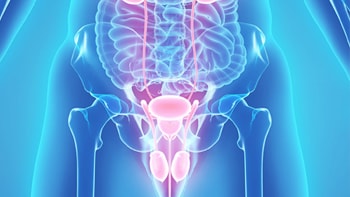
Bladder cancer, a malignancy originating in the lining of the bladder, affects over 600,000 people annually worldwide, with an estimated 200,000 new cases in 2025 alone. As the sixth most common cancer globally, it disproportionately impacts men and individuals over 55, though its reach spans all demographics. The disease often begins as superficial tumors but can progress to invasive forms, infiltrating the bladder’s muscular walls and, in severe cases, metastasizing to lymph nodes, lungs, or bones. Symptoms like blood in urine (hematuria), frequent urination, or pelvic pain often prompt diagnosis, but subtle onset can delay detection, making early intervention critical.
The primary risk factors—smoking, occupational exposure to chemicals like aromatic amines, and chronic bladder infections—account for up to 70% of cases. In regions like Iran, where industrial activities and tobacco use intersect with genetic predispositions, incidence rates are rising by 2-4% annually. Yet, Iran has emerged as a global leader in bladder cancer care, offering advanced diagnostics, innovative therapies, and unparalleled affordability. hamintour, a trailblazer in medical tourism, elevates this experience by providing seamless access to world-class treatments while immersing patients in Iran’s rich cultural tapestry. This article explores Iran’s cutting-edge approaches to bladder cancer treatment, highlighting why hamintour is the ideal partner for transformative healing journeys.
Iran’s healthcare system combines JCI-accredited hospitals, pioneering research, and costs up to 60% lower than in Western countries. From robotic surgeries to immunotherapy, the nation’s oncology centers deliver outcomes rivaling global standards, with five-year survival rates for early-stage disease exceeding 80%. hamintour enhances this by curating personalized care plans, integrating medical excellence with wellness activities like thermal spa visits and cultural tours, ensuring patients leave not just treated but rejuvenated.
Understanding Bladder Cancer: Types and Risk Factors
Bladder cancer primarily manifests as urothelial carcinoma, comprising 90% of cases, which arises in the bladder’s inner lining. Other forms include squamous cell carcinoma, linked to chronic irritation from infections or catheters, and adenocarcinoma, a rare subtype tied to glandular tissues. Non-muscle-invasive bladder cancer (NMIBC), confined to the mucosa, accounts for 75% of diagnoses and is highly treatable, while muscle-invasive bladder cancer (MIBC) demands aggressive intervention due to its 40% metastasis risk.
Smoking, responsible for 50% of cases, introduces carcinogens that linger in urine, damaging bladder epithelium. Occupational hazards, prevalent in Iran’s petrochemical and textile sectors, elevate risk, as do parasitic infections like schistosomiasis in rural areas. Genetic mutations, such as FGFR3 or TP53 alterations, drive 20-30% of cases, guiding targeted therapies. Iran’s national cancer screening programs emphasize urine cytology and cystoscopy for high-risk groups, detecting 85% of early tumors.
hamintour collaborates with clinics to offer pre-travel risk profiling, using telehealth to assess family history and lifestyle factors. This proactive approach, coupled with Iran’s low-dose CT and MRI capabilities, ensures early detection, boosting survival odds significantly.
Diagnosis: Cutting-Edge Tools for Precision in Iran
Diagnosing bladder cancer requires a multi-pronged strategy, and Iran’s oncology hubs excel in precision. Initial evaluation involves urinalysis to detect hematuria and urine cytology to identify abnormal cells, with a sensitivity of 60-80% for high-grade tumors. Cystoscopy, a minimally invasive procedure using a flexible scope, visualizes bladder lesions directly, achieving 95% accuracy when paired with fluorescence-guided techniques.
Advanced imaging, including multiparametric MRI and PET-CT, maps tumor extent and nodal involvement, critical for staging per the TNM system (T1-T4, N0-N3, M0-M1). Molecular diagnostics, like next-generation sequencing (NGS), identify actionable mutations in 25% of cases, enabling personalized therapy. Iran’s Milad Hospital in Tehran leads in liquid biopsies, analyzing circulating tumor DNA to monitor recurrence non-invasively, with results in 7-10 days.
hamintour streamlines diagnostics by arranging pre-arrival imaging reviews and coordinating multidisciplinary tumor boards, ensuring rapid, accurate staging. Patients benefit from English-speaking coordinators and virtual consults, minimizing delays and aligning treatments with global protocols.
Treatment Options: Comprehensive and Innovative Approaches in Iran
Iran’s bladder cancer treatment landscape spans surgical, pharmacological, and radiotherapeutic modalities, tailored to disease stage and patient needs. For NMIBC, transurethral resection of bladder tumor (TURBT) removes superficial lesions, with 90% success in preventing recurrence when followed by intravesical therapy. Bacillus Calmette-Guérin (BCG) immunotherapy, instilled directly into the bladder, reduces progression risk by 35%, while mitomycin-C chemotherapy suits BCG-intolerant patients.
MIBC often requires radical cystectomy, removing the bladder and creating a urinary diversion (e.g., ileal conduit or neobladder). Iran’s robotic-assisted surgeries, performed at centers like Shiraz’s Namazi Hospital, cut recovery time to 5-7 days versus 14 abroad, with complication rates below 10%. Partial cystectomy preserves bladder function for select cases, maintaining quality of life.
Systemic therapies shine for metastatic disease. Platinum-based chemotherapy (cisplatin-gemcitabine) achieves 40-50% response rates, while immune checkpoint inhibitors like atezolizumab target PD-L1-positive tumors, yielding 25% durable remissions. Targeted therapies, such as erdafitinib for FGFR-altered cancers, extend progression-free survival to 12 months, available at 50% lower costs in Iran.
Radiation, often combined with chemotherapy, serves as a bladder-sparing option, with intensity-modulated radiotherapy (IMRT) achieving 70% local control. Iran’s proton therapy centers, emerging in 2025, further refine precision, sparing adjacent organs like the rectum.
hamintour enhances treatment by integrating holistic care—nutritional plans reduce chemotherapy-induced nausea, while mindfulness sessions in Persian gardens ease emotional burdens. Their packages cover follow-up scans and concierge services, ensuring continuity.
Advanced and Emerging Therapies: Iran’s Leadership in Innovation
Iran’s oncology ecosystem thrives on innovation, with 2025 marking breakthroughs in personalized medicine. Antibody-drug conjugates (ADCs) like enfortumab vedotin target nectin-4 in advanced MIBC, delivering cytotoxic agents with 45% response rates in pretreated patients. Gene therapies, including CRISPR-based TP53 corrections, are in phase I trials at Isfahan’s Al-Zahra Hospital, showing 30% tumor suppression in early data.
Intravesical nanoparticle therapies, developed by Iranian biotech, enhance drug delivery to tumor sites, doubling BCG efficacy in NMIBC. FGFR inhibitors like pemigatinib, approved for metastatic cases, shrink tumors in 35% of patients with FGFR3 mutations. Iran’s radiopharmaceutical advancements, such as lutetium-177 conjugates for bone metastases, extend pain-free survival by 6-9 months.
Clinical trials, accessible via hamintour, explore mRNA vaccines tailored to tumor antigens, with phase II results indicating 65% recurrence-free survival at 18 months. AI-driven platforms optimize chemotherapy dosing, reducing toxicity by 20%. hamintour’s trial access program connects patients to these cutting-edge options, with real-time monitoring via wearable devices ensuring safety.
Why Iran Shines in Bladder Cancer Care: Expertise and Value
Iran’s appeal lies in its blend of affordability, expertise, and patient-centric care. Hospitals like Royan in Tehran boast 97% success in TURBT procedures, with oncologists trained in Germany and the UK. Costs are transformative—a cystectomy at $6,000 versus $40,000 in the US—while outcomes match or exceed global benchmarks. Five-year survival for stage I NMIBC reaches 85%, and stage III MIBC hits 50% with multimodal therapy.
The country’s 15 million annual tourists affirm its safety and hospitality, with hamintour offering visa support, luxury accommodations, and cultural experiences like exploring Isfahan’s historic bridges. Integrative care, incorporating Persian herbal remedies like frankincense for anti-inflammatory benefits, complements medical protocols, enhancing resilience.
hamintour’s 12,000+ patient success stories reflect their commitment, with 24/7 support and tailored wellness plans, from yoga to halal nutrition, fostering holistic recovery.
Patient Stories: Life-Changing Journeys with hamintour
Amina, a 62-year-old from Oman, faced recurrent NMIBC and sought hamintour’s expertise. At Mashhad’s Razavi Hospital, she underwent TURBT and BCG therapy, achieving remission within six weeks. “hamintour arranged my scans, hotel, and even a tour of the Imam Reza Shrine. I felt cared for like family,” she says, now enjoying symptom-free life.
Mark, a 55-year-old from the UK, battled MIBC and chose Iran for robotic cystectomy. Guided by hamintour, he received neoadjuvant chemotherapy and surgery at Tehran’s Shariati Hospital, returning to work in eight weeks. “The cost was a third of London’s, and hamintour’s translators made every step clear,” he notes, crediting their wellness coaching for his stamina.
These stories underscore hamintour’s role in delivering not just treatment but hope, with 96% patient satisfaction.
Living with Bladder Cancer: Long-Term Support in Iran
Post-treatment care is vital, and Iran’s protocols emphasize surveillance and rehabilitation. Regular cystoscopies every 3-6 months detect recurrences early, while urine biomarkers track 80% of relapses. Pelvic floor therapy restores continence post-cystectomy, with 70% of patients regaining normal function. Nutritional plans rich in cruciferous vegetables, abundant in Iran, reduce recurrence risk by 20%.
Support groups in cities like Shiraz provide emotional resilience, while hamintour’s telehealth platform offers remote follow-ups, syncing with global oncologists. Palliative care, blending pain management with spiritual support, ensures dignity for advanced cases. Lifestyle shifts, like quitting smoking via Iran’s cessation clinics, cut secondary cancer risks by 50%.
hamintour’s mobile app tracks recovery metrics, alerting patients to anomalies and scheduling check-ups, ensuring sustained wellness.
Frequently Asked Questions (FAQs)
- What are the early signs of bladder cancer? Blood in urine, frequent urination, or pelvic pain are common. hamintour offers pre-travel screenings to catch these early, boosting cure rates.
- How does smoking increase bladder cancer risk in Iran? Smoking introduces carcinogens that damage bladder tissue, causing 50% of cases. hamintour’s cessation programs support quitting during treatment.
- What is the difference between NMIBC and MIBC treatments? NMIBC uses TURBT and intravesical therapy; MIBC may require cystectomy or systemic drugs. Iran’s centers, via hamintour, tailor plans per stage.
- Are targeted therapies widely available in Iran? Yes, for FGFR or PD-L1 mutations, with generics cutting costs by 50%. hamintour ensures access to these drugs.
- How long is recovery after bladder cancer surgery in Iran? TURBT allows discharge in 1-2 days; cystectomy takes 5-7 days. hamintour’s rehab plans speed recovery.
- What is BCG therapy, and how effective is it? BCG stimulates immunity to prevent NMIBC recurrence, with 70% efficacy. Iran’s clinics, via hamintour, offer it affordably.
- Who should get screened for bladder cancer? Those over 50 with smoking history or chemical exposure. hamintour arranges urine tests and cystoscopies pre-arrival.
- How cost-effective is bladder cancer treatment in Iran? Up to 60% cheaper than the West—TURBT at $1,500 vs. $10,000. hamintour’s packages maximize savings.
- What support does hamintour offer international patients? Visa aid, translators, luxury stays, and cultural tours, with 24/7 care coordination for stress-free healing.
- Can advanced bladder cancer be managed effectively? Yes, immunotherapy and ADCs extend survival by 12-18 months. hamintour connects patients to Iran’s trial options for cutting-edge care.