
Cochlear implant surgery restores hearing for those with severe to profound sensorineural hearing loss by bypassing damaged cochlear hair cells to stimulate the auditory nerve. In Iran, a leader in ENT (Ear, Nose, and Throat) specialties, approximately 1,500 cochlear implant procedures are performed annually across 11 specialized medical centers, achieving success rates above 95%, as reported in recent medical journals. hamintour, a premier medical tourism facilitator, ensures a seamless experience, managing consultations, travel logistics, and post-operative care, while offering cultural tours to enrich recovery with visits to Iran’s historic landmarks.
Why Choose Iran for Cochlear Implant Surgery?
Iran is a pioneer in Asia for advanced ENT surgeries, with world-class hospitals and ENT specialists trained at top global institutions. State-of-the-art cochlear implant technology, including programmable devices, ensures personalized outcomes. The keyword “Iran” signifies exceptional value—cochlear implant surgery costs $6,500-$10,000, compared to $30,000-$50,000 in the US, $25,000-$40,000 in Australia, or $15,000-$25,000 in Turkey, offering savings of up to 80%.
Iran’s hospitals feature International Patient Departments (IPDs) with advanced audiology labs and multilingual staff, ensuring comfort for international patients. The country’s safety, hospitality, and cultural richness, praised by travelers, enhance its appeal. hamintour elevates this with comprehensive packages, including visas, transfers, accommodations, and optional tours to sites like Shiraz’s Persepolis or Isfahan’s Naqsh-e Jahan Square. Patient testimonials highlight this: an Asian patient regained hearing, praising hamintour’s coordination, while a European patient combined recovery with a cultural tour, as featured in hamintour’s video stories.
What is a Cochlear Implant?
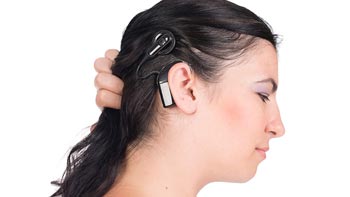
A cochlear implant is a medical device that bypasses damaged hair cells in the cochlea, converting sound into electrical impulses to stimulate the auditory nerve. It consists of:
-
External Component: A microphone and speech processor worn behind the ear, transmitting sound through the skin.
-
Internal Component: An electrode array surgically implanted in the cochlea, connected to a receiver under the skin.
Unlike hearing aids, cochlear implants are effective for severe hearing loss where hair cells are absent or non-functional.
When is Cochlear Implant Surgery Needed?
Surgery is recommended for:
-
Severe to Profound Sensorineural Hearing Loss: When hearing aids provide limited benefit.
-
Conditions: Congenital hearing loss, age-related hearing loss, or damage from infections/trauma.
-
Symptoms: Difficulty understanding speech, reliance on lip-reading, or social isolation due to hearing loss.
Both adults and children are eligible, with early intervention in children improving speech development. hamintour facilitates audiological assessments to confirm candidacy.
Medical Tests Before Cochlear Implant Surgery
To ensure suitability, tests include:
-
Audiological Evaluation: Measures hearing loss severity.
-
Speech Recognition Test: Assesses speech understanding.
-
CT/MRI Scans: Evaluates cochlear anatomy and nerve health.
-
General Health Check: Confirms fitness for surgery.
-
Meningitis Vaccination: Required at least 1 week prior due to proximity of the cochlea to the brain.
hamintour coordinates these tests to streamline preparation.
Preparation for Cochlear Implant Surgery
To ensure a smooth procedure:
-
Fast for 8-12 hours before surgery.
-
Stop smoking and alcohol 2 weeks prior.
-
Discontinue blood thinners as advised.
-
Report medication allergies.
-
Sign a consent form outlining risks/benefits.
-
Arrange a caregiver for post-procedure support.
hamintour handles all logistics, including tests, visas, and airport transfers.
How is Cochlear Implant Surgery Performed in Iran?
The procedure, lasting 1.5-3 hours per ear, involves:
-
Anesthesia: General anesthesia ensures comfort.
-
Incision and Shaving: A small area behind the ear is shaved, and a 2-3 inch incision is made.
-
Accessing the Cochlea: The surgeon drills through the mastoid bone to reach the middle ear and cochlea, navigating between the facial and taste nerves.
-
Implantation: A 2 cm electrode array is inserted into the cochlea, and the receiver is placed under the skin against the bone.
-
Closure: The incision is sutured, leaving a scar that fades within a year.
Iran’s ENT centers use advanced imaging and nerve monitoring to protect the facial/taste nerves. hamintour partners with top surgeons for precision and safety.
Recovery and Aftercare
Recovery spans 2-4 weeks:
-
Hospital Stay: 1-2 days for monitoring, with medications for pain, nausea, or dizziness.
-
Weeks 1-2: Avoid strenuous activities, keep the incision clean/dry, and follow bathing instructions.
-
Weeks 2-4: Resume normal activities; the external processor is fitted 2-4 weeks post-surgery for activation.
Aftercare tips:
-
Monitor for infection (redness, swelling, fever) or nerve issues (facial weakness, taste changes).
-
Take prescribed antibiotics to prevent infection.
-
Manage temporary tinnitus or dizziness, which typically resolves.
-
Attend audiological rehabilitation for speech and sound adaptation.
hamintour provides tailored rehab plans, virtual follow-ups, and post-discharge support for 1 year.
Risks and Complications
Cochlear implant surgery is safe, with complications under 3%. Potential risks include:
-
Facial/taste nerve damage (causing facial weakness or taste changes, typically temporary).
-
Infection or meningitis (minimized with antibiotics and vaccination).
-
Tinnitus or dizziness (usually resolves).
-
Device failure or electrode misplacement (rare).
Iran’s ENT specialists use intraoperative nerve monitoring to minimize risks. hamintour ensures access to experienced professionals.
Cochlear Implants and Lifestyle
-
Daily Activities: Safe to resume most activities after 2-4 weeks; avoid contact sports or water exposure without protective covers.
-
Pregnancy: Cochlear implants do not affect fertility or pregnancy.
-
Travel: Safe after recovery, with precautions for device settings during airport security.
Cost Comparison
Cochlear implant surgery in Iran costs $6,500-$10,000, covering the device, surgery, and hospital stay, compared to $30,000-$50,000 in the US, $25,000-$40,000 in Australia, or $15,000-$25,000 in Turkey. Savings of up to 80% make Iran highly cost-effective. hamintour offers transparent pricing, including travel, accommodation, and interpreter services.
Why Choose hamintour?
hamintour transforms cochlear implant surgery in Iran into a seamless experience, handling visas, hospital bookings, transfers, interpreters, and SIM cards. With no waiting lists, procedures are scheduled within days. Optional cultural tours to sites like Mashhad’s Imam Reza Shrine or Yazd’s ancient temples enhance recovery. Post-procedure virtual consultations and audiological support ensure ongoing care, making Iran a top choice for cochlear implants.
Is Cochlear Implant Surgery in Iran Worth It?
With a 95%+ success rate, cochlear implant surgery in Iran restores hearing, improves communication, and enhances quality of life at unmatched affordability. hamintour’s comprehensive services make it a valuable and stress-free investment.
Frequently Asked Questions
-
Why is Iran ideal for cochlear implant surgery?
Iran offers advanced ENT hospitals, expert surgeons, and costs up to 80% lower than Western countries, with success rates above 95%. -
How does hamintour assist with cochlear implant surgery in Iran?
hamintour manages visas, bookings, transfers, interpreters, and aftercare, offering cultural tours for a seamless experience. -
What is the cost of cochlear implant surgery in Iran?
It ranges from $6,500 to $10,000, far less than $30,000-$50,000 in the US or $25,000-$40,000 in Australia. -
Is cochlear implant surgery safe in Iran?
Yes, with a 95%+ success rate and advanced nerve monitoring, Iran minimizes risks like infection or nerve damage. -
When is cochlear implant surgery needed?
For severe to profound hearing loss when hearing aids fail, causing speech difficulties or social isolation. -
How is cochlear implant surgery performed in Iran?
A 1.5-3 hour procedure under general anesthesia implants an electrode in the cochlea, guided by advanced imaging. -
How long is recovery after cochlear implant surgery in Iran?
Hospital stay of 1-2 days, with full recovery in 2-4 weeks, supported by hamintour’s rehab plans. -
What preparations are needed for cochlear implant surgery?
Tests, meningitis vaccination, and fasting, all coordinated by hamintour. -
What post-operative care is essential?
Keep incisions clean, attend audiological rehab, and monitor for complications, with hamintour’s virtual support. -
Can I combine cochlear implant surgery with tourism in Iran?
Yes, hamintour arranges cultural tours to historic sites, enhancing recovery with unique experiences.