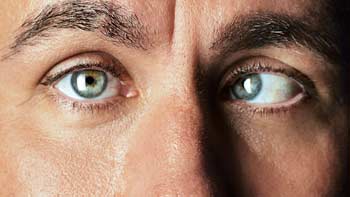

Struggling with misaligned eyes that affect your appearance or vision? Strabismus, commonly known as crossed eyes or squint, can be effectively corrected with advanced surgical techniques. Iran has become a global leader in ophthalmology, offering top-tier strabismus surgery at affordable prices. With highly skilled surgeons, state-of-the-art clinics, and comprehensive support from Hamintour, patients can achieve perfect eye alignment while enjoying a culturally enriching experience. This guide provides all you need to know about strabismus surgery in Iran, from the procedure to recovery.
Why Choose Iran for Strabismus Surgery?
Iran’s ophthalmology sector is renowned for its excellence, competing with top medical hubs like the United States and Europe. The country’s eye clinics, particularly in cities like Tehran, Mashhad, and Shiraz, are equipped with cutting-edge technology, including high-precision surgical tools and advanced diagnostic systems. Iranian ophthalmologists, many trained internationally, perform thousands of successful eye surgeries annually, including complex procedures like strabismus correction, with outcomes that meet global standards.
Affordability is a key advantage. Strabismus surgery in Iran costs between $1,400 and $2,200, compared to $7,000–$9,000 or more in Western countries. This significant savings is due to Iran’s efficient healthcare system and competitive pricing, without compromising quality. Hamintour enhances this value by offering all-inclusive packages that cover surgery, consultations, accommodations, and transfers, ensuring a seamless experience for international patients.
Beyond medical expertise, Iran offers a unique blend of treatment and tourism. Patients can recover while exploring historic sites, vibrant markets, or serene landscapes, turning a medical trip into a memorable journey. Hamintour tailors recovery-friendly itineraries, allowing patients to enjoy Iran’s rich cultural heritage while healing.
Understanding Strabismus
Strabismus is a condition where one or both eyes are misaligned, failing to point in the same direction. This occurs when the six muscles controlling eye movement malfunction, often due to nerve issues, injuries, or congenital factors. The result can be cosmetic concerns, double vision, or reduced depth perception. While non-surgical options like glasses, vision therapy, or prism lenses may help in mild cases, surgery is often the most effective solution for lasting correction.
Causes of Strabismus
-
Muscle Dysfunction: Weak or overactive eye muscles disrupt alignment.
-
Nerve Issues: Impaired nerve signals to the eye muscles can cause misalignment.
-
Injuries or Trauma: Accidents affecting the eye or brain may lead to strabismus.
-
Congenital Factors: Some individuals are born with misaligned eyes.
-
Other Conditions: Thyroid disorders or neurological issues can contribute.
What is Strabismus Surgery?
Strabismus surgery, also known as squint surgery or eye muscle repair, corrects eye misalignment by adjusting the position, strength, or tension of the eye muscles. The procedure is tailored to the patient’s specific condition, targeting one, two, or three muscles as needed. It is typically performed as an outpatient procedure, allowing patients to return to their accommodations the same day.
Types of Strabismus Surgery
-
Unilateral Rectus Muscle Surgery: Adjusts a single muscle for mild misalignment.
-
Bilateral Rectus Muscle Surgery: Targets two muscles for moderate cases.
-
Three-Muscle Surgery: Addresses complex misalignments involving multiple muscles.
How is Strabismus Surgery Performed?
Strabismus surgery in Iran takes 1–2 hours and is performed under local or general anesthesia, depending on the patient’s age and condition. The process includes:
-
Preparation: An eyelid speculum keeps the eye open, and the area is numbed or the patient is sedated.
-
Incision: The surgeon accesses the eye muscle through a small incision in the conjunctiva.
-
Adjustment: The muscle is repositioned, strengthened, or weakened to align the eyes properly.
-
Closure: The muscle is secured with dissolvable stitches, and the incision is closed.
-
Monitoring: Patients are observed briefly to ensure safe recovery from anesthesia.
Hamintour coordinates with top ophthalmologists to ensure precision and personalized care, maximizing the chances of successful alignment.
Preparing for Strabismus Surgery
Preparation begins with a comprehensive evaluation:
-
Eye Exams: Tests like vision clarity, eye alignment, and refraction assess the extent of strabismus.
-
Medical History: Discuss medications, health conditions, and allergies with the surgeon.
-
Pre-Operative Tests: Imaging or structural assessments may be conducted to plan the surgery.
Hamintour streamlines this process by reviewing medical records, arranging consultations with leading specialists, and handling travel logistics like visas and accommodations. Their team ensures patients are fully prepared for a smooth surgical experience.
Recovery and Aftercare
Recovery from strabismus surgery typically takes 1–2 weeks, with full results visible within 1–2 months. Common post-operative symptoms include:
-
Mild pain, redness, or discomfort around the eyes.
-
Pink or red tears, which usually subside quickly.
-
A sensation of a foreign object in the eye.
Aftercare involves:
-
Medications: Antibiotic and anti-inflammatory drops to prevent infection and reduce swelling.
-
Activity Restrictions: Avoid rubbing the eyes, swimming, or strenuous activities for 2–4 weeks.
-
Follow-Ups: Regular check-ups to monitor healing and eye alignment.
Hamintour supports recovery by arranging transportation, follow-up appointments, and 24/7 assistance, ensuring patients feel supported throughout their journey.
Risks and Benefits
Strabismus surgery is low-risk, with rare complications like infection, over- or under-correction, or temporary double vision. The benefits include improved eye alignment, enhanced vision, and boosted confidence, significantly improving quality of life. Iran’s high success rates, driven by expert surgeons and advanced facilities, make it a trusted choice for this procedure.
Why Choose Hamintour?
Hamintour is a premier medical tourism facilitator in Iran, specializing in eye care. They connect patients with accredited clinics and experienced ophthalmologists, ensuring top-quality outcomes. Their all-inclusive packages cover consultations, surgery, accommodations, transfers, and cultural experiences at transparent prices. With English-speaking coordinators and constant support, Hamintour makes the process accessible and stress-free.
A Journey Beyond Treatment
Choosing Iran for strabismus surgery offers more than medical correction—it’s an opportunity to explore a country rich in history and hospitality. From the ancient ruins of Persepolis to the vibrant bazaars of Isfahan, patients can enjoy light sightseeing during recovery, carefully planned by Hamintour to align with medical needs.
In conclusion, Iran provides world-class strabismus surgery at unmatched affordability, backed by expert care and modern facilities. With Hamintour’s dedicated support, patients can achieve perfect eye alignment and a memorable travel experience.
Frequently Asked Questions
-
What is strabismus, and how does it affect vision?
Strabismus is a condition where the eyes are misaligned, potentially causing double vision, reduced depth perception, or cosmetic concerns. -
How much does strabismus surgery cost in Iran?
Costs range from $1,400 to $2,200, compared to $7,000–$9,000 in Western countries. -
What types of strabismus surgery are available in Iran?
Options include unilateral, bilateral, and three-muscle surgeries, tailored to the severity of misalignment. -
How does Hamintour assist with strabismus surgery?
Hamintour arranges consultations, surgeries, accommodations, transfers, and cultural activities for a seamless experience. -
Is strabismus surgery safe in Iran?
Yes, it’s a low-risk procedure performed by expert ophthalmologists in advanced clinics with high success rates. -
How long is the recovery period after strabismus surgery?
Recovery takes 1–2 weeks, with full results visible in 1–2 months. -
What are the risks of strabismus surgery?
Rare risks include infection, over- or under-correction, or temporary double vision, minimized with proper care. -
Can I combine surgery with sightseeing in Iran?
Yes, Hamintour organizes light cultural activities, like visiting historic sites, to complement recovery. -
Are Iranian ophthalmologists qualified for strabismus surgery?
Many are internationally trained and highly experienced, using advanced techniques for optimal outcomes. -
How do I arrange strabismus surgery in Iran?
Contact Hamintour via their website or messaging apps for a free consultation and personalized treatment plan.