
Kerman, a vibrant city in southeastern Iran, is a treasure trove of ancient history, breathtaking landscapes, and rich cultural traditions. Spanning 240 square kilometers, this desert gem serves as the heart of Kerman province, nestled among neighboring regions like Khorasan, Yazd, Sistan and Baluchistan, Hormozgan, and Fars. With a legacy stretching back thousands of years, Kerman captivates visitors with its blend of historical landmarks, diverse natural wonders, and unique culinary delights. Whether you’re drawn to ancient architecture, serene gardens, or the thrill of desert adventures, hamintour invites you to explore the soul of this remarkable city, where every corner tells a story of Iran’s enduring heritage.
Iconic Historical Sites to Explore
Kerman’s historical tapestry is woven with architectural marvels and cultural landmarks that reflect Iran’s storied past. From grand complexes to sacred temples, these sites offer a glimpse into the artistry and ingenuity of ancient civilizations. hamintour recommends the following must-visit attractions for history enthusiasts:
Ganjali Khan Complex: A Safavid Masterpiece
Nestled in the heart of Kerman, the Ganjali Khan Complex is a testament to the Safavid era’s architectural brilliance. Built under the patronage of Ganjali Khan, a visionary leader dedicated to Kerman’s prosperity, this sprawling complex includes a vibrant square, a bustling bazaar, a historic mint, and a bathhouse now transformed into an anthropology museum. The intricate tilework, elegant arches, and vibrant mosaics showcase Persian craftsmanship at its finest. A visit here with hamintour promises an immersive journey into Iran’s golden age, where every detail reflects the grandeur of a bygone era.
Vakil Bathhouse: A Zand-Era Gem
The Vakil Bathhouse, a relic of the Zand dynasty, is a stunning example of adaptive reuse. Originally a 19th-century bathhouse, it now serves as a charming teahouse and restaurant, blending historical elegance with modern hospitality. Its ornate stucco work and tiled interiors create an inviting atmosphere, making it a favorite stop for travelers exploring Kerman’s heritage with hamintour. Sip traditional tea while soaking in the ambiance of this architectural treasure.
Anahita Temple: Kerman’s Ancient Sentinel
Perched atop rugged cliffs in eastern Kerman, the Anahita Temple, also known as Dokhtar Castle, is the city’s oldest surviving monument. Dating back to ancient times, this weathered yet majestic structure offers panoramic views and a tangible connection to Iran’s pre-Islamic past. Though time has worn its walls, the temple’s mystique endures, inviting visitors to imagine its ancient rituals. hamintour guides you to this iconic site, where history whispers through the stones.
Jabalieh Dome: A Mysterious Marvel
The Jabalieh Dome, or Gabri Dome, stands as Kerman’s only stone-built monument, shrouded in historical intrigue. Some attribute its origins to the Zoroastrian era, while others suggest Seljuk influences. Legends claim camel milk was used in its plaster, contributing to its remarkable durability. With its enigmatic past and striking architecture, this dome is a must-see for those exploring Kerman’s historical depths with hamintour.
Nature’s Wonders in Kerman
Kerman’s landscapes are as diverse as its history, offering everything from lush forests to stark deserts. Whether you’re a hiker, a skier, or a desert wanderer, hamintour ensures you experience the province’s natural splendor in all its glory.
Pardisan Qaem Forest: Kerman’s Green Oasis
In the heart of Kerman’s arid climate lies the Pardisan Qaem Forest, a 300-hectare emerald haven known as the city’s lungs. This lush expanse is perfect for leisurely walks, picnics, or hiking, with scenic trails and modern amenities catering to nature lovers. hamintour recommends an afternoon here to recharge amidst verdant greenery and serene mountain views.
Shazdeh Mahan Garden: A UNESCO Paradise
A short drive from Kerman, the Shazdeh Mahan Garden is a Qajar-era masterpiece and UNESCO World Heritage Site. Set against the dramatic Taq-e Geran mountains, this Persian garden is a symphony of flowing fountains, vibrant flowerbeds, and shaded pavilions. Its tranquil beauty offers a respite from the desert heat, making it a highlight of any hamintour itinerary.
Fathabad Garden: Qajar Elegance
Located 25 km from Kerman, Fathabad Garden captivates with its Qajar-era charm. Also known as Biglarbigi Garden, its intricate design and serene ambiance make it a favorite among art and culture enthusiasts. hamintour invites you to stroll through its pathways, where history and nature intertwine seamlessly.
Kerman Mountainside: A Hiker’s Haven
For those seeking adventure, the Kerman Mountainside, 30 km north of the city, offers a playground of verdant plains, rushing rivers, and cascading waterfalls. Ideal for hiking and nature immersion, this region showcases Kerman’s diverse terrain. hamintour organizes guided treks to ensure you experience its untouched beauty safely.
Sirch Ski Resort: Winter Thrills in the Desert
Surprisingly, Kerman boasts the largest ski resort in southeastern Iran at Sirch, 80 km from the city. Nestled in the highlands, this winter wonderland offers thrilling slopes for skiing enthusiasts. hamintour ensures a seamless visit, complete with equipment rentals and expert guides for an unforgettable snowy adventure.
Shahdad Desert and Kaluts: Nature’s Sculptures
The Shahdad Desert is a surreal landscape where towering sand pyramids, known as kaluts, rise from the barren expanse. Formed by wind and water erosion, these cube-shaped formations are among the world’s most striking natural wonders. Located 140 km from Kerman, the desert also houses ancient sites like the Haj Mohammad Taghi Cistern and Bahram Fortress. hamintour’s guided tours bring you face-to-face with this otherworldly terrain, perfect for photographers and desert explorers.
Cultural Immersion in Kerman
Kerman is a cultural hub, with museums and libraries that preserve its rich heritage. hamintour curates experiences that connect you with the city’s traditions and artistic legacy.
Zoroastrian Anthropology Museum: A Global First
The world’s only Zoroastrian Anthropology Museum, opened in 2001, houses treasures like a 13th-century Gathas manuscript and intricately carved fire holders. Its collection of 50- to 150-year-old Zoroastrian garments offers a window into the community’s traditions. hamintour recommends this museum for a deep dive into Kerman’s spiritual history.
Museum of Contemporary Industrial Art: A Creative Haven
This museum showcases works by Iranian and international artists, including masterpieces by Saeed Aliakbar Sanati. Its diverse collection rivals Tehran’s Museum of Contemporary Art, making it a must-visit for art lovers exploring Kerman with hamintour.
Kerman National Library: A Pahlavi Treasure
Housed in a beautifully preserved Pahlavi-era building, the Kerman National Library is a national heritage site. Its brick architecture and tranquil courtyard make it a serene stop for book lovers and history buffs. hamintour ensures you don’t miss this cultural gem.
Kerman’s Culinary Delights
Kerman’s cuisine is a feast for the senses, blending bold flavors and local ingredients. From hearty stews to sweet delicacies, hamintour introduces you to dishes that define the city’s gastronomic identity.
- Boz Ghormeh: A savory stew featuring kid goat meat and saffron, this dish is a Kerman staple with a rich, aromatic profile.
- Khoresh Aloocheh: This tangy green plum stew combines veal, herbs, and pinto beans for a refreshing yet hearty meal.
- Lapeh Polo with Cumin: A fragrant rice dish with split peas, lamb, and cumin, showcasing Kerman’s love for this versatile spice.
- Amaag Ash: A wholesome soup with wheat flour, herbs, and qarequrut, perfect for warming up on cool desert nights.
- Gandom Shir Ash: A nutrient-packed soup with chickpeas, meat, and kashk, offering a taste of Kerman’s rustic flavors.
- Meatball Soup with Cumin: A comforting blend of meatballs, cumin, and garlic, highlighting Kerman’s spice-driven cuisine.
Day Trips from Kerman
Kerman’s surroundings offer a wealth of day-trip destinations, from ancient citadels to dramatic canyons. hamintour crafts unforgettable excursions to these iconic sites.
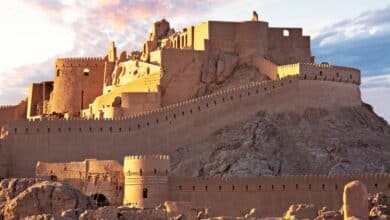
- Arg-e Bam: The world’s largest mud-brick structure and a UNESCO World Heritage Site, this citadel, though damaged by the 2003 earthquake, remains a symbol of Kerman’s resilience.
- Rayen Citadel: The second-largest mud-brick structure globally, this Sassanid-era fortress boasts towering ramparts and a historic layout.
- Rageh Canyon: A geopark near Rafsanjan, this 80-meter-deep canyon offers stunning views and stargazing opportunities.
- Tomb of Shah Ne’matollah Vali: A Timurid-Qajar tomb complex with intricate tilework and a serene ambiance.
- Sang Garden: A surreal stone garden created by Darvish Khan Esfandiarpoor, where dried trees bear stone fruits.
- Simak Waterfalls: A scenic valley with cascading falls, ideal for picnics and climbing.
- Shengestan Valley: A lush retreat with rocky trails, perfect for nature enthusiasts.
Getting Around Kerman
Kerman’s efficient public transport system includes buses and line taxis that connect all corners of the city. For convenience, hamintour recommends using online taxi services like Snapp or Tapsi, or calling 133 for wireless taxis, ensuring hassle-free travel to attractions.
Safety Tips for Travelers
Kerman is a welcoming city, but hamintour advises taking precautions:
- Guard against pickpockets in crowded areas like bazaars.
- Use licensed taxis and confirm fares upfront.
- Dress modestly, especially at religious sites.
- Keep copies of important documents and emergency contacts.
- Check travel advisories and avoid political gatherings.
Souvenirs to Bring Home
Kerman’s handicrafts and treats make for perfect keepsakes. hamintour suggests:
- Qotab: A pistachio-filled pastry with a sugary coating, rooted in Achaemenid traditions.
- Zireh (Cumin): Premium black and green cumin, a Kerman specialty.
- Kolompeh: A date and walnut pastry infused with cinnamon and rosewater.
- Ghovvatoo: A nutritious herbal powder dessert, ideal with milk or tea.
- Rafsanjan Pistachios: World-famous nuts from Kerman’s orchards.
- Komach-Sehen: A sweet dough filled with nuts and spices.
- Kerman Rugs: Exquisite hand-woven rugs known for their intricate designs.
Kerman’s Weather
Kerman’s high altitude and proximity to Mount Saheb Al-Zaman create a moderate climate. Summers are hot but cool off at night, while winters bring chilly evenings and mild days. The city’s clear skies ensure pristine air year-round, making it a delightful destination for any season with hamintour.
Where to Stay in Kerman
Kerman offers a range of accommodations, from luxurious hotels to historic caravansaries. hamintour highlights:
- Pars Hotel: A 5-star retreat with 197 modern units, known for its elegance and prime location.
- Jahangardi Hotel: A renovated 4-star hotel near key attractions, offering traditional and modern amenities.
- Caravanica Hotel: A restored 500-year-old caravanserai blending history with comfort.
- Hezar Hotel: A 3-star gem in the city center with 42 luxurious rooms.
Shopping in Kerman
Kerman’s shopping scene caters to all tastes, from modern malls to historic bazaars. hamintour recommends:
- Shafa Commercial Center: A leather goods haven with 35 stores and modern amenities.
- Atlas Mall: A large complex with diverse goods and dining options.
- Setareh Department Store: A modern hub for electronics, clothing, and more.
- Kerman Grand Bazaar: A historic market with a vibrant atmosphere and traditional crafts.
Dining in Kerman
Kerman’s restaurants offer a blend of traditional and contemporary flavors. hamintour suggests:
- Vakil Teahouse: A restored bathhouse with live music and authentic cuisine.
- Keykhosro Restaurant: A cozy spot with unique copper dishware and a date palm centerpiece.
- Kabab Khoran Restaurant: A stylish venue for delicious kebabs.
- Vita Restaurant: A serene courtyard eatery with high-quality fast food.
- Maks Restaurant: Affordable yet flavorful, specializing in Boz Ghormeh.
- Aghababa Traditional Restaurant: A historic house serving authentic Kermani dishes.
Frequently Asked Questions (FAQs)
- What are the top historical sites to visit in Kerman? Kerman boasts treasures like the Ganjali Khan Complex, Vakil Bathhouse, Anahita Temple, and Jabalieh Dome, each showcasing Iran’s rich history.
- What natural attractions should I explore in Kerman? Don’t miss the Shahdad Desert, Shazdeh Mahan Garden, Pardisan Qaem Forest, and Sirch Ski Resort for diverse landscapes.
- What are Kerman’s must-try dishes? Try Boz Ghormeh, Khoresh Aloocheh, Lapeh Polo with cumin, and Amaag Ash for authentic Kermani flavors.
- Is Kerman safe for tourists? Yes, Kerman is generally safe. Stay cautious in crowded areas and follow local customs for a worry-free visit.
- What souvenirs should I buy in Kerman? Qotab, Kolompeh, Rafsanjan pistachios, cumin, and Kerman rugs are popular choices.
- When is the best time to visit Kerman? Kerman’s moderate climate makes it ideal year-round, with spring and autumn offering the most pleasant weather.
- How can I get around Kerman? Use buses, line taxis, or apps like Snapp and Tapsi for convenient city travel.
- What are the best day trips from Kerman? Visit Arg-e Bam, Rayen Citadel, Rageh Canyon, or the Tomb of Shah Ne’matollah Vali for memorable excursions.
- Where can I stay in Kerman? Options include the luxurious Pars Hotel, historic Caravanica Hotel, and modern Jahangardi Hotel.
- What makes Kerman’s cuisine unique? Kerman’s dishes, like Boz Ghormeh and Lapeh Polo, blend local spices like cumin with hearty ingredients, creating distinctive flavors.
With hamintour, your journey to Kerman becomes an unforgettable adventure, blending history, nature, and culture into a seamless experience. Explore this desert jewel and let its timeless beauty captivate your senses.