
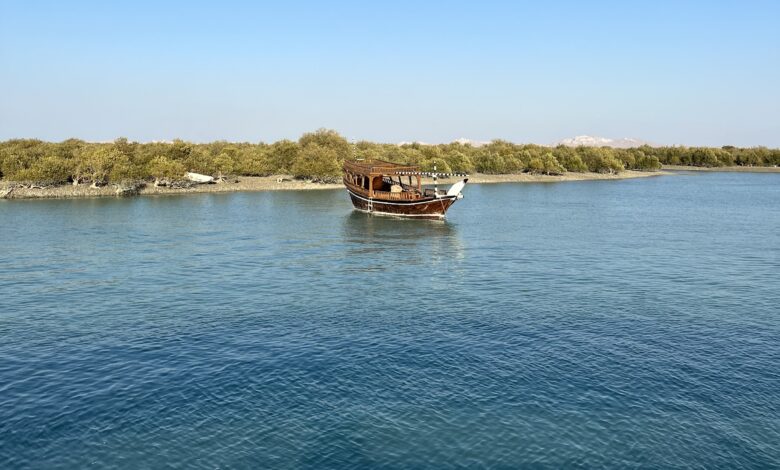

Unveiling the Magic of Qeshm’s Hara Forest
Qeshm Island, often called Iran’s “Island of Seven Wonders,” is a treasure trove of natural beauty, from the otherworldly Stars Valley to the dramatic Chahkooh Canyon. Among these, the Hara Forest stands out as a crown jewel, earning the nickname “Green Gold” for its rare mangrove ecosystem thriving in the salty waters of the Persian Gulf. Recognized as a UNESCO Biosphere Reserve, this enchanting forest is a haven for migratory birds, diverse marine life, and unique flora, offering visitors a surreal blend of nature and adventure. Whether you’re captivated by serene boat tours, birdwatching, or cultural exploration, this comprehensive guide, crafted by Hamintour, dives deep into the Qeshm Hara Forest’s history, access routes, activities, and insider tips. Optimized for search engines and designed to engage, this guide ensures you plan an unforgettable visit to one of Iran’s most extraordinary natural wonders.
Why Visit Qeshm’s Hara Forest?
The Hara Forest is not just a destination—it’s an experience that immerses you in a rare natural phenomenon. Unlike traditional forests, its mangroves thrive in seawater, creating a dynamic landscape that shifts with the tides. As the waters rise, the trees partially submerge, only to reemerge as the tide recedes, revealing a magical interplay of land and sea. This unique ecosystem supports a vibrant array of wildlife, from colorful fish to migratory birds like herons and gulls, making it a paradise for nature lovers and photographers.
Hamintour simplifies your journey, offering seamless booking for boat tours, transportation, and accommodations. Whether you’re a solo adventurer, a family seeking a unique outing, or a couple craving a romantic escape, the Hara Forest delivers an unforgettable experience that blends tranquility, biodiversity, and cultural richness.
Where Is the Hara Forest Located?
Situated on the northwest coast of Qeshm Island in Hormozgan Province, the Hara Forest stretches along the Persian Gulf’s shallow, saline waters. Covering approximately 2,400 hectares, this mangrove forest is a vital ecological hub, located about 60 kilometers from Qeshm’s city center. Key access points include the villages of Sohili and Tabl, where boat docks serve as gateways to this natural wonder. The forest’s unique setting, surrounded by turquoise waters and tidal channels, makes it a must-visit for anyone exploring Qeshm Island.
Address: Hara Forest, New Gurzin Town, Qeshm Island, Hormozgan Province, Iran.
How to Reach the Hara Forest
Accessing the Hara Forest requires a scenic boat ride through its tidal waters, adding to the adventure. Here’s a detailed guide to getting there, with options tailored for convenience and exploration:
From Qeshm City Center
-
Distance: Approximately 30 km to Sohili village, the primary access point.
-
Travel Time: About 45 minutes by car.
-
Route:
-
Drive along the Qeshm-Dargahan road, a well-maintained route with clear signage.
-
At the Tabl village junction, turn toward Sohili village.
-
Follow signs to the Hara Forest boat dock, located near the coast.
-
-
Pro Tip: For a hassle-free journey, book a taxi or rent a car through Hamintour’s reliable transportation services.
From Laft Port
-
Distance: Roughly 20 minutes by car from Laft to Sohili village.
-
Route: Take the coastal road from Laft to Sohili, where clear signs guide you to the boat dock.
-
Pro Tip: Ideal for travelers arriving via Qeshm’s ferry from Bandar Abbas. Hamintour can arrange transfers for a seamless experience.
Boat Journey to the Hara Forest
-
Access: The forest is only accessible by boat, departing from docks near Sohili or Tabl villages.
-
Cost: Affordable rates, typically varying by group size and tour duration (1-2 hours).
-
Experience: Local boatmen expertly navigate the forest’s narrow channels, offering close-up views of mangroves, wildlife, and tidal shifts.
-
Booking: Arrange your boat tour at the dock or pre-book through Hamintour’s curated experiences for guaranteed spots and customized options.
The Rich History of Qeshm’s Hara Forest
The Hara Forest’s ecological significance has earned it global recognition. In 1972, it was designated a protected area, initially spanning 82,360 hectares. By 1975, its boundaries expanded to 85,686 hectares, achieving National Park status. In 1977, UNESCO named it a Biosphere Reserve, underscoring its importance as a global ecological treasure. Managed by Hormozgan’s Environmental Department, the forest safeguards a diverse ecosystem that supports 80% of the Persian Gulf’s marine spawning grounds.
Spanning 22,000 square kilometers across the Persian Gulf and Sea of Oman, the Hara Forest is home to an array of species, including Indian herons, sharp-billed sandpipers, gulls, fish, turtles, and sea snakes. Its mangroves, scientifically named after Persian scholar Avicenna (Avicennia marina), are a testament to the region’s cultural and natural heritage.
Exploring the Unique Features of the Hara Forest
The Hara Forest is a dynamic ecosystem where mangroves, standing 3-6 meters tall, thrive in 1.5-meter-deep saline waters. Every six hours, the tides transform the landscape, submerging the trees during high tide and revealing their roots as the waters recede. This tidal dance creates a surreal scene, with fish swarming during high tide and the forest appearing as dry land at low tide. Spanning 2,400 hectares, the forest is a global rarity, offering visitors a chance to witness nature’s resilience and beauty.
Key Features
-
Mangrove Ecosystem: The forest’s trees desalinate seawater, absorbing freshwater and expelling salt, creating a unique habitat.
-
Wildlife Diversity: Home to crabs (including the unique “guitar crab”), mice, and eight raptor species, alongside migratory birds.
-
Tidal Dynamics: The forest’s appearance changes every 6-7 hours, offering varied experiences depending on the time of day.
-
Cultural Significance: Named after Avicenna, with local legends linking the mangroves to human tears or ancient Indian imports near Laft.
Fascinating Facts About the Hara Forest
-
Tidal Rhythm: The mangroves are visible for only 6-7 hours daily, disappearing under high tide in a mesmerizing natural cycle.
-
Water Purification: Mangroves naturally filter seawater, supporting a thriving ecosystem.
-
Biodiversity Hub: The forest’s leaves nourish marine life and birds, while its waters host unique species like the “guitar crab.”
-
Cultural Legacy: Named after Avicenna, the forest carries historical significance, with folklore tying it to ancient traditions.
-
Seasonal Beauty: Summer brings fragrant mangrove flowers, while late summer yields “khark” or “kang” fruit, used in traditional remedies.
Uses of Hara Forest Mangroves
The mangroves of the Hara Forest are remarkably versatile, serving both practical and cultural purposes:
-
Industrial Applications: Mangrove wood is used for charcoal, paper pulp, timber, and livestock feed, prized for its smokeless burning.
-
Medicinal Properties: Sap treats skin ailments, while leaves and fruits are used in traditional remedies, including weight-loss pastes in local folklore.
-
Construction: Durable trunks historically crafted Qeshm’s first drums, and roots protect coastal areas from storms.
-
Cultural Uses: Locals once mixed flower paste with salty water for traditional health practices, blending nature and heritage.
Best Time to Visit the Hara Forest
Timing your visit to the Hara Forest enhances your experience, with seasonal variations offering distinct advantages:
-
Fall to Early Spring (September-March): Mild temperatures (20-30°C) make this the ideal time for boat tours and birdwatching. Winter (December-February) is especially vibrant, with migratory birds like herons and gulls flocking to the forest.
-
Spring to Summer (April-August): Hot and humid, but quieter and more budget-friendly. Perfect for cultural immersion and fewer crowds.
-
Avoid Peak Seasons: Nowruz (March-April) brings crowds and higher prices. Plan around these holidays using Hamintour’s schedules for a more peaceful visit.
-
Pro Tip: Qeshm’s climate remains warm year-round, so pack lightweight clothing and sun protection.
Visiting Conditions
-
Access: Exclusively by boat, with tours lasting 1-2 hours through the forest’s channels.
-
Weather: Late fall to early spring (November-March) offers cooler, more comfortable conditions for exploration.
-
Tidal Considerations: Tides shift every 6 hours, affecting visibility. Skilled boatmen ensure safe navigation, avoiding low-tide stranding.
-
Hours: Tours typically run from 8 AM to 7 PM, aligned with tidal schedules. Morning tours offer calmer waters, while late afternoons provide stunning sunset views.
-
Booking: Secure your boat tour, flights, or accommodations through Hamintour for a reliable and tailored experience.
Nearby Attractions to Explore
Extend your Qeshm adventure by visiting these nearby attractions, all easily accessible with Hamintour’s curated tours:
-
Qeshm Rooftop (7 km): Enjoy panoramic views of the island’s coastline and beyond.
-
Statues Valley (8 km): Marvel at naturally sculpted rock formations, a geological wonder.
-
Chahkooh Canyon (26 km): Explore dramatic cliffs and gorges, perfect for adventurers.
-
Portuguese Castle (34 km): Discover historic coastal ruins with ties to Qeshm’s maritime past.
-
Laft Historic Cemetery (35 km): Wander through ancient graves, steeped in cultural significance.
-
Stars Valley (53 km): Experience star-shaped erosions under Qeshm’s starry night skies.
Activities in the Hara Forest
The Hara Forest offers a range of activities to suit every traveler:
-
Boating and Nature Tours: Glide through turquoise channels, surrounded by mangroves, for a serene and immersive escape.
-
Birdwatching: Spot migratory birds like Indian herons and gulls, especially vibrant from December to February.
-
Camel Riding by the Sea: Combine desert and ocean vibes with a whimsical coastal camel ride.
-
Photography: Capture the forest’s tidal shifts, wildlife, and mangroves for stunning, shareable shots.
Lesser-Known Facts About the Hara Forest
-
Avicenna’s Legacy: The forest’s scientific name, Avicennia marina, honors the Persian scholar Avicenna.
-
Unique Wildlife: Home to “guitar crabs” with asymmetrical claws, a rare sight.
-
Raptor Haven: Over eight species of hawks and eagles soar above the forest.
-
Charcoal Power: Mangrove wood burns smokelessly, making it a prized fuel source.
-
Medicinal Fruit: Late-summer “khark” fruit is used in traditional healing practices.
Visiting Hours
The Hara Forest is accessible from 8 AM to 7 PM, with schedules adjusted to tidal patterns. Morning tours offer calm waters and vibrant wildlife, while late-afternoon trips provide breathtaking sunset views. Confirm exact times with Hamintour or local boatmen to align with tidal shifts.
Final Thoughts: Embark on a Hara Forest Adventure with Hamintour
Qeshm’s Hara Forest is a natural masterpiece, where saltwater mangroves, vibrant wildlife, and tidal rhythms create a world-class destination. As a UNESCO Biosphere Reserve, it offers a unique blend of ecological wonder and cultural heritage, making it a must-visit for adventurers, nature enthusiasts, and photographers. From serene boat tours to thrilling birdwatching and camel rides, the forest delivers unforgettable experiences.
Plan your visit from fall to early spring for the best weather, and book your boat tours, flights, or hotels through Hamintour for exclusive deals and seamless planning. First-time visitors can enjoy discounts on Hamintour’s hotel page. Share your travel plans in the comments below and dive into the magic of Qeshm’s Hara Forest today!