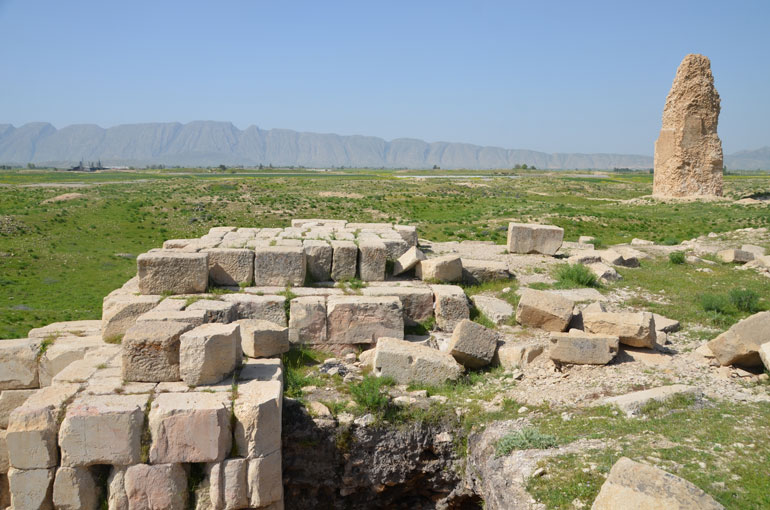

Nestled in the northwest of Firuzabad in Fars Province, Shahr-e Gour (also known as Ardashir-Khwarrah or Gur) stands as Iran’s first circular city and a UNESCO World Heritage Site, recognized in 2018 as part of the Sassanid Archaeological Landscape of Fars Region. This enigmatic archaeological site, dating back to the Achaemenid, Parthian, and Sassanid eras, offers a captivating glimpse into ancient Persian urban planning, architecture, and cultural heritage. Approximately 100 km south of Shiraz, Shahr-e Gour is a must-visit for history enthusiasts and travelers seeking to explore the lesser-known treasures of Iran. With hamintour, embark on a journey through this ancient marvel, uncovering its unique design, historical significance, and nearby attractions.
1. The Enigmatic History of Shahr-e Gour
A Timeless Legacy of Persian Empires
Uncover the Roots of Iran’s First Circular City
Shahr-e Gour, established long before the Sassanid dynasty, became the first capital of the Sassanid Empire under King Ardashir I (180–242 CE) in the 2nd century CE. Originally named Ardashir-Khwarrah, meaning “The Glory of Ardashir,” it was later renamed Firuzabad during the early Islamic era. The city’s strategic location in a fertile plain, protected by a 50-meter-wide moat and mud-brick ramparts, allowed it to withstand Alexander the Great’s invasion in 330 BCE, preserving its Achaemenid-era foundations.
The city flourished as a hub of trade, agriculture, and Zoroastrianism during the Sassanid era, connecting routes to China, India, and Rome. Revived by the Buyid dynasty under Fanna Khusraw, it thrived until its decline in the Qajar era, when a nearby settlement became modern Firuzabad, 5 km east of the site. In 2018, Shahr-e Gour was inscribed as a UNESCO World Heritage Site for its historical and architectural significance, alongside eight other Sassanid sites in Fars Province.
2. Unique Circular Design and Architectural Marvels
A Masterpiece of Ancient Urban Planning
Explore the Ingenious Layout of Shahr-e Gour
Shahr-e Gour is renowned as one of the world’s first circular cities, spanning 300 hectares with a near-perfect 2 km diameter. Its innovative design features three concentric walls dividing the city into 61 zones, with a central administrative and royal district (400 m diameter) surrounded by residential and rural areas. Two intersecting axes—north-south and east-west—split the city into four equal parts, each marked by a gate: Hormozd (north), Ardashir (south), Mithra (east), and Bahram (west), echoing the grandeur of Persepolis.
At the city’s heart stands the Milo Minaret, a 33-meter-tall stone tower initially thought to be an Ateshkadeh (Zoroastrian fire temple) but later identified as a fortified palace. Nearby, a domed structure called Takhtneshin served ceremonial purposes, while the Gor Observatory, a 6.5-meter-diameter mud-and-clay structure, highlights early Persian astronomical practices. The city’s fortifications, including a 50-meter-wide moat and mud-brick ramparts, underscore its defensive prowess. Stone carvings, such as reliefs of Sassanid princes near the Milo Minaret, reflect Achaemenid and Parthian artistic influences.
3. Archaeological Discoveries and Significance
Unraveling the Sassanid Legacy
Insights from Ongoing Excavations
Shahr-e Gour remains an active excavation site, with approximately 40% of discovered pottery dating to the Sassanid era, indicating its prosperity. Archaeologists have uncovered evidence of advanced water management systems, including channels from the Tang-i Ab River, which supported agriculture and trade. The city’s strategic location along trade routes to Rome, China, and India further enhanced its economic prominence.
Key findings include:
- Stone Reliefs: Near the Milo Minaret, carvings of four Sassanid princes showcase the dynasty’s artistic heritage.
- Observatory: The Gor Observatory, with 12 wall markings, reflects advanced celestial observation techniques.
- Fortified Structures: The city’s 20 concentric walls and moat highlight its defensive ingenuity.
Registered as part of the UNESCO Sassanid Archaeological Landscape in 2018, Shahr-e Gour exemplifies the empire’s contributions to urban planning, Zoroastrianism, and architectural innovation, influencing Islamic-era designs. Ongoing excavations continue to reveal new insights, making it a dynamic site for archaeologists and visitors.
4. Planning Your Visit to Shahr-e Gour
Tips for an Unforgettable Experience
Best Time and Practical Details
- Visiting Hours: Open daily from 8:00 AM to 8:00 PM (spring and summer) and 8:00 AM to 6:00 PM (autumn and winter).
- Entrance Fee: Approximately 200,000 Rials (contact the site office for exact pricing).
- Duration: Exploring the site takes 2–3 hours.
- Best Time to Visit: Late winter (February–March) and early spring (April–May) offer mild weather, avoiding the extreme summer heat of Fars Province’s desert climate. Autumn (September–November) is ideal for fewer crowds.
- Access: Located 5 km west of modern Firuzabad and 100 km south of Shiraz, Shahr-e Gour is accessible by car or bus via the Shiraz-Firuzabad road. The journey from Shiraz takes about 1.5–2 hours.
- Tips: The site lacks tourist facilities, so bring water, snacks, and sun protection. There’s minimal shade, and lighting is scarce after sunset, so daytime visits are recommended. Camping tents are advised for extended stays.
Travel with hamintour: Book a guided tour to combine Shahr-e Gour with other Fars attractions, ensuring a seamless and enriching experience with expert insights.
5. Nearby Attractions in Firuzabad
Explore the Sassanid Legacy and Natural Beauty
Enhance Your Journey with These Sites
Shahr-e Gour’s proximity to other historical and natural attractions makes it an ideal stop on a Fars Province itinerary:
- Ardashir Babakan Palace (8 km north): A 3rd-century Sassanid palace, also called a fire temple due to its proximity to a spring, features high iwans, stucco decorations, and early dome architecture.
- Qaleh Dokhtar (15 km north): A 71-hectare fortress built by Ardashir I before his victory over the Parthians, located on a hillside with Chahar-Taq domes and Achaemenid-inspired plasterwork.
- Tangab Dam Lake (30 km northeast): Known as the Sasanian Dam, this scenic lake is surrounded by mountains and supports local agriculture, offering a serene spot for nature lovers.
- Hayghar Valley (40 km southeast): Dubbed Iran’s Grand Canyon, this geopark between the Zagros Mountains and Ghareh Aghaj River boasts pristine landscapes and hiking opportunities.
- Khergheh Village (19 km east): A lush valley village perfect for a relaxing escape with rustic charm and greenery.
- Victory Relief of Ardashir (10 km): Located in Tangi Ab Gorge, this 18-meter-long, 4-meter-high relief depicts Ardashir I’s triumph over the Parthian king Ardavan V in 224 CE.
Dining and Accommodations:
- Firuzabad Guesthouses: Limited options exist in Firuzabad; consider staying in Shiraz at Shirazis Hotel (100 km) or Niayesh Boutique Hotel for traditional charm.
- Dining: Local restaurants in Firuzabad offer Persian dishes like Kalam Polo and Fesenjan. Bring snacks for the site, as dining options are scarce.
With hamintour’s curated tours, explore these attractions seamlessly, combining history and nature for a comprehensive Fars adventure.
6. Why Shahr-e Gour is a Must-See in Fars Province
A Journey Through Time and Innovation
Experience Persia’s Ancient Urban Legacy
Shahr-e Gour is a testament to the Sassanid Empire’s architectural and cultural prowess, offering a unique perspective on Iran’s first circular city. Its 2 km diameter, fortified walls, and central Milo Minaret highlight advanced urban planning, while its historical significance as a trade and Zoroastrian hub underscores its role in Persian history. The site’s UNESCO status, granted in 2018, reflects its global importance, blending Achaemenid, Parthian, and Roman influences with Sassanid innovation.
For travelers, Shahr-e Gour offers an off-the-beaten-path experience, distinct from Shiraz’s iconic sites like Persepolis or Eram Garden. Its ongoing excavations promise new discoveries, making each visit a chance to connect with Persia’s evolving story. Join hamintour’s guided tours to delve into this archaeological wonder with expert guides who bring its history to life.
Explore Fars with hamintour
Join Our Exclusive Iran Tours
Discover Shahr-e Gour and beyond with hamintour’s group tours, designed for cultural immersion and hassle-free travel:
- Iran 7-Day Tour: €960 (Early Bird: €860) – Explore Shiraz and Firuzabad’s historical gems. [Check Availability]
- Iran 9-Day Tour: €1,100 (Early Bird: €860) – Dive deeper into Fars Province’s heritage. [Check Availability]
- Iran 15-Day Tour: €1,690 (Early Bird: €1,520) – An immersive journey through Iran’s iconic sites. [Check Availability]
7. Frequently Asked Questions About Shahr-e Gour
Your Questions Answered
What are the features of Shahr-e Gour?
Shahr-e Gour is Iran’s first circular city, spanning 300 hectares with a 2 km diameter. It features a central Milo Minaret (a fortified palace), a Takhtneshin ceremonial dome, a 6.5-meter Gor Observatory, 20 concentric walls, a 50-meter-wide moat, and four gates (Hormozd, Ardashir, Mithra, Bahram). Its advanced water management and trade connections highlight its historical significance.
When is the best time to visit the ancient city?
Late winter (February–March) and early spring (April–May) offer mild weather, ideal for exploring the unshaded site. Autumn (September–November) is great for avoiding crowds. Summer visits are challenging due to extreme heat.
How to access Shahr-e Gour?
Located 5 km west of Firuzabad and 100 km south of Shiraz, Shahr-e Gour is accessible by car or bus via the Shiraz-Firuzabad road (1.5–2 hours from Shiraz). Guided tours with hamintour provide convenient transport and expert insights.