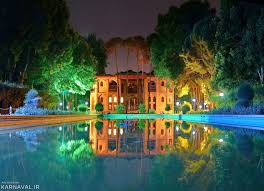

A Jewel of Safavid Architecture and Persian Heritage
Nestled in the historic city of Isfahan, Iran, Hasht Behesht Palace is a breathtaking testament to the architectural brilliance and cultural richness of the Safavid dynasty. Built in 1669 during the reign of Shah Suleiman, this octagonal pavilion, meaning “Eight Paradises,” served as a royal retreat within the lush Chahar Bagh garden complex. Its intricate design, opulent interiors, and serene gardens evoke the Persian vision of paradise, making it a must-visit destination for travelers, historians, and art enthusiasts. With its vibrant tilework, symmetrical layout, and tranquil ambiance, Hasht Behesht captivates visitors with its timeless beauty. Plan your visit with hamintour to explore this architectural masterpiece and immerse yourself in Iran’s storied past.
The Historical Legacy of Hasht Behesht Palace
A Royal Retreat from the Safavid Era
Constructed under Shah Suleiman’s patronage, Hasht Behesht Palace reflects the Safavid dynasty’s golden age, when Isfahan flourished as Iran’s cultural and artistic capital. Built in 1669 as a pleasure pavilion within the expansive Chahar Bagh garden, the palace was designed to embody the Islamic concept of paradise, as depicted in Persian poetry and cosmology. Its name, “Eight Paradises,” symbolizes the celestial harmony sought by the Safavid rulers, offering a serene escape for the royal court amidst verdant surroundings.
The palace’s strategic location within the Chahar Bagh complex, renowned for its meticulously planned Persian gardens, enhanced its role as a haven of tranquility. Hasht Behesht served not only as a leisure retreat but also as a symbol of the dynasty’s wealth, sophistication, and devotion to the arts. Today, it stands as a living monument to Safavid ingenuity, inviting visitors to step into a world of elegance and history. Book your tour with hamintour to uncover the stories behind this iconic palace with expert guidance.
Architectural Brilliance of Hasht Behesht
A Masterpiece of Symmetry and Design
The Hasht Behesht Palace is celebrated for its distinctive octagonal layout, a hallmark of Safavid architecture that emphasizes symmetry, balance, and geometric precision. Spanning two levels, the palace features eight chambers surrounding a luminous central hall, inspired by the Islamic vision of paradise divided into eight sections. This central hall, bathed in natural light, serves as the heart of the palace, creating a harmonious interplay of space, color, and light that captivates visitors.
- Exterior Design: The palace’s exterior is adorned with elegant arches, slender columns, and balconies that enhance its aesthetic appeal. Once surrounded by a network of water channels, the structure reflects the Persian garden tradition, where water is both functional and symbolic, providing cooling effects and a serene ambiance.
- Domed Roof: The central dome, a signature of Safavid architecture, symbolizes the cosmic vault and is supported by intricate arches. This dome not only adds structural integrity but also enhances the palace’s acoustic and visual allure.
- Iwans: The palace incorporates traditional Persian iwans—vaulted spaces open on one side—that connect the interior rooms to the central courtyard, blending functionality with aesthetic charm.
The architectural harmony of Hasht Behesht, with its meticulous proportions and elegant details, makes it a standout example of Persian design. Join a guided tour with hamintour to explore the palace’s architectural wonders in depth.
Exquisite Interior Artistry
A Showcase of Safavid Craftsmanship
The interiors of Hasht Behesht Palace are a dazzling display of Safavid artistry, blending intricate craftsmanship with poetic beauty. The ceilings are adorned with exquisite mirror mosaics and delicate frescoes, while the walls feature vibrant tilework, intricate stucco patterns, and floral motifs that reflect the Persian aesthetic of harmony and divine beauty. These decorations are not merely ornamental but carry cultural significance, evoking the paradise-like ambiance envisioned by the Safavids.
- Tilework and Motifs: The palace’s walls are covered in vibrant ceramic tiles in shades of blue, turquoise, yellow, and green, featuring islimi (arabesque) patterns and calligraphic inscriptions. These designs are emblematic of Safavid-era ceramics, showcasing the era’s artistic sophistication.
- Wood Carvings and Lattice Windows: Intricate wood carvings and lattice windows allow light to filter into the rooms, creating a mesmerizing interplay of light and shadow that enhances the palace’s dreamlike quality.
The combination of these elements creates an immersive experience, transporting visitors to the opulent world of 17th-century Persia. With hamintour, you can explore these artistic treasures through guided tours that highlight their cultural and historical significance.
The Serene Gardens of Hasht Behesht
A Persian Paradise in the Chahar Bagh Complex
Hasht Behesht Palace is seamlessly integrated into the Chahar Bagh garden, one of Iran’s most iconic Persian gardens. Designed in the classic “Charbagh” (Four-Garden) layout, the garden is divided into quadrants by water channels, symbolizing the four rivers of paradise in Islamic cosmology. Lush trees, vibrant flowers, and meticulously planned pathways create a tranquil oasis, offering a peaceful retreat from the bustle of city life.
The water channels, fountains, and pools not only enhance the garden’s aesthetic appeal but also provide a cooling effect in Isfahan’s warm climate. This thoughtful integration of water and greenery reflects the Persian garden philosophy of balance, beauty, and harmony with nature. Visitors can stroll through the garden, soaking in its serene ambiance and imagining the royal gatherings that once took place here. Plan your visit with hamintour to include a leisurely exploration of the Chahar Bagh gardens alongside the palace.
Preservation Efforts and Current State
Safeguarding a Safavid Treasure
While Hasht Behesht Palace remains a stunning example of Safavid architecture, the passage of time and environmental factors have taken their toll. Ongoing restoration efforts, supported by UNESCO and the Iranian government, aim to preserve the palace’s intricate tilework, murals, and structural integrity. These initiatives ensure that future generations can experience the palace’s beauty and historical significance.
Today, Hasht Behesht is open to the public, drawing tourists, historians, and art enthusiasts from around the world. Its well-preserved gardens and interiors offer a glimpse into the opulence of Safavid Persia, while its cultural importance underscores Iran’s commitment to safeguarding its heritage. Conservationists continue to address challenges like pollution and wear, ensuring that the palace remains a vibrant testament to Persian artistry. With hamintour, you can visit this UNESCO-recognized site and learn about its preservation efforts from knowledgeable guides.
Unique Architectural Features of Hasht Behesht
A Blend of Functionality and Beauty
The architecture of Hasht Behesht Palace is a masterful fusion of form and function, embodying the Safavid era’s architectural ideals. Key features include:
- Symmetry and Proportion: The palace’s octagonal design and balanced layout reflect Persian ideals of harmony and equilibrium, creating a visually pleasing and structurally sound space.
- Central Dome: The prominent dome, supported by elegant arches, symbolizes the heavens and enhances the palace’s acoustic and aesthetic qualities.
- Water Features: Water channels and fountains, integral to the Chahar Bagh garden, cool the environment and add a serene, reflective quality to the palace’s surroundings.
- Iwans and Courtyards: The iwans connect the palace’s interior to the garden, fostering a seamless flow between indoor and outdoor spaces.
These elements combine to create a space that is both practical and poetic, embodying the Safavid vision of paradise on Earth. Explore these features with hamintour’s guided tours for a deeper appreciation of Persian architecture.
Join Exclusive Iran Tours with Hamintour
Discover Hasht Behesht and Isfahan’s Cultural Treasures
Enhance your visit to Hasht Behesht Palace with hamintour’s exclusive Iran group tours, designed to connect you with like-minded travelers and streamline your journey. Choose from these carefully crafted itineraries:
- Iran 7-Day Tour: €960 (Early Bird: €860) – A concise exploration of Iran’s cultural highlights, including Isfahan’s iconic sites.
- Iran 9-Day Tour: €1,100 (Early Bird: €860) – A deeper dive into Iran’s historical and architectural landmarks.
- Iran 15-Day Tour: €1,690 (Early Bird: €1,520) – An immersive adventure covering Iran’s most iconic destinations, including Hasht Behesht.
These tours offer expert guides, seamless logistics, and opportunities to explore Isfahan’s rich heritage. Book now with hamintour to secure your spot and uncover the timeless allure of Hasht Behesht Palace.
Why Visit Hasht Behesht Palace?
A Window into Safavid Splendor
Hasht Behesht Palace is a masterpiece of Persian architecture and a vibrant symbol of the Safavid dynasty’s cultural legacy. Its octagonal design, intricate tilework, and serene gardens create an enchanting experience that transports visitors to 17th-century Persia. Whether you’re captivated by architectural symmetry, intricate artistry, or the tranquil beauty of Persian gardens, Hasht Behesht offers a profound connection to Iran’s heritage. As a UNESCO-recognized site, it attracts global visitors eager to explore its historical and aesthetic significance. Plan your visit with hamintour for a tailored journey through Isfahan’s cultural treasures.
Hasht Behesht Garden FAQ
Your Guide to Visiting Hasht Behesht Palace
- Why is Hasht Behesht called the “Eight Paradises”? The name refers to the Islamic concept of paradise, symbolized by the palace’s octagonal design with eight chambers, evoking a celestial Eden.
- What makes Hasht Behesht unique compared to other Safavid buildings? Its octagonal layout, intricate tilework, and integration with the Chahar Bagh garden set it apart as a harmonious blend of architecture and nature.
- What is the architectural style of Hasht Behesht? The palace exemplifies Safavid architecture, characterized by symmetry, domed roofs, vibrant tilework, and the use of iwans and water features.
For a seamless and enriching visit to Hasht Behesht Palace, book your experience with hamintour and immerse yourself in the elegance of Safavid Iran.