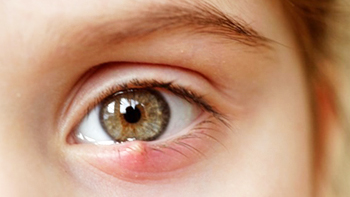

Dealing with a persistent eyelid bump that affects your appearance or vision? A chalazion, a painless lump caused by a clogged oil gland, can be both bothersome and concerning if left untreated. Iran has emerged as a premier destination for chalazion treatment, offering advanced medical care at affordable prices. With expert ophthalmologists, modern clinics, and comprehensive support from Hamintour, patients can achieve quick relief and a smooth recovery while exploring Iran’s rich cultural heritage. This guide covers everything you need to know about chalazion treatment in Iran, from procedures to aftercare.
Why Iran for Chalazion Treatment?
Iran’s healthcare system is renowned for its excellence in ophthalmology, providing high-quality care for conditions like chalazion at a fraction of the cost found elsewhere. Clinics in cities like Tehran and Shiraz are equipped with cutting-edge technology, ensuring precise diagnosis and treatment. Procedures such as steroid injections and surgical removal are performed by experienced specialists who adhere to international standards, delivering results that rival those in Western countries.
The affordability of chalazion treatment in Iran is a major draw. While the procedure can cost around $3,800 in the United States (even with insurance), prices in Iran range from $200 to $400, with no compromise on quality. This cost-effectiveness is due to Iran’s efficient medical infrastructure and competitive pricing. Hamintour enhances this value by offering all-inclusive packages that cover consultations, treatment, accommodations, and transportation, ensuring a seamless experience for international patients.
Beyond medical care, Iran offers a unique opportunity to blend treatment with cultural exploration. Patients can recover while visiting historic landmarks, vibrant bazaars, or tranquil gardens, turning a medical trip into a memorable journey. Hamintour customizes itineraries to include light activities that complement recovery, making the experience both healing and enriching.
Understanding Chalazion
A chalazion is a red, firm, non-painful lump that typically forms on the upper eyelid when an oil gland becomes blocked. Unlike a stye (hordeolum), which is a painful, infected bump near the eyelash, a chalazion is non-infectious but can cause discomfort, droopy eyelids, or vision issues if untreated. Here’s a quick comparison:
|
Feature |
Chalazion |
Stye (Hordeolum) |
|---|---|---|
|
Symptoms |
Large, red, painless, swollen |
Small, painful, tender, inflamed |
|
Location |
Upper eyelid, above eyelash line |
Near eyelash follicle |
|
Treatment |
Warm compress, steroid injection, surgery |
Warm compress, drainage |
|
Complications |
May cause ptosis or vision issues |
Risk of abscess if untreated |
If a chalazion persists for over two months or causes significant discomfort, professional treatment is recommended to prevent complications like infection or vision interference.
Treatment Options for Chalazion
Most chalazia resolve naturally with home remedies like warm compresses, which encourage drainage. However, when these fail, professional interventions are highly effective:
-
Steroid Injections: A quick, non-surgical option that reduces inflammation and shrinks the chalazion, often used for smaller or less persistent lumps.
-
Surgical Removal: A brief outpatient procedure to drain the chalazion’s contents, recommended for larger or stubborn cases.
In Iran, both methods are performed by skilled ophthalmologists using advanced techniques, ensuring minimal discomfort and high success rates. Hamintour connects patients with top specialists and clinics, tailoring treatment plans to individual needs.
How is Chalazion Surgery Performed?
Chalazion surgery is a simple, outpatient procedure lasting 15-20 minutes. Here’s what to expect:
-
Anesthesia: Local anesthesia or a numbing injection is applied to the eyelid to ensure comfort.
-
Incision: The surgeon makes a small incision on the inner or outer eyelid, depending on the chalazion’s size and location.
-
Drainage: The clogged material is carefully drained, and the area is cleaned.
-
Closure: Dissolvable stitches may be used, though often none are needed.
-
Protection: A pressure patch is applied, and antibiotic cream or drops are prescribed to prevent infection.
Patients are monitored briefly post-procedure to ensure safe recovery from anesthesia. Hamintour arranges follow-up visits and provides detailed aftercare guidance to support healing.
Preparing for Chalazion Treatment in Iran
Preparation for chalazion treatment is straightforward but essential:
-
Consultation: Discuss your medical history, current medications, and any health conditions with the ophthalmologist to ensure suitability for treatment.
-
Medication Adjustments: You may need to pause certain medications, such as blood thinners, to reduce risks.
-
Travel Planning: Hamintour handles logistics like visas, accommodations, and medical interpreters, ensuring a stress-free journey to Iran.
Hamintour’s team reviews your medical records and coordinates with top specialists to schedule your treatment, making the process seamless for international patients.
Recovery and Aftercare
Recovery from chalazion surgery is quick, with most patients resuming normal activities within a week. Key aftercare steps include:
-
Medications: Use prescribed antibiotic drops or ointment to prevent infection and reduce inflammation.
-
Eye Protection: Wear an eye patch for up to a week and avoid rubbing the eye.
-
Activity Restrictions: Refrain from swimming, wearing contact lenses, applying eye makeup, or engaging in strenuous activities for 4-7 days.
-
Managing Symptoms: Mild swelling, bruising, or fluid discharge is normal; apply cold compresses to reduce swelling.
Full recovery typically takes 1-2 weeks, though patients can usually travel home the day after surgery, pending doctor approval. Hamintour provides transportation and follow-up support to ensure a smooth recovery process.
Risks and Benefits
Chalazion surgery is low-risk, with rare complications like minor bruising, bleeding, or infection. There’s a slight chance of tear gland damage or anesthesia-related side effects, such as nausea, but these are uncommon. The benefits—rapid relief from discomfort, restored eyelid appearance, and prevention of vision issues—far outweigh the risks. Iran’s high success rates and expert care make it a trusted choice for this procedure.
Why Choose Hamintour?
Hamintour is a leading facilitator of medical tourism in Iran, specializing in eye care. They connect patients with accredited clinics and experienced ophthalmologists, ensuring top-quality treatment. Their all-inclusive packages cover consultations, procedures, accommodations, transfers, and cultural experiences at transparent prices. With English-speaking coordinators and 24/7 support, Hamintour makes the journey accessible and worry-free.
A Healing Journey with Cultural Enrichment
Opting for chalazion treatment in Iran offers more than medical relief—it’s a chance to explore a country rich in history and hospitality. From the stunning mosques of Isfahan to the lively markets of Tehran, patients can enjoy light sightseeing during recovery, carefully planned by Hamintour to align with medical needs.
In conclusion, Iran provides world-class chalazion treatment at unbeatable prices, backed by expert care and modern facilities. With Hamintour’s dedicated support, patients can achieve clear, comfortable vision and a memorable travel experience.
Frequently Asked Questions
-
What is a chalazion, and how does it differ from a stye?
A chalazion is a painless, red lump on the upper eyelid caused by a clogged oil gland, while a stye is a painful, infected bump near the eyelash. -
How much does chalazion treatment cost in Iran?
Treatment costs range from $200 to $400, significantly less than $3,800 in countries like the USA. -
What treatments are available for chalazion in Iran?
Options include warm compresses, steroid injections, and surgical removal, tailored to the chalazion’s severity. -
How does Hamintour assist with chalazion treatment?
Hamintour coordinates consultations, procedures, accommodations, transfers, and cultural activities for a seamless experience. -
Is chalazion surgery safe in Iran?
Yes, it’s a low-risk procedure performed by expert ophthalmologists in modern clinics with high success rates. -
How long is the recovery period after chalazion surgery?
Most patients recover within 1-2 weeks, with mild swelling or bruising subsiding sooner. -
Can I travel after chalazion surgery?
Patients can typically travel home the day after surgery, but consult your doctor to confirm. -
What are the risks of chalazion surgery?
Rare risks include minor bruising, infection, or tear gland damage, but these are minimized with proper care. -
Can I combine treatment with sightseeing in Iran?
Yes, Hamintour arranges light cultural activities, like visiting historic sites, to enhance recovery. -
How do I arrange chalazion treatment in Iran?
Contact Hamintour via their website or messaging apps for a free consultation and personalized treatment plan.