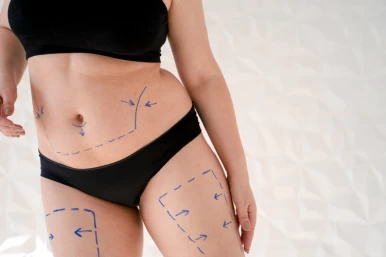

Significant weight loss, whether through bariatric surgery or lifestyle changes, is a transformative achievement. However, excess skin can pose physical and emotional challenges. At Hamintour, we provide expert guidance to manage this common concern, combining scientific insights, practical solutions, and real-world examples to help you align your appearance with your healthier self.
Why Excess Skin Happens
Excess skin is a frequent outcome of substantial weight loss, especially after losing 50+ pounds. A 2023 study in Plastic and Reconstructive Surgery found that 70% of bariatric surgery patients experience some degree of skin laxity (PubMed). Understanding why this occurs is key to addressing it effectively.
Causes of Loose Skin
- Skin Stretching: Weight gain expands fat cells, stretching the skin like an overextended rubber band, reducing its elasticity.
- Collagen and Elastin Damage: Prolonged stretching weakens collagen (structure) and elastin (elasticity), impairing the skin’s ability to retract. A 2022 Journal of Dermatological Science study notes that chronic stretching reduces collagen production by up to 20% (PubMed).
- Influencing Factors: Age, genetics, sun exposure, and rapid weight loss increase skin laxity.
Hamintour Insight: Gradual weight loss and proper skin care can mitigate severity.
Who Experiences Excess Skin?
Not everyone faces significant loose skin, but certain factors increase the likelihood:
- Age: Older skin loses elasticity faster (American Academy of Dermatology, 2024).
- Genetics: Some inherit more elastic skin, reducing laxity.
- Weight Loss Amount: Losing 50+ pounds heightens risk.
- Rate of Loss: Rapid loss (e.g., post-bariatric surgery) outpaces skin retraction.
- Surgery Type: Gastric bypass often leads to more skin laxity than sleeve gastrectomy due to greater weight loss (ASPS, 2024).
Extent of Loose Skin:
- Mild Loss (up to 20 lbs): Minimal skin changes.
- Moderate Loss (20–50 lbs): Noticeable laxity in abdomen or arms.
- Significant Loss (50+ lbs): Moderate to severe sagging in multiple areas.
Common Areas Affected:
- Abdomen
- Thighs
- Arms
- Breasts
- Chin
Case Study: Maria, 45, lost 80 pounds through Hamintour’s bariatric program. She noticed sagging skin on her abdomen and arms but managed mild cases with Hamintour’s recommended strength training and non-surgical treatments.
Preventing Excess Skin
While complete prevention may not be possible, proactive steps can minimize skin laxity:
- Gradual Weight Loss: Aim for 1–2 pounds per week to allow skin adaptation (WHO, 2023).
- Hydration: Drinking 8–10 glasses of water daily supports skin elasticity.
- Strength Training: Building muscle fills loose skin, enhancing tone (Journal of Strength and Conditioning Research, 2023).
- Nutrition: Protein (1.2–2.0 g/kg body weight) and vitamin C boost collagen production (PubMed, 2022).
- Sun Protection: UV damage weakens skin; use SPF 30+ daily (AAD, 2024).
Hamintour Tip: Our nutritionists and fitness experts design personalized plans to support skin health during weight loss.
Non-Surgical Solutions with Hamintour
Non-surgical options can improve mild to moderate skin laxity without invasive procedures:
- Compression Garments: Reduce swelling and support skin retraction.
- Topical Treatments: Retinol or vitamin C creams may enhance collagen, though results are modest (Dermatologic Surgery, 2022).
- Laser Therapy: Stimulates collagen production for tighter skin. A 2023 study showed 15–25% improvement in skin firmness (PubMed).
- Radiofrequency Treatments: Heat-based therapies promote tightening with minimal downtime.
Real-Life Example: John, 50, used Hamintour’s laser therapy plan post-60-pound weight loss. After six sessions, his abdominal skin tightened noticeably, boosting his confidence for daily activities.
Surgical Solutions for Excess Skin
For severe cases, body contouring surgeries offer transformative results. Hamintour connects you with board-certified surgeons to ensure safety and satisfaction.
Common Procedures
- Abdominoplasty (Tummy Tuck): Removes excess abdominal skin and fat, tightening the area for a flatter look.
- Body Lift: Targets arms, thighs, or buttocks, sculpting larger areas.
- Breast Lift: Restores shape and firmness post-weight loss.
- Brachioplasty (Arm Lift): Addresses sagging arm skin.
- Lower Body Lift: Combines thigh and buttock contouring for comprehensive results.
Clinical Scenario: Sarah, 40, underwent a tummy tuck through Hamintour after losing 100 pounds. The procedure removed 5 pounds of excess skin, giving her a toned abdomen and renewed confidence for her active lifestyle.
Key Considerations
- Timing: Wait 12–18 months after reaching a stable weight (ASPS, 2024).
- Risks: Include scarring, infection, or prolonged swelling. Hamintour minimizes risks with expert surgeons.
- Insurance: Most plans don’t cover cosmetic procedures; consult Hamintour for financing options.
- Emotional Impact: Surgery enhances self-esteem but requires realistic expectations.
Hamintour Pro Tip: Combine procedures (e.g., tummy tuck and arm lift) for comprehensive results, reducing overall recovery time.
Comparing Non-Surgical and Surgical Options
| Option | Non-Surgical | Surgical |
|---|---|---|
| Invasiveness | None | Requires incisions |
| Downtime | Minimal | 2–6 weeks |
| Results | Modest, gradual | Dramatic, immediate |
| Cost | Lower | Higher |
| Best For | Mild laxity | Moderate to severe laxity |
Hamintour Insight: Non-surgical options suit early intervention; surgery is ideal for significant skin excess.
Emotional and Lifestyle Impact
Excess skin can affect self-esteem, but your weight loss journey is a triumph. A 2024 Journal of Behavioral Medicine study found that 80% of patients felt prouder of their health improvements than concerned about loose skin (PubMed). Hamintour offers support groups to connect with others, fostering emotional resilience.
Lifestyle Tips:
- Maintain a stable weight to preserve results.
- Engage in regular exercise (e.g., 150 minutes/week of moderate activity, WHO, 2023).
- Seek counseling if excess skin impacts mental health.
Choosing the Right Path with Hamintour
Deciding how to manage excess skin depends on your goals, health, and budget. Hamintour provides personalized consultations to assess skin laxity and recommend solutions, from non-surgical therapies to advanced surgeries.
Factors to Consider:
- Severity: Mild cases may respond to non-surgical methods; severe cases often require surgery.
- Lifestyle: Non-surgical options suit busy schedules; surgery requires downtime.
- Budget: Non-surgical treatments are more affordable but less dramatic.
Hamintour’s Commitment: We prioritize safety, transparency, and patient satisfaction, guiding you every step of the way.
FAQs: Excess Skin with Hamintour
1. Does everyone get excess skin after weight loss?
No, it depends on age, genetics, and weight loss amount. Losses over 50 pounds increase likelihood (ASPS, 2024).
2. Can exercise eliminate loose skin?
Strength training can improve tone but won’t fully eliminate significant excess skin (PubMed, 2023).
3. When should I consider surgery?
Wait 12–18 months after stabilizing weight for skin to adapt naturally (ASPS, 2024).
4. Are non-surgical treatments effective?
They improve mild laxity but offer modest results compared to surgery (Dermatologic Surgery, 2022).
5. What are the risks of skin removal surgery?
Scarring, infection, or swelling. Hamintour partners with experts to minimize risks.
Transform with Hamintour
Excess skin doesn’t diminish your weight loss victory. Whether you choose non-surgical treatments or body contouring surgery, Hamintour supports your journey with expert care and personalized plans. Visit the Hamintour blog for more insights or contact us to schedule a consultation.
Sources:
- Plastic and Reconstructive Surgery (PubMed, 2023)
- Journal of Dermatological Science (PubMed, 2022)
- American Society of Plastic Surgeons (ASPS), 2024
- Journal of Behavioral Medicine (PubMed, 2024)
- World Health Organization (WHO), 2023