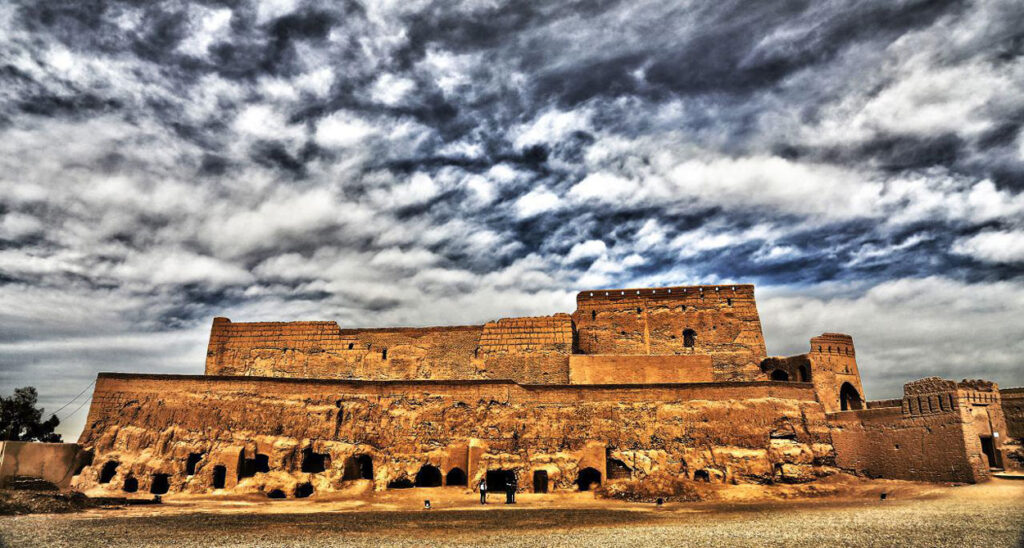

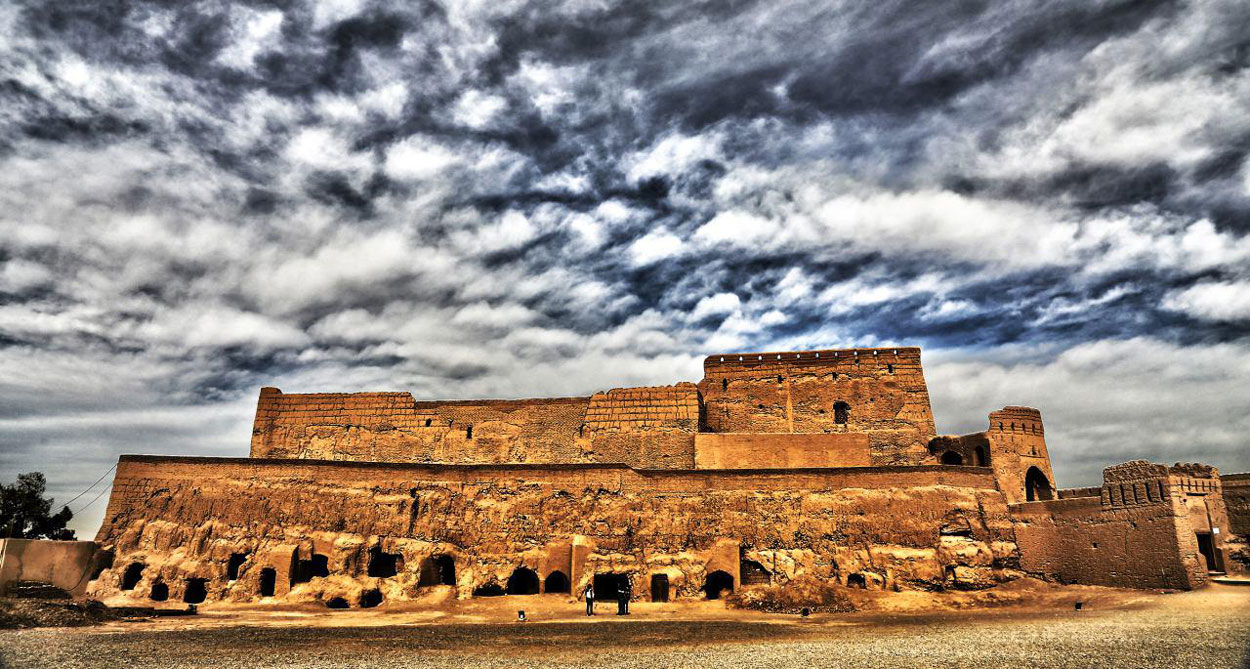
Step into the ancient heart of Iran with Hamintour at Narin Castle, a millennia-old fortress in Meybod, Yazd Province. Once near the ancient Saveh Sea, Meybod is now a treasure trove of history, showcasing landmarks like Narin Castle, Shah Abbasi Caravanserai, and Jame Mosque. Narin Castle, a Sasanian-era marvel registered as a national heritage site in 1354 (Iranian calendar), stands as Iran’s largest adobe fortress after Bam Citadel. With Hamintour, uncover the rich history, intricate architecture, and cultural significance of this iconic site, attracting tourists, scholars, and history enthusiasts to Meybod’s timeless legacy.
Narin Castle Overview
Perched on a 25-meter hill 50 kilometers northwest of Yazd, Narin Castle dominates Meybod’s skyline. As Iran’s second-largest adobe fortress, it mirrors the architectural grandeur of Bam Citadel. Built at the city’s highest point, the castle is surrounded by historic structures, creating a captivating backdrop. Hamintour’s guided tours reveal its ancient origins, potentially dating to Prophet Suleiman’s era, with excavations uncovering terracotta fragments depicting human-animal figures from the third millennium BC, reminiscent of Elamite art.
Narin Castle Architecture
Spanning over three hectares in its Shahneshin section (approximately 15,000 square meters), Narin Castle boasts seven levels, featuring towers, ramparts, and gates. Constructed with mud-brick and clay, it reflects Sasanian ingenuity. The castle is divided into two sections: the lower Sharstan, once housing residential quarters, a mosque, and a bathhouse (now in ruins), and the upper Shahneshin, with three-story structures in a spiral layout. Hamintour highlights the strategic wall openings that allow natural light, showcasing the castle’s blend of function and beauty.
Key Sections of Narin Castle
Narin Castle’s surviving components offer a glimpse into its historical significance, explored with Hamintour:
Defensive Ditch
A mile-long moat beneath the castle served as a military defense, protecting against invasions. This feature, common in Iranian fortifications, underscores Narin’s strategic design.
Interconnected Rooms
The fortress houses numerous interconnected chambers, many inaccessible due to collapsed corridors in the lower levels. Hamintour’s tours delve into the castle’s complex layout, revealing its historical depth.
Cylindrical Towers
Four tall towers once stood proudly, though only their central sections remain. These structures highlight the castle’s defensive architecture.
Ancient Well
A quadrangular well within the castle testifies to its ancient engineering, ensuring water supply for residents.
Entrance Gate
Flanked by two towers on the western side, the gate served as both a passageway and a defensive stronghold.
Wooden Bridge (Historical)
A wooden bridge, demolished in 1343 AH during street construction, once connected the castle to the city over the moat.
Visitor Notes
Plan your visit to Narin Castle with Hamintour using these tips:
-
Hours: Open daily from 8:00 AM to 5:00 PM, closed on public holidays.
-
Admission: An entry fee is required.
-
Preservation: Avoid damaging the site to protect this heritage.
-
Best Time: Visit in autumn or early winter to enjoy cooler weather.
-
Respect: Maintain the site’s integrity during your visit.
Narin Castle Location
Narin Castle is located in Meybod, Yazd Province, 50 kilometers northwest of Yazd city, atop a 25-meter hill. From Meybod’s municipal square, head to Imam Khomeini Street to reach this towering fortress. Hamintour’s travel packages make accessing this historic site seamless.
View Narin Castle on Google Maps.
Book your Yazd adventure with Hamintour.
Conclusion
Narin Castle, a mud-brick marvel in Meybod, embodies Iran’s ancient architectural brilliance. With similarities to Isfahan’s Ali Qapu Palace, including elevated terraces and spiral staircases, it highlights shared regional traditions. Its underground chamber, possibly a prison, and grand courtyard underscore its pre-Islamic strategic role. Hamintour invites you to explore this historic fortress, a testament to Persia’s enduring legacy. Book your journey today to experience Meybod’s cultural treasure with Hamintour.
FAQs
What era is Narin Castle from?
Narin Castle dates to the Sasanian era, with origins possibly linked to Prophet Suleiman’s time, explored with Hamintour.
How far is Narin Castle from Yazd?
It’s 50 kilometers northwest of Yazd city, easily accessible via Hamintour’s tours.
When is the best time to visit Narin Castle?
Autumn or early winter offers the best weather for visiting with Hamintour.