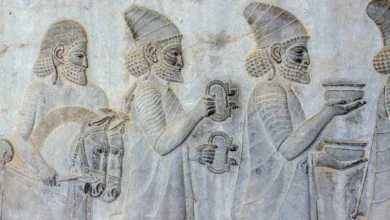

Iran, the heartland of ancient Persia, is a treasure trove of historical sites that echo the grandeur of empires like the Achaemenid, Elamite, and Sassanian. From towering ziggurats to intricate rock reliefs, these UNESCO-recognized landmarks showcase architectural brilliance, cultural depth, and stories of kings and gods. hamintour’s expert-led journeys blend scholarly insights with immersive exploration, ensuring you experience Persia’s legacy firsthand. Below is the ultimate guide to Iran’s must-visit historical sites, curated for history enthusiasts and curious travelers alike.
Must-Visit Historical Sites in Iran
These iconic sites, spanning millennia, are non-negotiable stops for exploring ancient Persia. hamintour crafts seamless visits with local guides to unravel their stories.
Persepolis, Shiraz (Fars Province)
Known as Takht-e Jamshid (Throne of Jamshid) to Iranians, Persepolis, 60km northeast of Shiraz, was the Achaemenid Empire’s ceremonial capital, founded by Darius I in 518 BCE. This UNESCO World Heritage Site boasts colossal columns, Apadana Palace staircases with bas-reliefs of tribute-bearers, and the Gate of All Nations. Though partially burned by Alexander the Great, its enduring grandeur—lion motifs, cuneiform inscriptions—captivates. hamintour’s sunrise tours catch the ruins’ golden glow, paired with Shiraz’s poetic charm.
- Why Visit: A pinnacle of Persian architecture, showcasing Achaemenid power.
- Address: 60km northeast of Shiraz, Fars Province.
Naqsh-e Rostam Necropolis, Shiraz (Fars Province)
Just 12km from Persepolis, this desert cliff necropolis houses rock-cut tombs of four Achaemenid kings, including Darius I and Xerxes I, carved 100m high. Its bas-reliefs, mistaken for Shahnameh hero Rostam, depict royal victories, while Sassanian reliefs below show equestrian triumphs. Opposite lies Ka’ba-ye Zartosht, a 40ft Zoroastrian structure—possibly a fire temple or mausoleum. hamintour’s combo tours with Persepolis reveal its mysteries.
- Why Visit: A haunting blend of royal tombs and Zoroastrian enigma.
- Address: 12km north of Persepolis, Fars Province.
Historic City of Yazd (Yazd Province)
The world’s first mud-brick city and second-oldest continuously inhabited city after Venice, Yazd is a UNESCO World Heritage Site. Its labyrinthine alleys, adobe rooftops, and windcatchers (badgirs) reflect ancient Persian ingenuity. The “Ashti Konun” (reconciliation) alleys, too narrow for feuding neighbors to avoid, add whimsical charm. hamintour’s walks explore qanats (underground channels) and Zoroastrian heritage.
- Why Visit: A living museum of desert architecture and culture.
- Address: Central Yazd, Yazd Province.
Towers of Silence, Yazd (Yazd Province)
Known as “dakhme,” these Zoroastrian sky burial sites, 15km from Yazd, sit atop hills to keep sacred elements—fire, earth, water—unpolluted by corpses. The 8m-tall circular structures have concentric rings for men, women, and children. hamintour’s guided hikes explain Zoroastrian beliefs about demons and purity, offering panoramic desert views.
- Why Visit: A unique glimpse into Zoroastrian rituals.
- Address: 15km southeast of Yazd, Yazd Province.
Khaju Bridge, Isfahan (Isfahan Province)
Built in 1650 over the Zayandeh River, this Safavid masterpiece doubles as a bridge and dam, with 23 double-layered arches adorned with vibrant tilework. Its chambers served as teahouses for royal gatherings. hamintour’s evening visits catch locals singing under arches, blending architecture with living culture.
- Why Visit: A poetic blend of engineering and aesthetics.
- Address: Zayandeh River, Isfahan.
Chogha Zanbil, Khuzestan (Khuzestan Province)
This 13th-century BCE Elamite ziggurat, a UNESCO World Heritage Site, honors the god Inshushinak with 11 smaller temples, five royal tombs, and three concentric walls. Standing 25m tall despite erosion, it’s one of few surviving Mesopotamian ziggurats. hamintour’s tours from Ahvaz include local Elamite history insights.
- Why Visit: A rare window into pre-Persian Elamite civilization.
- Address: 45km south of Shush, Khuzestan Province.
Arg-e Bam, Kerman (Kerman Province)
This 6th-century BCE fortress-citadel, a UNESCO World Heritage Site, spans 180,000m² with a moat, four gates, and 38 watchtowers. Despite a 2003 earthquake, its governor’s residence, bazaar, mosque, and Mirza Na’air Ensemble endure. hamintour’s tours explore its mud-brick resilience and Silk Road legacy.
- Why Visit: A monumental testament to Persian urban planning.
- Address: Bam, Kerman Province.
Additional Must-Visit Historical Sites
To deepen your journey into ancient Persia, hamintour recommends these complementary sites:
- Pasargadae (Fars Province): Cyrus the Great’s capital (559–530 BCE), with his tomb and minimalist palace ruins—a UNESCO site.
- Bisotun (Kermanshah Province): Darius I’s trilingual inscription and Sassanian reliefs, a UNESCO site that unlocked cuneiform.
- Taq-e Bostan (Kermanshah Province): Sassanian rock reliefs (3rd–4th century CE) depicting royal hunts and coronations.
- Susa (Khuzestan Province): Ancient Elamite city with Achaemenid palaces and the Tomb of Daniel.
- Ecbatana (Hamadan): Median capital (7th century BCE) with archaeological mounds and Hegmataneh Museum.
Practical Tips for Visiting Historical Sites
- Best Time to Visit: Spring (Mar–May) or autumn (Sep–Nov) for mild weather (15–25°C); avoid summer heat (35°C+) and winter chill.
- Getting There: Fly to Shiraz (Persepolis, Naqsh-e Rostam), Yazd (Yazd, Towers of Silence), Isfahan (Khaju Bridge), Ahvaz (Chogha Zanbil), or Kerman (Arg-e Bam) via Imam Khomeini Airport (Tehran). Buses or trains connect cities; hamintour arranges private transfers.
- Dress Code: Modest attire—women need headscarves, long tunics; men avoid shorts. Comfortable shoes for uneven ruins.
- Guides: hamintour’s historian-led tours decode cuneiform, Zoroastrian rituals, and Sassanian art—English, French, or Farsi options.
- Tickets: Most sites charge €1–5; Persepolis and Chogha Zanbil may be pricier. Book via hamintour for group discounts.
- Photography: Allowed, but drones need permits; respect no-flash rules in delicate sites.
- Safety: Sites are safe; stay hydrated, use sunscreen, and stick to marked paths at cliffs like Naqsh-e Rostam.
Cultural Experiences Near Historical Sites
hamintour enhances visits with local immersion:
- Shiraz: Poetry readings at Hafez’s Tomb near Persepolis.
- Yazd: Zoroastrian fire temple visits and badgir workshops.
- Isfahan: Naqsh-e Jahan Square’s mosques and handicraft markets.
- Khuzestan: Elamite artifact talks at Susa Museum.
- Kerman: Ganjali Khan Bazaar for carpets and pistachios.
Frequently Asked Questions (FAQs)
- What are Iran’s top historical sites? Persepolis, Naqsh-e Rostam, Yazd’s mud-brick city, Towers of Silence, Khaju Bridge, Chogha Zanbil, Arg-e Bam.
- When is the best time to visit these sites? Spring (Mar–May) or autumn (Sep–Nov) for mild weather.
- How do I get to these sites? Fly to Shiraz, Yazd, Isfahan, Ahvaz, or Kerman; use buses or hamintour’s private cars.
- What’s the dress code for visiting? Women: headscarf, long tunics; men: no shorts. Comfortable shoes for ruins.
- Are these sites safe to visit? Yes, with low crime; stay hydrated and follow guides at cliff sites.
- What cultural experiences complement these sites? Poetry in Shiraz, Zoroastrian rituals in Yazd, bazaar shopping in Isfahan.
- Do I need a guide for these sites? Recommended for context—hamintour’s experts decode history and symbols.
- Are photography permits needed? No, but drones require permits; no flash in fragile areas.
- What’s the cost to visit these sites? Entry fees €1–5; hamintour offers group rates.
- Why are these sites significant? They reflect Persia’s Achaemenid, Elamite, and Safavid legacies, shaping global cultural history.
With hamintour, Iran’s ancient sites—from Persepolis’ palaces to Yazd’s windcatchers—unveil Persia’s soul, leaving you with stories to tell for years. Extend your trip to explore more ruins and local traditions for a deeper dive into this timeless land.