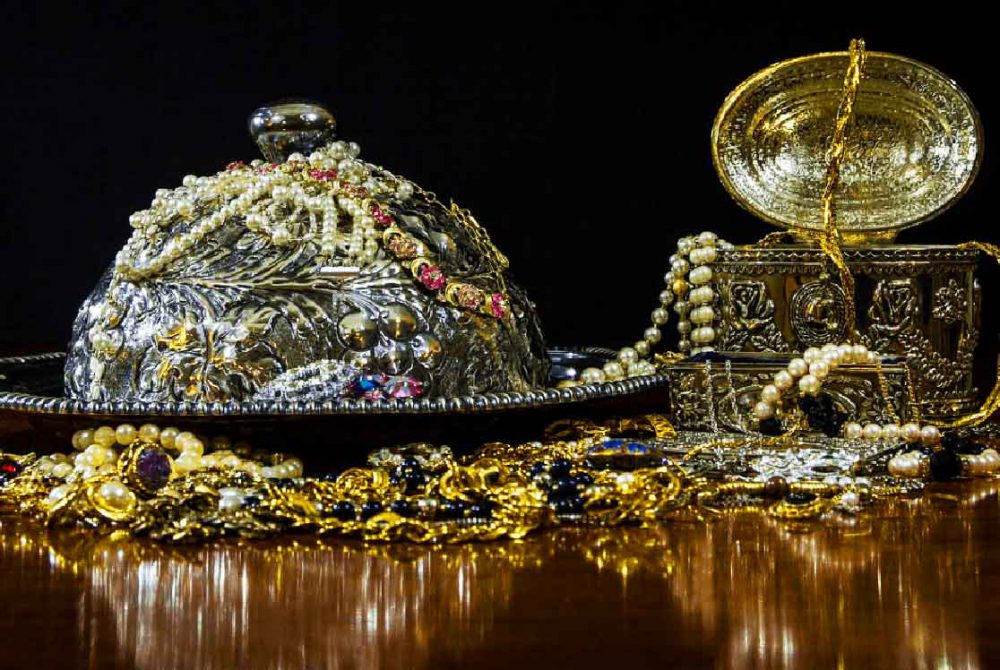

Step into a world of opulence and history with Hamintour at the Treasury of National Jewels, located in the heart of Tehran, Iran. Housed within the Central Bank of Iran, this UNESCO-recognized museum showcases an unparalleled collection of royal jewels, crowns, and artifacts from the Safavid, Qajar, and Pahlavi dynasties. Each piece tells a story of power, artistry, and conquest, offering a rare glimpse into Iran’s imperial past. From the world-famous Daria-i-Noor diamond to the intricately designed Empress’s Crown, the Treasury captivates history buffs, gem enthusiasts, and cultural explorers alike. Join Hamintour to uncover the brilliance of these treasures, where Persian craftsmanship meets global heritage, ensuring an unforgettable journey through Tehran’s cultural heart.
Why Visit the Treasury of National Jewels?
The Treasury of National Jewels is more than a museum; it’s a testament to Iran’s rich history and artistic mastery. Hamintour’s guided tours highlight several compelling reasons to visit this iconic site:
-
Historical Significance: Each jewel narrates tales of conquest, diplomacy, and royal ambition, from Nader Shah’s plunder of India to the coronations of Qajar and Pahlavi kings. These artifacts embody centuries of Iranian resilience and power, offering insights into the nation’s storied past.
-
UNESCO World Heritage: As a globally recognized cultural treasure, the Treasury belongs to humanity, not just Iran. Its collection, preserved by the Central Bank, is a unique repository of Persian artistry, unmatched anywhere else.
-
Gemology Paradise: For jewelry enthusiasts, the Treasury is a dazzling showcase of rare gems, including diamonds, emeralds, rubies, and sapphires, crafted into exquisite designs by master artisans.
-
Exclusive Collection: Iranian law prohibits these jewels from leaving the country, making the Treasury the only place to witness this unparalleled collection, from the Daria-i-Noor to the Jewel-Studded Globe.
-
Inspiration for Creatives: The intricate designs and historical narratives inspire artists, designers, and historians, offering a window into the creativity of Persian jewelers across centuries.
Hamintour’s expert guides enhance your visit with in-depth stories behind each artifact, ensuring a culturally immersive experience. The museum’s secure, climate-controlled environment, managed by the Central Bank, preserves these treasures for future generations, making it a must-visit for anyone exploring Tehran.
Book your Tehran adventure with Hamintour.
Famous Pieces in the Treasury of National Jewels
The Treasury of National Jewels houses some of the world’s most iconic and valuable artifacts, each a masterpiece of craftsmanship and history. Hamintour’s tours delve into the stories behind these treasures, bringing their significance to life.
Empress’s Crown (Shahbanu’s Crown)
Designed by Pierre Arpels in 1966 for Shahbanu Farah Pahlavi, this crown is a pinnacle of modern jewelry design. Selected from 50 proposals, it features 36 emeralds, 36 rubies, 105 pearls, 1,469 diamonds, and a central 150-carat emerald, set on a green-velvet base. Weighing approximately 2 kilograms, it was worn once during Mohammad Reza Pahlavi’s coronation in 1967. Hamintour highlights its elegance, showcasing how it blends contemporary design with Persian opulence.
Pahlavi Crown
Commissioned by Reza Shah in 1925 to mark the founding of the Pahlavi dynasty, this crown rejected the Qajar-era Kiani Crown for a new symbol of power. Weighing around 2 kilograms, it features 3,380 diamonds (including a 60-carat yellow diamond centerpiece), five emeralds, two sapphires, and 368 pearls, set on a red-velvet cap. Standing 30 cm tall and 20 cm wide, it was worn three times: twice by Reza Shah (1925 with the Daria-i-Noor diamond and 1926) and once by Mohammad Reza Shah in 1967. Hamintour’s guides narrate its role in symbolizing Pahlavi sovereignty.
Kiani Crown
Ordered by Fathali Shah of the Qajar dynasty, the Kiani Crown was used by six Qajar kings over 128 years. Adorned with 1,800 pearls, 300 emeralds, and 1,800 rubies, including an 80-carat emerald and a 120-carat ruby (a war trophy from Nader Shah’s Mongol campaign), it sits on a red-velvet cap. Hamintour’s tours emphasize its historical significance, showcasing the Qajar dynasty’s grandeur and the crown’s intricate design.
Jewel-Studded Globe
Weighing an astonishing 37.5 kilograms, this globe, commissioned by Nasser al-Din Shah, is encrusted with 51,000 gemstones, including emeralds for oceans, diamonds for borders, and rubies and sapphires for continents. Iran, Great Britain, France, and parts of South Asia are marked with diamonds, reflecting Qajar ambitions of global dominance. A photograph of Nasser al-Din Shah standing beside it underscores its symbolic power. Hamintour’s guides highlight its craftsmanship and geopolitical significance.
Daria-i-Noor Diamond
The Daria-i-Noor, one of the world’s largest pink diamonds, is a highlight of the Treasury. Mined in India thousands of years ago and brought to Iran by Nader Shah after his 1739 conquest, this gem passed through the hands of Shahrukh Khan, Lotf Ali Khan Zand, Agha Mohammad Khan, and the Qajar and Pahlavi dynasties. Set in a frame flanked by lion motifs, it rivals its twin, the Koh-i-Noor, housed in London’s Tower of London. Hamintour’s tours delve into its storied journey, emphasizing its rarity and cultural value.
Additional Treasures
Beyond these iconic pieces, the Treasury includes:
-
Naderi Throne: A gem-encrusted seat used by Qajar kings, showcasing Persian artistry.
-
Peacock Throne: A replica of the original looted in 1739, adorned with gold and gems.
-
Royal Swords and Shields: Ornate weapons encrusted with jewels, symbolizing military might.
-
Tiara of Empress Farah: A delicate piece with diamonds and emeralds, complementing the Shahbanu’s Crown.
View the Treasury of National Jewels on Google Maps.
Visitor Information
-
Location: Central Bank of Iran, Ferdowsi Avenue, Tehran, Iran
-
Hours: Saturday to Tuesday, 2:00 PM–4:30 PM (closed Wednesday to Friday and national holidays)
-
Admission: Entry fee required; guided tours mandatory for security reasons
-
Photography: Prohibited to protect the artifacts
-
Security: Managed by the Central Bank with advanced surveillance, armed guards, and restricted access to ensure the safety of priceless jewels
Hamintour’s guided tours include transportation from Tehran’s hotels, such as the Espinas Palace, and expert commentary on the jewels’ history. The museum’s secure environment, with bulletproof cases and controlled access, ensures a safe and awe-inspiring visit.
Why Choose Hamintour?
Hamintour transforms your visit to the Treasury of National Jewels into a cultural odyssey, offering:
-
Expert Guides: Knowledgeable guides provide detailed stories behind each artifact, from Nader Shah’s conquests to Pahlavi coronations.
-
Seamless Logistics: Airport transfers, hotel bookings, and museum tickets arranged for a hassle-free experience.
-
Cultural Immersion: Combine your visit with tours to nearby sites like the Golestan Palace, National Museum of Iran, and Grand Bazaar.
-
Personalized Itineraries: Tailored for history buffs, gem enthusiasts, or families, ensuring a memorable journey.
Book your Tehran cultural experience with Hamintour.
Nearby Attractions
The Treasury’s central location in Tehran makes it an ideal starting point for exploring the city’s cultural landmarks, included in Hamintour’s itineraries:
-
Golestan Palace (5-minute drive): A UNESCO-listed Qajar palace with stunning tilework and gardens.
-
National Museum of Iran (7-minute drive): A treasure trove of Persian artifacts from ancient civilizations.
-
Grand Bazaar (10-minute drive): A bustling market offering handicrafts, spices, and Persian carpets.
-
Tehran Museum of Contemporary Art (15-minute drive): Home to works by Picasso, Warhol, and Iranian artists.
-
Si-e Tir Street (8-minute drive): A vibrant area with cafes, churches, and the Abgineh Museum of Glass and Ceramics.
Cultural Significance
The Treasury of National Jewels is a global cultural treasure, preserving Iran’s imperial legacy through artifacts that span the Safavid, Qajar, and Pahlavi dynasties. Each piece, from the Daria-i-Noor to the Kiani Crown, reflects centuries of artistry, conquest, and diplomacy. The collection’s exclusivity, protected by Iranian law, underscores its value as a unique repository of Persian heritage. Hamintour’s tours highlight this significance, connecting visitors to Iran’s past while inspiring awe at the craftsmanship that continues to influence modern jewelry design.
Conclusion
The Treasury of National Jewels in Tehran, managed by the Central Bank and recognized by UNESCO, is a dazzling showcase of Iran’s imperial history and artistic brilliance. From the Empress’s Crown to the Daria-i-Noor diamond, each artifact tells a story of power, creativity, and cultural heritage. With Hamintour, your visit is enriched through expert-guided tours, seamless logistics, and curated itineraries that blend the Treasury with Tehran’s top attractions. Whether you’re a history enthusiast, gem lover, or cultural explorer, this museum offers an unforgettable experience. Book with Hamintour today to discover the glittering legacy of Iran’s royal jewels.
FAQs
Where is the Treasury of National Jewels located?
Inside the Central Bank of Iran on Ferdowsi Avenue, Tehran, easily accessible with Hamintour’s guided tours.
How does the Central Bank secure the Treasury?
The Treasury is protected by advanced surveillance, armed guards, bulletproof display cases, and restricted access, ensuring the safety of its priceless artifacts.
Is photography allowed inside the museum?
No, photography is strictly prohibited to protect the jewels, but Hamintour’s guides provide vivid descriptions to capture the experience.