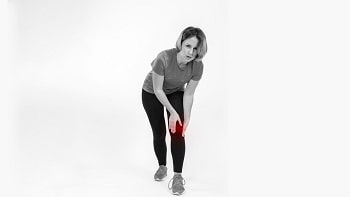

Knee osteotomy surgery, a precise orthopedic procedure designed to realign the knee joint and alleviate pain from conditions like arthritis or misalignment, is increasingly popular in Iran for its outstanding results and affordability. This surgery, particularly beneficial for younger patients seeking to avoid total knee replacement, involves reshaping the bones to redistribute weight and improve function. hamintour, a premier medical tourism partner in Iran, streamlines the entire process, from selecting elite surgeons to arranging seamless travel and recovery support, allowing patients to focus on healing while discovering Iran’s rich cultural heritage.
Why Iran Excels in Knee Osteotomy
Iran’s orthopedic landscape is marked by innovation and expertise, with thousands of successful knee procedures performed yearly in advanced facilities equipped with 3D imaging, robotic assistance, and minimally invasive tools. Iranian surgeons, many with fellowships from top global institutions, achieve success rates exceeding 95%, as highlighted in recent orthopedic studies. The keyword “Iran” embodies a perfect fusion of quality and value—knee osteotomy costs $1,200-$2,500, far below the $10,000-$20,000 in the US, $8,000-$15,000 in the UK, or $5,000-$10,000 in India, enabling up to 80% savings without compromising outcomes.
Hospitals in Iran boast International Patient Departments (IPDs) with state-of-the-art equipment and multilingual teams, ensuring a comfortable experience for international visitors. The nation’s safety, warm hospitality, and cultural vibrancy add to its allure, with travelers often raving about Iran’s welcoming atmosphere. hamintour enhances this by customizing packages that include visa processing, airport transfers, luxury accommodations, and optional excursions to iconic sites like Tehran’s ancient bazaars or Shiraz’s poetic gardens. Patient narratives capture this essence: a young athlete from Europe underwent osteotomy to correct bowlegs, crediting hamintour for swift coordination and a pain-free recovery, while an Asian patient combined her procedure with a tour of Persia’s historic ruins, as shared in hamintour’s engaging video testimonials.
Understanding Knee Osteotomy Surgery
Knee osteotomy addresses joint misalignment by cutting and reshaping the tibia (shinbone) or femur (thighbone) to shift weight away from damaged areas, promoting natural healing and longevity of the knee. This surgery is ideal for early-stage arthritis, bowlegs (genu varum), knock-knees (genu valgum), or patellar tracking issues, where one compartment of the knee bears excessive load. Unlike total replacement, osteotomy preserves the patient’s natural joint, delaying the need for more invasive interventions. In Iran, surgeons often integrate advanced techniques like computer-assisted planning for precise cuts, minimizing risks and optimizing alignment.
The procedure typically lasts 1-2 hours under general or spinal anesthesia. In closing wedge osteotomy—the most common method—the surgeon removes a wedge-shaped bone section to close the gap and realign the joint, secured with plates or screws. Opening wedge osteotomy, alternatively, inserts a bone graft or spacer to open the bone, promoting new growth. Both approaches can be performed arthroscopically for reduced invasiveness. hamintour ensures patients are matched with specialists experienced in these methods, using pre-op assessments like X-rays or CT scans to customize the surgery.
When is Knee Osteotomy Needed?
Knee osteotomy is recommended when conservative treatments—such as physical therapy, bracing, or medications—fail to relieve symptoms, particularly in patients with unicompartmental osteoarthritis or alignment deformities. Key indications include:
- Osteoarthritis: Early-stage wear in one knee compartment, causing pain and stiffness during activities like walking or climbing stairs.
- Bowlegs or Knock-Knees: Structural imbalances leading to uneven weight distribution and joint stress.
- Patellar Tracking Disorders: Misalignment of the kneecap, resulting in instability or recurrent dislocations.
- Post-Traumatic Issues: Residual deformities from fractures or injuries affecting knee alignment.
Symptoms like localized pain (medial or lateral knee), swelling, or reduced mobility, worsening with prolonged standing, signal the need for surgery. For younger, active individuals under 60, osteotomy can prevent progression to severe arthritis. hamintour facilitates thorough evaluations, including virtual consultations, to determine if osteotomy suits the patient’s lifestyle and goals.
Ideal Candidates for Knee Osteotomy
Suitable candidates are typically active individuals aged 40-60 with good overall health, normal body weight, and isolated knee compartment damage. They should experience pain primarily on one side of the knee, exacerbated by activity but relieved by rest, without significant patellofemoral involvement or rheumatoid arthritis, which may contraindicate the procedure. Thin, physically fit patients benefit most, as excess weight can strain the realigned joint. Children or adolescents with growth plate issues may require specialized approaches. hamintour’s team, including orthopedic experts, assesses candidacy through detailed medical history reviews and imaging, ensuring the surgery aligns with long-term mobility needs.
Advantages of Knee Osteotomy
Knee osteotomy offers several benefits, especially for younger patients:
- Joint Preservation: Unlike replacement, it maintains natural bone and cartilage, potentially delaying or avoiding future prosthetics for 10-15 years.
- Minimal Activity Restrictions: Post-recovery, patients resume sports like running or skiing with fewer limitations, preserving an active lifestyle.
- Improved Alignment and Function: Corrects deformities like bowlegs, reducing uneven wear and enhancing stability.
- Shorter Recovery: Less invasive than replacement, with faster return to daily activities.
In Iran, hamintour’s partnerships with leading clinics ensure access to these advantages, with personalized rehab programs accelerating outcomes.
Knee Osteotomy vs. Knee Replacement
While both address knee pain, osteotomy suits early-stage issues in younger patients by realigning the joint without removing it, offering a more natural feel and quicker recovery (3-6 months vs. 6-12 for replacement). Replacement, ideal for advanced arthritis in older adults, involves prosthetic implantation but carries higher risks of wear and revision. Osteotomy may complicate future replacements due to altered bone structure, but it extends the knee’s natural lifespan. In Iran, hamintour guides patients on the best option based on age, activity level, and joint condition, often recommending osteotomy for those under 60 to avoid replacement’s lifelong implications.
Cost of Knee Osteotomy in Iran
Iran’s economic factors, including favorable currency exchange, make knee osteotomy remarkably affordable at $1,200-$2,500, inclusive of surgeon fees, anesthesia, hospital stay, and post-op care—80% less than Western equivalents. This transparency, without hidden costs, appeals to international patients. hamintour provides detailed quotes, incorporating travel and rehab, ensuring budgeting ease.
Preparing for Knee Osteotomy in Iran
Preparation begins with selecting a skilled surgeon, which hamintour facilitates through free consultations. Pre-op steps include:
- Diagnostic imaging (X-rays, MRI) to map the deformity.
- Blood tests and health evaluations to rule out contraindications.
- Stopping anti-inflammatories or blood thinners 1-2 weeks prior.
- Quitting smoking to aid healing.
- Planning home modifications like crutches or elevated seating.
hamintour handles visa, flight, and accommodation logistics, ensuring a stress-free arrival and pre-surgery assessment.
Recovery After Knee Osteotomy
Recovery typically involves 1-2 hospital days, followed by pain management and mobility aids. Patients use crutches or a brace for 4-8 weeks, with physiotherapy starting immediately to rebuild strength. Full weight-bearing resumes in 6-12 weeks, and sports after 3-6 months. Common experiences include temporary swelling or stiffness, managed with ice and exercises. hamintour’s aftercare includes virtual follow-ups and rehab coordination, promoting optimal healing.
Why Partner with hamintour?
hamintour revolutionizes knee osteotomy in Iran with end-to-end support: expert surgeon matching, seamless travel, and cultural immersion. Their patient-centric approach ensures confidence and comfort, from inquiry to full recovery.
Is Knee Osteotomy Worth It?
Absolutely, with 95%+ success rates, knee osteotomy in Iran corrects alignment, relieves pain, and preserves joint life, ideal for active individuals. hamintour’s services make it accessible and rewarding.
Frequently Asked Questions
- Why is Iran ideal for knee osteotomy surgery? Iran combines advanced orthopedic facilities, skilled surgeons, and costs up to 80% lower than Western countries, with success rates above 95%.
- How does hamintour assist with knee osteotomy in Iran? hamintour handles visas, bookings, transfers, and aftercare, offering cultural tours and consultations for a seamless experience.
- What is the cost of knee osteotomy in Iran? It ranges from $1,200 to $2,500, significantly less than $10,000-$20,000 in the US or $8,000-$15,000 in the UK.
- Is knee osteotomy safe in Iran? Yes, with a 95%+ success rate and modern protocols, Iran minimizes risks like infection or misalignment.
- Who is a candidate for knee osteotomy? Active individuals under 60 with isolated compartment damage, bowlegs, or early arthritis, without rheumatoid issues.
- What are the advantages of knee osteotomy over replacement? It preserves the natural joint, allows quicker recovery, and delays replacement, ideal for younger patients.
- How long is recovery after knee osteotomy in Iran? Hospital stay 1-2 days, crutches for 4-8 weeks, full activities in 3-6 months with physiotherapy.
- What preparations are needed for knee osteotomy? Imaging tests, medication adjustments, and home setup, coordinated by hamintour.
- What post-operative care is essential? Pain management, bracing, and rehab exercises, with hamintour providing ongoing support.
- Can I combine knee osteotomy with tourism in Iran? Yes, hamintour arranges cultural tours to historic sites, enhancing recovery with enriching experiences.