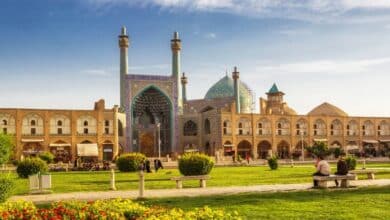

Introduction Naqsh-e Jahan Square, the beating heart of Isfahan, is a UNESCO World Heritage Site that embodies Iran’s rich cultural and historical legacy. This grand rectangular plaza, one of the largest in the world, is surrounded by architectural masterpieces from the Safavid era, vibrant markets, and serene gardens. Known as the “Diamond of Isfahan,” it draws global travelers with its timeless beauty and bustling energy. With hamintour, a trusted leader in Iranian tourism, exploring this iconic square becomes a seamless, enriching experience. This guide covers everything you need to know about Naqsh-e Jahan Square in 2025, from its storied past to its must-see landmarks.
History of Naqsh-e Jahan Square
Originally called Shah Square, Naqsh-e Jahan was established under Shah Abbas I when Isfahan became the Safavid capital in the late 16th century. Before its expansion, the site housed a royal garden and palace for governmental affairs and executions. Under Shah Abbas I, the square took shape with monumental structures, later expanded by Shah Abbas II, earning its name “Naqsh-e Jahan” (Image of the World).
Neglected after the capital shifted to Tehran, it faced decline until Reza Shah’s restoration efforts in the 20th century revived its splendor. Today, it remains a vibrant hub for Nowruz celebrations and tourism. Hamintour’s guided tours illuminate this transformative history, bringing the Safavid era to life.
Naqsh-e Jahan Information
Located in northern Isfahan, Naqsh-e Jahan Square spans 500 meters by 160 meters, making it one of the world’s largest public squares. Its rectangular design, framed by four iconic monuments and 200 two-story shops, blends commerce, culture, and architecture. Once the Safavid capital’s centerpiece, it hosted polo matches and royal ceremonies.
Accessible via metro (Imam Hossein Station) or bus, the square’s central location and lush green spaces make it a recreational haven. Hamintour ensures seamless visits with transport options and expert guides, perfect for exploring its vibrant atmosphere.
Sights of Naqsh-e Jahan Square
Naqsh-e Jahan is a treasure trove of Safavid-era landmarks, each a masterpiece of Persian artistry:
- Imam Mosque (Shah Mosque): On the southern side, this 11th-century mosque, built under Shah Abbas I, is a pinnacle of Islamic architecture. Designed by Ali Akbar Esfahani, its towering minarets, intricate tilework, and soaring dome dazzle visitors. Its acoustic design and calligraphy are global marvels.
- Sheikh Lotfollah Mosque: On the eastern side, this mosque, completed over 18 years, lacks a minaret but captivates with its peacock-patterned dome, where light creates a mesmerizing effect. Its intimate prayer hall reflects Safavid elegance.
- Ali Qapu Palace: On the western side, this 48-meter, six-story palace, built across 70-100 years, served as Shah Abbas I’s residence. Known for its “music room” with intricate plasterwork and a marble threshold kissed by visitors, it offers panoramic square views.
- Qeysariyeh Gate: At the northern entrance to Isfahan’s bazaar, this three-story gate once housed a Naqareh Khaneh for time announcements. Its main gate, four doors, and pond frame a bustling market with shops selling carpets, spices, and handicrafts.
- Polo Gates: Stone columns on the north and south mark historic polo fields, a nod to the square’s role as a Safavid sports hub.
Hamintour’s curated tours provide in-depth exploration of these sites, blending historical insights with cultural immersion.
Naqsh-e Jahan Square: The Diamond of Isfahan
As Isfahan’s cultural crown, Naqsh-e Jahan Square is a vibrant stage for history and leisure. Its meticulously landscaped gardens, horse-drawn carriages, and lively bazaar create a festive ambiance, especially during Nowruz. The square’s 200 shops offer Persian crafts, from turquoise jewelry to miniature paintings, making it a shopper’s paradise.
With hamintour, enjoy tailored experiences like evening strolls under illuminated domes or private bazaar tours. Spring (March-May) and fall (September-October) are ideal for mild weather, enhancing the square’s allure for families, couples, and solo travelers.
Why Visit Naqsh-e Jahan Square?
Naqsh-e Jahan is more than a square—it’s a living testament to Iran’s Safavid golden age, blending architectural splendor with cultural vitality. Its UNESCO status, iconic monuments, and bustling markets make it a must-visit for anyone exploring Isfahan. With hamintour, your visit is elevated with expert guides, skip-the-line access, and curated itineraries, ensuring a memorable journey through this Persian masterpiece. Whether marveling at the Imam Mosque’s tiles or shopping in the bazaar, Naqsh-e Jahan promises an indelible experience.
Frequently Asked Questions (FAQs)
- What is the historical significance of Naqsh-e Jahan Square? Built under Shah Abbas I, it was the Safavid capital’s centerpiece, later expanded and restored, earning UNESCO recognition.
- What are the main sights in Naqsh-e Jahan Square? Imam Mosque, Sheikh Lotfollah Mosque, Ali Qapu Palace, Qeysariyeh Gate, and Polo Gates.
- How large is Naqsh-e Jahan Square? It measures 500 meters by 160 meters, one of the world’s largest public squares.
- What makes the Imam Mosque unique? Its 11th-century tilework, minarets, and acoustic design make it a global Islamic architectural marvel.
- Why does Sheikh Lotfollah Mosque lack a minaret? Built as a private royal mosque, its intimate design prioritizes aesthetic elegance over public features.
- What is the Ali Qapu Palace known for? Its six-story structure, music room with intricate plasterwork, and historic marble threshold.
- What can I buy at Qeysariyeh Gate’s bazaar? Persian carpets, spices, jewelry, handicrafts, and miniature paintings.
- How do I reach Naqsh-e Jahan Square? Use the metro (Imam Hossein Station), buses, or taxis; hamintour offers private transfers for ease.
- When is the best time to visit? Spring (March-May) or fall (September-October) for pleasant weather and vibrant gardens.
- How does hamintour enhance a visit? Hamintour provides guided tours, priority access, and curated experiences like bazaar shopping or evening strolls.