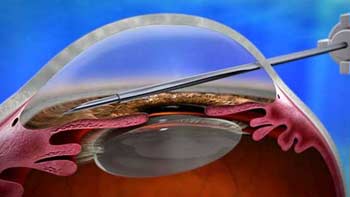

For those facing the challenges of glaucoma, seeking timely and effective treatment is critical to preserving vision. Iran has emerged as a top destination for advanced eye care, offering cutting-edge glaucoma surgeries performed by highly skilled ophthalmologists in state-of-the-art facilities. With a focus on affordability and quality, Iran provides a compelling option for international patients looking to address this serious eye condition while experiencing the country’s rich cultural heritage. Partnering with Hamintour, a trusted leader in medical tourism, ensures a seamless and stress-free journey from consultation to recovery.
Why Iran Excels in Glaucoma Care
Iran’s healthcare system is renowned for its expertise in ophthalmology, particularly in treating complex conditions like glaucoma. The country boasts modern eye clinics equipped with the latest diagnostic and surgical technologies, rivaling those in Western nations. Procedures such as trabeculectomy, laser trabeculoplasty, and cyclophotocoagulation are performed with precision, tailored to each patient’s specific needs. These treatments aim to reduce intraocular pressure (IOP), the primary cause of optic nerve damage in glaucoma, helping to prevent further vision loss.
The affordability of glaucoma treatment in Iran is a major advantage. Costs for surgeries, consultations, and aftercare are significantly lower—often 60-80% less—than in Europe, North America, or even neighboring countries. This is driven by Iran’s efficient healthcare infrastructure and competitive pricing, without compromising on quality. Patients receive care from board-certified specialists, many of whom have trained globally and bring extensive experience to their practice. Hamintour enhances this experience by coordinating every detail, from selecting the best hospitals to arranging comfortable accommodations near treatment centers.
Understanding Glaucoma and Its Impact
Glaucoma is a progressive eye disease that damages the optic nerve, often due to elevated pressure from fluid buildup in the eye. If left untreated, it can lead to irreversible vision loss, making it the second leading cause of blindness worldwide, especially among older adults. Early detection through regular eye exams is vital, as many types of glaucoma develop without noticeable symptoms until significant damage has occurred. Iran’s clinics use advanced diagnostic tools, such as optical coherence tomography (OCT) and tonometry, to detect and monitor the condition effectively.
Types of Glaucoma
- Open-Angle Glaucoma: The most common form, caused by partial blockages in the eye’s drainage system, leading to gradual pressure buildup and optic nerve damage.
- Angle-Closure Glaucoma: Occurs when the iris blocks the drainage angle, causing sudden or chronic pressure increases; acute cases require immediate attention.
- Normal-Tension Glaucoma: Optic nerve damage occurs despite normal eye pressure, possibly due to reduced blood flow or sensitive nerves.
- Pigmentary Glaucoma: Pigment granules from the iris clog drainage channels, causing intermittent pressure spikes.
- Congenital Glaucoma: Affects infants and young children due to developmental issues in the eye’s drainage system.
Non-Surgical and Surgical Treatment Options
In early stages, glaucoma can often be managed with non-surgical methods. Eye drops and oral medications help reduce intraocular pressure by improving fluid drainage or decreasing fluid production. However, these treatments require strict adherence, as they are preventive and cannot reverse existing damage. Patients must communicate any side effects, such as irritation from drops, to their doctors for adjustments.
When medications are insufficient, surgery becomes necessary. Iran’s eye specialists offer a range of advanced procedures:
- Trabeculectomy: A traditional surgery that creates a new drainage pathway to lower eye pressure, often reducing or eliminating the need for medications.
- Laser Trabeculoplasty: Includes argon laser trabeculoplasty (ALT) and selective laser trabeculoplasty (SLT), which use targeted lasers to enhance drainage in open-angle glaucoma.
- Peripheral Iridotomy/Iridectomy: Laser-based treatments for angle-closure glaucoma, creating or removing a small portion of the iris to improve fluid flow.
- Cyclophotocoagulation: Reduces fluid production by targeting the ciliary body, suitable for advanced cases.
- Minimally Invasive Glaucoma Surgery (MIGS): Includes devices like iStent and Hydrus microstent, offering less invasive options with faster recovery.
These procedures are performed in outpatient settings, allowing patients to return to their accommodations the same day. Hamintour ensures patients are connected with top-tier surgeons and facilities, maximizing the chances of successful outcomes.
Recovery and Aftercare
Post-surgery, patients are monitored briefly before discharge, with follow-up appointments scheduled to track progress. Eye patches may be used temporarily, and medications like antibiotics or anti-inflammatory drops are prescribed to prevent infection and manage pressure. Patients are advised to avoid activities like swimming, heavy lifting, or driving for a few weeks to ensure proper healing. Hamintour provides personalized aftercare plans, including transportation and follow-up coordination, to support a smooth recovery.
Why Choose Hamintour for Your Glaucoma Journey?
Hamintour stands out as a premier medical tourism facilitator in Iran, offering comprehensive support for international patients. From arranging consultations with leading ophthalmologists to securing visas and organizing cultural excursions during recovery, Hamintour ensures a holistic experience. Their team provides 24/7 assistance, English-speaking guides, and transparent pricing that includes surgery, accommodations, and transfers. This all-inclusive approach allows patients to focus on their health while enjoying Iran’s warm hospitality and iconic sights, such as the historic palaces of Tehran or the tranquil gardens of Shiraz.
Risks and Benefits of Glaucoma Surgery
While glaucoma surgery carries risks like infection, bleeding, or temporary vision changes, these are rare and outweighed by the benefits. Successful surgery can halt disease progression, preserve remaining vision, and, in many cases, reduce reliance on medications. Iran’s high success rates, combined with rigorous safety protocols, make it a trusted destination for these procedures.
A Unique Blend of Healing and Exploration
Choosing Iran for glaucoma treatment offers more than just medical care. Patients can recover while exploring vibrant bazaars, ancient ruins, or scenic landscapes, turning a medical trip into a memorable adventure. Hamintour tailors itineraries to include light activities that complement recovery, ensuring a fulfilling experience.
In conclusion, Iran provides world-class glaucoma treatment at a fraction of the cost, backed by expert care and modern facilities. With Hamintour’s dedicated support, patients can confidently address their eye health while discovering the beauty of Iran.
Frequently Asked Questions
- What is glaucoma, and why is early treatment important? Glaucoma is an eye condition that damages the optic nerve, often due to high eye pressure. Early treatment prevents irreversible vision loss.
- How affordable is glaucoma surgery in Iran compared to other countries? Surgery in Iran costs 60-80% less than in Western countries, with no compromise on quality.
- What types of glaucoma surgeries are available in Iran? Options include trabeculectomy, laser trabeculoplasty, peripheral iridotomy, cyclophotocoagulation, and minimally invasive procedures like MIGS.
- How does Hamintour assist with medical travel to Iran? Hamintour arranges consultations, surgeries, accommodations, transfers, and cultural tours for a seamless experience.
- Is Iran safe for medical tourists seeking eye care? Yes, Iran has low crime rates, secure medical facilities, and Hamintour provides constant support for safety.
- Can I combine my glaucoma treatment with tourism in Iran? Absolutely, Hamintour organizes light sightseeing during recovery, such as visits to historic sites or markets.
- What should I expect during recovery from glaucoma surgery? Recovery involves a short hospital stay, follow-up visits, and avoiding strenuous activities for a few weeks.
- Are Iranian ophthalmologists qualified for glaucoma surgery? Many are globally trained, highly experienced, and work in advanced clinics meeting international standards.
- What diagnostic tools are used for glaucoma in Iran? Clinics use technologies like OCT, tonometry, and visual field testing for accurate diagnosis and monitoring.
- How can I get a cost estimate for glaucoma surgery in Iran? Contact Hamintour via their website or messaging apps for a free, transparent quote tailored to your needs.