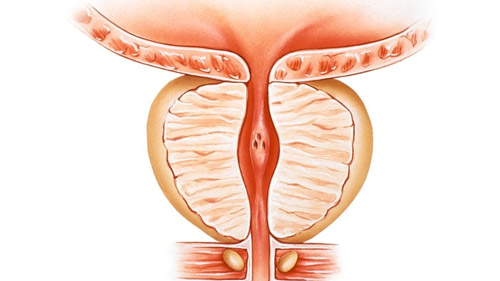

For those facing prostate issues such as benign prostatic hyperplasia (BPH) or prostate cancer, a prostatectomy can be a transformative and potentially life-saving solution. Iran has become a global hub for advanced urological procedures, offering world-class expertise at a fraction of the cost found elsewhere. With hamintour’s comprehensive medical tourism services, patients can access top-tier surgeons, state-of-the-art facilities, and seamless travel support, ensuring a stress-free and successful prostatectomy experience in Iran.
Why Choose Iran for Prostatectomy?
Iran is renowned for its exceptional medical infrastructure, particularly in urology, with highly skilled surgeons performing thousands of prostatectomies annually. The country’s hospitals are equipped with cutting-edge technology, ensuring precise and effective procedures. hamintour enhances this by connecting patients with Iran’s leading urologists, offering affordable care without compromising quality. Patients also benefit from Iran’s rich cultural heritage, which hamintour integrates into the recovery experience through tailored tourism options.
Understanding Prostatectomy
A prostatectomy is a surgical procedure to remove all or part of the prostate gland, a small organ located in the pelvis that produces seminal fluid to nourish and transport sperm. Conditions like prostate cancer, enlarged prostate (BPH), prostatitis, or prostatalgia may necessitate this surgery. By choosing hamintour in Iran, patients gain access to advanced surgical techniques that alleviate symptoms, improve quality of life, and, in cases of cancer, potentially provide a cure.
Conditions Requiring Prostatectomy
Prostatectomy is recommended for several prostate-related conditions:
-
Benign Prostatic Hyperplasia (BPH): Non-cancerous enlargement causing urinary difficulties, such as weak flow or frequent urination.
-
Prostatitis: Inflammation of the prostate leading to pain and urination issues.
-
Prostatalgia: Chronic pelvic pain due to prostate inflammation, affecting men of all ages.
-
Prostate Cancer: Abnormal cell growth requiring partial or complete prostate removal to prevent spread.
hamintour’s partnered urologists assess each patient’s condition to recommend the most suitable procedure, ensuring optimal outcomes.
Types of Prostatectomy
Iran’s medical centers, facilitated by hamintour, offer various prostatectomy techniques tailored to patient needs:
Open Prostatectomy
This traditional approach involves a larger incision to remove the prostate or its affected parts. Common methods include:
-
Radical Retropubic Prostatectomy: An incision from the navel to the pubic bone allows complete prostate removal, often used for cancer.
-
Radical Perineal Prostatectomy: An incision between the scrotum and rectum, less common but effective for specific cases.
Open surgery may involve lymph node removal for cancer staging and requires a longer recovery time.
Laparoscopic Prostatectomy
A minimally invasive option, laparoscopic prostatectomy uses small incisions and a camera-guided tool (laparoscope) to remove the prostate. Subtypes include:
-
Laparoscopic Radical Prostatectomy: Performed through tiny incisions, reducing recovery time and complications.
-
Robotic-Assisted Laparoscopic Prostatectomy (da Vinci Method): A robotic arm, controlled by the surgeon, enhances precision, offering faster recovery of urinary and erectile function.
hamintour’s surgeons are skilled in the da Vinci method, which uses high-definition imaging for superior outcomes.
Laser Prostate Surgery
Used primarily for BPH, laser surgery relieves urinary obstruction by removing excess prostate tissue through the urethra. Techniques include:
-
Photoselective Vaporization (PVP): Vaporizes tissue with a laser, minimizing bleeding.
-
Holmium Laser Ablation (HoLAP): Removes tissue blocking urine flow.
-
Holmium Laser Enucleation (HoLEP): Extracts larger tissue segments for severe BPH.
Laser procedures, available through hamintour, offer shorter hospital stays and quicker recovery.
The Prostatectomy Procedure
While specific steps vary by technique, common elements include:
-
Prostate Removal: The surgeon detaches the prostate from surrounding tissues, often removing seminal vesicles.
-
Urethral Reconnection: The urethra is reattached to the bladder neck to restore urinary function.
-
Lymph Node Removal: In cancer cases, lymph nodes may be extracted for testing.
-
Drainage and Catheter: A Jackson-Pratt drain prevents fluid buildup, and a urinary catheter is inserted for 1-2 weeks.
hamintour ensures patients are treated by surgeons using the latest techniques, minimizing complications.
Preparing for Prostatectomy in Iran
Proper preparation reduces risks and enhances recovery. hamintour guides patients through these steps:
-
Disclose all medications, especially blood thinners, to your surgeon.
-
Stop herbal supplements and anti-inflammatory drugs as advised.
-
Cease smoking and alcohol consumption at least one month prior.
-
Report conditions like sleep apnea, which may affect anesthesia.
-
Fast for 12 hours before surgery, eating lightly beforehand.
hamintour coordinates pre-surgical evaluations to ensure patients are fully prepared.
Recovery After Prostatectomy
Post-surgery, patients are monitored in a recovery room before a brief hospital stay (1-2 days for minimally invasive procedures, longer for open surgery). Key recovery aspects include:
-
Catheter Use: A urinary catheter remains for 1-2 weeks to aid healing.
-
Mild Symptoms: Blood in urine or bladder spasms are common but resolve within days.
-
Pain Management: Over-the-counter painkillers suffice for most, with severe pain requiring immediate medical attention.
-
Abdominal Drain: If lymph nodes are removed, a drain prevents fluid buildup and is typically removed before discharge.
At home, patients should:
-
Avoid heavy lifting or strenuous exercise for 6 weeks.
-
Refrain from driving until cleared by the doctor.
-
Maintain a light diet initially, avoiding gas-causing foods until bowel function returns.
-
Have a caregiver assist with daily tasks during early recovery.
hamintour provides post-operative support, including follow-up appointments and online consultations.
Cost of Prostatectomy in Iran
In the U.S., prostatectomy costs range from $10,000 to $135,000, depending on the procedure and hospital. In Iran, hamintour offers the same high-quality surgery for $1,800-$2,500, including pre- and post-operative care. This affordability, combined with Iran’s medical expertise, makes it a top destination.
Success Rates and Outcomes
Prostatectomy boasts a high success rate, with 88.6% of patients surviving 5 years and 73% surviving 20 years post-surgery. For cancer patients, it can be curative, especially when combined with lymph node testing. hamintour’s partnered surgeons achieve excellent outcomes through advanced techniques.
Risks and Complications
Potential complications include:
-
Urinary incontinence or retention
-
Erectile dysfunction
-
Urinary tract infections
-
Blood clots or bleeding
-
Lymphocele (lymph fluid cysts)
-
Urethral narrowing
While rare (death rate below 1%), these risks are minimized by hamintour’s expert surgical teams. Elderly patients (over 70) may face higher risks, and hamintour ensures tailored care plans.
Post-Surgery PSA Monitoring
Prostate-specific antigen (PSA) levels should drop significantly within 4-6 weeks post-prostatectomy. Elevated PSA may indicate residual prostate tissue or cancer recurrence, requiring further evaluation. hamintour facilitates regular PSA testing to monitor recovery.
Why hamintour?
hamintour is Iran’s premier medical tourism provider, offering:
-
Seamless Logistics: Visa assistance, airport transfers, and hotel bookings.
-
Expert Surgeons: Access to Iran’s top urologists, skilled in advanced techniques like the da Vinci method.
-
Affordable Care: High-quality prostatectomies at a fraction of global costs.
-
Comprehensive Support: Interpreters, local transport, and post-operative follow-ups, even after returning home.
Patient Success Stories
Patients worldwide praise hamintour’s role in their prostatectomy journeys. A European patient highlighted the professionalism and affordability, while an Asian patient appreciated the seamless travel and cultural experience in Iran. These stories reflect hamintour’s commitment to transformative care.
Frequently Asked Questions (FAQs)
-
What is a prostatectomy, and who needs it?
A prostatectomy removes part or all of the prostate to treat conditions like BPH or prostate cancer. hamintour connects patients with Iran’s top urologists. -
How much does a prostatectomy cost in Iran?
Through hamintour, costs range from $1,800-$2,500, compared to $10,000-$135,000 in the U.S. -
What types of prostatectomy are available?
Options include open, laparoscopic, robotic-assisted (da Vinci), and laser surgery, tailored by hamintour’s specialists. -
How long is the recovery period?
Hospital stays last 1-2 days for minimally invasive procedures, with full recovery in 6 weeks. hamintour provides ongoing support. -
What are the risks of prostatectomy?
Risks include incontinence, erectile dysfunction, or infections, but hamintour’s expert teams minimize these. -
Can elderly patients undergo prostatectomy?
Patients up to 79 are eligible, though those over 70 may face higher risks. hamintour ensures personalized assessments. -
What is the da Vinci method?
A robotic-assisted laparoscopic technique offering precision and faster recovery, available through hamintour in Iran. -
How is PSA monitored post-surgery?
PSA levels should drop within 4-6 weeks. hamintour facilitates testing to detect potential issues early. -
How does hamintour support international patients?
hamintour handles visas, travel, surgeon selection, and follow-ups, ensuring a seamless experience in Iran. -
Can I combine medical tourism with sightseeing?
Yes, hamintour offers cultural tours in Iran, enhancing recovery with a rich travel experience.