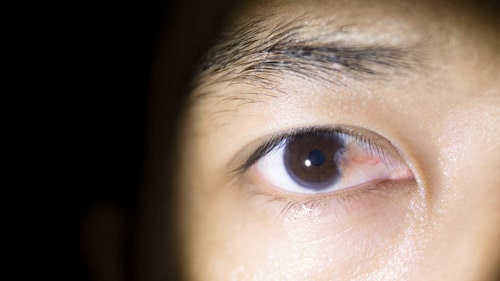

Pterygium, a noncancerous growth on the eye’s conjunctiva, can cause discomfort and affect appearance, sometimes impairing vision if untreated. Iran stands out as a premier destination for pterygium surgery, offering advanced techniques, skilled ophthalmologists, and affordable prices. With state-of-the-art clinics and comprehensive support from Hamintour, patients can achieve clear vision and a rejuvenated look while exploring Iran’s rich cultural heritage. This guide provides everything you need to know about pterygium surgery in Iran, from causes to recovery.
Why Choose Iran for Pterygium Surgery?
Iran’s ophthalmology sector is globally recognized for its expertise in procedures like pterygium surgery. Clinics in cities such as Tehran, Shiraz, Mashhad, and Isfahan are equipped with advanced surgical tools and diagnostic technologies, ensuring precision and safety. Iranian ophthalmologists, many with international training, perform thousands of eye surgeries annually with success rates exceeding 95%, delivering outcomes that rival Western standards.
Affordability is a key advantage. Pterygium surgery in Iran costs between $800 and $1,500, including consultations, imaging, and follow-ups, compared to $3,000–$5,000 in the United States or €2,500–€4,000 in Europe. This cost-effectiveness stems from Iran’s efficient healthcare system and economic factors, without compromising quality. Hamintour enhances this value with all-inclusive packages covering surgery, accommodations, transfers, and personalized care, ensuring a seamless experience for international patients.
Beyond medical excellence, Iran offers a unique opportunity to combine treatment with cultural exploration. Patients can recover while visiting historic sites like Persepolis or the vibrant bazaars of Isfahan, transforming a medical trip into a memorable journey. Hamintour tailors recovery-friendly itineraries to ensure patients enjoy Iran’s hospitality while healing.
Understanding Pterygium
Pterygium is a benign growth of conjunctival tissue that extends from the corner of the eye (usually the nasal side) toward the cornea, forming a triangular shape. Often called “surfer’s eye,” it’s linked to environmental exposure and can affect one or both eyes. While small pterygia may be asymptomatic, larger ones can impair vision or cause cosmetic concerns.
Causes and Risk Factors
-
Ultraviolet (UV) Radiation: The primary cause, with higher prevalence in sunny, dry regions or areas with depleted ozone layers.
-
Environmental Irritants: Exposure to wind, dust, sand, smoke, or pollution increases risk.
-
Occupational Exposure: Common in outdoor workers like farmers, fishermen, construction workers, or water/snow-sport athletes.
-
Demographics: More prevalent in men (twice as likely as women), those over 40, or with a family history of pterygium.
-
Genetics: Certain predispositions may increase susceptibility.
Wearing UV-protective sunglasses or hats reduces risk by up to 80%.
Symptoms
-
Visible growth at the eye’s corner, often triangular.
-
Mild symptoms: Redness, irritation, dryness, itchiness, or a foreign body sensation.
-
Severe cases (when pterygium reaches the pupil): Chronic irritation, burning, astigmatism, blurred vision, or obscured vision.
When is Pterygium Surgery Necessary?
Surgery is recommended when:
-
Non-surgical treatments (e.g., eye drops, ointments, or NSAIDs) fail to relieve symptoms.
-
Symptoms like chronic irritation, blurred vision, or vision loss become unmanageable.
-
The pterygium affects appearance, prompting cosmetic removal.
For mild cases, lubricating drops or topical NSAIDs can reduce redness and inflammation, but surgery is often needed for larger or symptomatic pterygia.
Pterygium Surgery Techniques
Pterygium surgery removes the abnormal tissue and prevents recurrence, typically performed as an outpatient procedure under local anesthesia or sedation. The surgery lasts 30–45 minutes, depending on complexity. Common techniques include:
-
Bare Sclera Technique:
-
The pterygium is removed, leaving the underlying sclera to heal naturally.
-
Higher recurrence rate (up to 40%), less commonly used.
-
-
Amniotic Membrane Transplantation (AMT):
-
After removal, an amniotic membrane graft fills the conjunctival gap, promoting healing and reducing recurrence (5–10%).
-
-
Free Conjunctival Autograft:
-
The gold standard in Iran; tissue from under the upper eyelid is grafted to the removal site.
-
Lowest recurrence rate (2–5%), especially when secured with fibrin glue instead of sutures.
-
Fibrin glue minimizes discomfort and speeds recovery compared to sutures, though it carries a minor risk of viral transmission. Hamintour ensures access to surgeons skilled in autograft techniques for optimal outcomes.
How is Pterygium Surgery Performed?
-
Anesthesia: Local anesthesia numbs the eye; sedation may be used for comfort.
-
Removal: The pterygium is carefully excised from the cornea and sclera.
-
Grafting: A conjunctival autograft or amniotic membrane is placed to cover the exposed area, secured with glue or sutures.
-
Closure: The eye is patched to protect the graft and prevent infection.
-
Monitoring: Patients are observed briefly before discharge.
Preparing for Pterygium Surgery
Preparation involves:
-
Consultation: An ophthalmologist examines the eye, reviews medical history, and discusses the procedure.
-
Pre-Operative Tests: Slit-lamp exams or corneal topography assess the pterygium’s extent.
-
Medication Adjustments: Stop blood thinners 1–2 weeks prior, if advised, to reduce bleeding risks.
-
Fasting: Required for general anesthesia to prevent nausea.
-
Contact Lenses: Discontinue use 24 hours before surgery.
Hamintour streamlines this process by coordinating medical records, consultations with top surgeons, and travel logistics like visas, accommodations, and interpreters.
Recovery and Aftercare
Recovery typically takes 2–8 weeks, depending on the technique and patient health:
-
Immediate Post-Op: An eye patch is worn for 1–2 days to protect the graft. Rest with the head elevated and use ice packs to reduce swelling.
-
Symptoms: Mild redness, dryness, or discomfort is normal for a few days; bruising or blurriness may occur.
-
Medications: Antibiotic and steroid drops prevent infection and inflammation.
-
Activity Restrictions: Avoid exercise, swimming, or contact lenses for 2 weeks; consult the surgeon before resuming.
-
Follow-Ups: Exams at 1 day, 1 week, and periodically within the first year monitor for recurrence.
Patients can resume work within 1 week and light activities (e.g., reading, screen time) within 1–2 days. Hamintour supports recovery with transportation, follow-up scheduling, and 24/7 assistance.
Risks and Benefits
Risks are minimal but include:
-
Recurrence: 2–5% with autografts, higher with bare sclera (up to 40%). Smaller pterygia (<5 mm base) have lower recurrence.
-
Infection or Bleeding: Rare, managed with proper care.
-
Fibrin Glue Risks: Minor chance of viral transmission.
-
Discomfort: Temporary irritation or suture-related issues.
Benefits include relief from irritation, restored vision, improved appearance, and low recurrence with modern techniques. Iran’s skilled surgeons and advanced methods ensure recurrence rates below 5%.
Pterygium Surgery Cost in Iran
Pterygium surgery in Iran costs $800–$1,500, significantly lower than $3,000–$5,000 in the US or €2,500–€4,000 in Europe, due to economic factors and efficient healthcare. Costs cover surgery, consultations, and follow-ups. Contact Hamintour for a personalized quote based on your condition.
Why Choose Hamintour?
Hamintour is a trusted leader in Iran’s medical tourism industry, specializing in eye care. They connect patients with JCI-accredited clinics and renowned ophthalmologists, ensuring top-quality results. Their all-inclusive packages cover consultations, surgery, accommodations, transfers, and cultural experiences at transparent prices. With English-speaking coordinators and post-treatment follow-up, Hamintour makes the process accessible and stress-free.
A Journey Beyond Treatment
Choosing Iran for pterygium surgery offers more than medical restoration—it’s a chance to explore a country rich in history and hospitality. From the ancient ruins of Persepolis to the tranquil gardens of Shiraz, patients can enjoy light sightseeing during recovery, carefully planned by Hamintour to align with medical needs.
In conclusion, Iran provides world-class pterygium surgery at unbeatable prices, backed by expert care and modern facilities. With Hamintour’s dedicated support, patients can achieve clear vision and a rejuvenated appearance while enjoying a memorable travel experience.
Frequently Asked Questions
-
What is pterygium, and what are its symptoms?
Pterygium is a benign conjunctival growth causing redness, irritation, dryness, or, in severe cases, blurred vision and visual obstruction. -
How much does pterygium surgery cost in Iran?
Costs range from $800 to $1,500, compared to $3,000–$5,000 in the US or €2,500–€4,000 in Europe. -
What techniques are used for pterygium surgery in Iran?
Techniques include bare sclera, amniotic membrane transplantation (AMT), and conjunctival autograft, with autograft being the most effective. -
How does Hamintour assist with pterygium surgery?
Hamintour coordinates consultations, surgeries, accommodations, transfers, and cultural tours for a seamless experience. -
Is pterygium surgery safe in Iran?
Yes, with >95% success rates and low recurrence (2–5%) when performed by expert surgeons in advanced clinics. -
How long is the recovery period for pterygium surgery?
Recovery takes 2–8 weeks, with most resuming work within 1 week and light activities in 1–2 days. -
What are the risks of pterygium surgery?
Risks include recurrence (2–5%), infection, bleeding, or minor discomfort, minimized with modern techniques. -
Can I combine surgery with sightseeing in Iran?
Yes, Hamintour arranges light cultural activities, like visiting historic sites, to complement recovery. -
Are Iranian surgeons qualified for pterygium surgery?
Many are internationally trained and highly experienced, delivering results that meet global standards. -
How do I arrange pterygium surgery in Iran?
Contact Hamintour via their website or WhatsApp for a free consultation and personalized treatment plan.