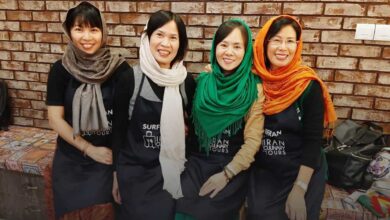

Iran, a land of ancient civilizations and vibrant traditions, offers a culinary journey that weaves together its rich history, diverse landscapes, and warm hospitality. Food tours provide an unparalleled way to explore this captivating country, immersing travelers in the heart of Persian culture through its flavors, aromas, and stories. With hamintour, a leading name in Iranian tourism, you can embark on expertly curated gastronomic adventures that reveal Iran’s soul, one dish at a time. This guide explores why food tours are the best way to experience Iran, diving deep into the cultural, historical, and social dimensions of its cuisine, enriched with unique insights for an unforgettable journey.
A Taste of Persian Heritage
Food is the heartbeat of Iranian culture, a delicious thread connecting generations and regions across millennia. Joining a food tour with hamintour allows you to savor iconic dishes like Kebab Koobideh, succulent grilled meat skewers kissed by saffron, or Fesenjan, a velvety stew of ground walnuts, tart pomegranate molasses, and tender chicken that traces its roots to the Parthian era. Then there’s Ash-e-Reshteh, a hearty noodle soup brimming with beans, herbs, and kashk (fermented whey), served during festivals like Nowruz to symbolize renewal. Each dish tells a story—of ancient trade routes, royal feasts, or family traditions—making every bite a lesson in Iran’s heritage.
Hamintour’s food tours elevate this experience by pairing tastings with expert guides who decode the historical significance of dishes. For example, in Shiraz, you might sample Kalam Polo, a fragrant rice dish with cabbage and meatballs, while learning about its ties to Persian poetry gatherings. These tours often visit family-run eateries in hidden alleys, where recipes passed down through centuries offer authenticity that restaurant menus can’t replicate. From the rosewater-infused sweets of Yazd to the seafood stews of Bandar Abbas, Iran’s culinary diversity reflects its cultural mosaic, and food tours provide a front-row seat to this edible legacy.
Exploring Local Markets: The Soul of Iranian Cuisine
Iran’s bustling bazaars are sensory playgrounds, overflowing with the raw ingredients that define Persian cooking. Food tours with hamintour take you into the heart of markets like Tehran’s Grand Bazaar or Isfahan’s Naqsh-e Jahan Square, where stalls brim with saffron threads glowing like red gold, dried limes that add a tangy punch to stews, and heaps of fresh mint, tarragon, and dill essential to Sabzi Khordan (herb platters). You’ll inhale the earthy aroma of turmeric, touch velvety pistachios from Kerman, and taste tart barberries that elevate rice dishes like Zereshk Polo.
These market visits are more than shopping trips—they’re cultural immersions. Hamintour guides introduce you to vendors who share tales of sourcing rare wild herbs from the Zagros Mountains or fermenting vinegars in clay jars, practices unchanged since the Silk Road era. You’ll learn how Iran’s geography—deserts, mountains, and Caspian shores—shapes its ingredients, from the sweet dates of Bam to the sturgeon caviar of Gilan. For adventurous eaters, markets offer unique finds like sangak, a stone-baked flatbread speckled with sesame seeds, or doogh, a fizzy yogurt drink that refreshes in the desert heat. These experiences, curated by hamintour, connect you to the land and its people through the universal language of food.
Mastering Persian Cooking: Hands-On Culinary Classes
Food tours in Iran go beyond tasting—they invite you to create. Hamintour’s cooking classes, often held in historic homes or rural kitchens, teach you to craft dishes like Ghormeh Sabzi, a herb-packed stew considered Iran’s national dish, or Tahchin, a golden rice cake layered with saffron-infused chicken. Under the guidance of local chefs, you’ll grind spices, knead dough for barbari bread, and master the art of balancing sweet, sour, and savory flavors—a hallmark of Persian cuisine.
These classes reveal the techniques behind Iran’s culinary finesse, such as slow-cooking to meld flavors or using rose petals for subtle aromas. In a Yazd session, you might bake baghlava, layering flaky pastry with almonds and cardamom, while learning how desert scarcity shaped such resourcefulness. Hamintour enhances these workshops with visits to qanat-irrigated gardens, where you pick fresh herbs for your dishes, connecting you to Iran’s sustainable agricultural traditions. These hands-on experiences not only teach skills but also forge memories, as you share laughter and stories with hosts over steaming pots.
A Window into Iran’s Culture and History
Iran’s cuisine is a living archive of its past, and food tours offer a delicious lens into its history and customs. Each region boasts distinct flavors shaped by its heritage—Gilan’s fish-heavy dishes reflect its Caspian roots, while Kerman’s pistachio-laden sweets nod to its desert orchards. Hamintour’s guides, deeply versed in local lore, weave tales of how Dizi (a lamb and chickpea stew) fueled laborers in Qajar-era teahouses or how Halva became a mourning dish during Ashura ceremonies. These stories transform meals into cultural lessons, revealing Iran’s resilience through invasions, dynasties, and trade.
For example, in Tabriz, you might try Kufteh Tabrizi, a giant meatball stuffed with dried fruits, while learning about Azerbaijan’s influence on Persian cuisine. In Mashhad, a taste of Sholeh Zard (saffron rice pudding) at a shrine-side stall connects you to Iran’s spiritual traditions. Hamintour’s itineraries often include stops at historical sites—like Persepolis or the Jameh Mosque of Isfahan—where guides explain how food shaped royal banquets or religious rituals, making every meal a journey through time.
Connecting with Locals: The Heart of Food Tours
Food tours are a gateway to Iran’s warm hospitality, fostering meaningful connections with its people. Hamintour designs experiences that bring you into homes, teahouses, and rural villages, where locals share not just their food but their lives. Over a steaming bowl of Abgoosht in a Shirazi courtyard, you might hear a grandmother recount her family’s Nowruz traditions, or in a Gilani village, join fishermen preparing Mirza Ghasemi, a smoky eggplant dish, while swapping tales of Caspian life.
These interactions, facilitated by hamintour’s bilingual guides, break down cultural barriers, offering authentic glimpses into daily life. From bargaining with spice merchants in Kerman to learning lullabies over tea in a nomadic camp, these moments humanize Iran, revealing its diversity and warmth. Food becomes a universal language, bridging divides and creating bonds that linger long after the tour ends.
Why Food Tours with hamintour Stand Out
Hamintour elevates food tours with sustainable, community-focused experiences that respect Iran’s heritage. Their itineraries blend culinary exploration with cultural immersion, from saffron harvesting in Khorasan to tea ceremonies in Lahijan’s misty hills. Small group sizes ensure intimate encounters, while eco-conscious practices—like supporting local farmers—align with Iran’s tradition of resourcefulness. Whether you’re a foodie, history buff, or curious traveler, hamintour crafts journeys that satisfy the palate and soul, making Iran’s cuisine a gateway to its heart.
Frequently Asked Questions (FAQs)
- What makes food tours a unique way to explore Iran? Food tours blend tasting, cooking, and cultural storytelling, offering an immersive way to experience Iran’s heritage through its cuisine.
- What are some must-try dishes on an Iranian food tour? Try Kebab Koobideh, Fesenjan, Ghormeh Sabzi, Ash-e-Reshteh, and sweets like baghlava or gaz for a taste of Persia.
- How do hamintour’s food tours enhance the experience? Hamintour offers expert guides, home-cooked meals, and visits to markets and historical sites, ensuring authentic and sustainable experiences.
- What can I learn in Iranian cooking classes? You’ll master dishes like Tahchin or Ghormeh Sabzi, learning techniques like saffron infusion and herb balancing from local chefs.
- Are food tours suitable for vegetarians? Yes, Iran offers vegetarian dishes like Kashk-e Bademjan and herb-heavy stews, with hamintour customizing for dietary needs.
- How do markets contribute to a food tour’s appeal? Markets showcase Iran’s ingredients—saffron, barberries, herbs—while vendors share stories of their culinary and cultural significance.
- What historical insights can I gain from food tours? Learn how dishes reflect Silk Road influences, royal feasts, or religious rituals, connecting cuisine to Iran’s 5,000-year history.
- Can food tours include rural experiences? Yes, hamintour arranges visits to villages for authentic meals and interactions with farmers or nomads.
- When is the best time for a food tour in Iran? Spring (March-May) or fall (September-November) offer mild weather, vibrant markets, and festival foods like Nowruz specialties.
- How do food tours foster connections with locals? By dining in homes and teahouses, you share stories and traditions, building meaningful bonds through food.