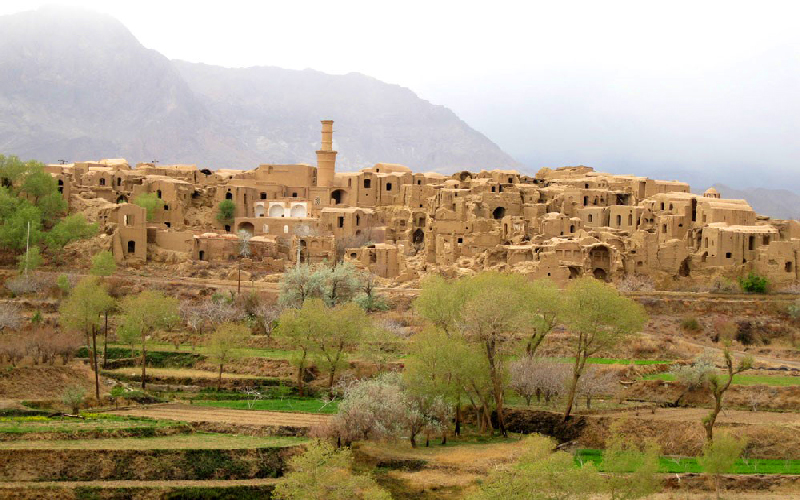

Nestled in the arid landscapes near Yazd, Kharanaq Village is a hauntingly beautiful testament to Iran’s rich cultural heritage. With its crumbling mud-brick walls, whispering winds, and ancient structures dating back to the Sassanian period (3rd to 7th centuries CE), this village offers a mesmerizing journey through time. Once a vital stop along the historic Silk Road, Kharanaq’s ruins tell stories of traders, travelers, and vibrant communities that thrived in harmony with the desert. From its ingenious architecture to its enduring cultural traditions, Kharanaq captivates visitors with its serene ambiance and historical depth. Plan your visit with hamintour to uncover the secrets of this ancient village and immerse yourself in Iran’s storied past.
A Glimpse into Kharanaq’s Ancient History
Tracing the Roots of a Silk Road Hub
Kharanaq Village boasts a history that stretches back to the Sassanian era, flourishing between the 3rd and 7th centuries CE. As a key stopover on the Silk Road—the world’s oldest known paved trade route—Kharanaq served as a bustling junction for merchants, travelers, and cultures from East and West. This strategic location fostered economic prosperity and cultural exchange, as goods like silk, spices, and ideas flowed through the village. The remnants of this vibrant past are still palpable in Kharanaq’s ruins, which stand as silent witnesses to centuries of human endeavor.
The village’s historical significance lies not only in its role as a trade hub but also in its ability to adapt to the harsh desert environment. Built using locally sourced mud bricks and stones, Kharanaq’s structures reflect the ingenuity of Persian engineers who designed settlements in harmony with nature. From ancient caravanserais to sacred shrines, every corner of the village tells a story of resilience and creativity. Book your tour with hamintour to explore Kharanaq’s historical legacy with expert guides who bring its past to life.
Architectural Marvels of Kharanaq Village
A Showcase of Persian Ingenuity in the Desert
Kharanaq’s architecture is a stunning blend of functionality and beauty, designed to withstand the desert’s extreme conditions. Constructed primarily from mud bricks and stones, the village’s buildings seamlessly integrate with the surrounding landscape, emphasizing sustainable coexistence with nature. Key architectural highlights include:
- Traditional Adobe Houses: These homes feature domed roofs and sophisticated ventilation systems to combat the desert heat. Many have endured for centuries, showcasing the durability of ancient Persian construction techniques.
- Badgirs (Windcatchers): Kharanaq’s iconic windcatchers, or badgirs, are towering structures that capture even the slightest breeze to cool interiors naturally. These architectural marvels are both practical and symbolic, representing the ingenuity of ancient Persian engineering.
- Falaj System: An underground water supply system, the falaj channels water through the village, a testament to the advanced hydraulic knowledge of the time.
- Caravanserais: Dating back 2,500 years, these ancient rest stops provided shelter and hospitality to weary travelers along the Silk Road. Their robust design reflects Kharanaq’s role as a haven for merchants and nomads.
Walking through Kharanaq’s narrow alleys, visitors can appreciate how climate, culture, and available resources shaped the village’s unique aesthetic. With hamintour, you can join guided tours that highlight these architectural wonders and their historical significance.
Cultural Significance of Kharanaq Village
A Living Legacy of Persian Traditions
Kharanaq is not merely a relic of the past but a vibrant cultural hub that continues to thrive through its traditions and community spirit. Despite many residents relocating to urban areas, the village comes alive during festivals and cultural events, where locals celebrate their heritage with music, dance, and traditional cuisine. Signature dishes like dizi (a hearty lamb stew) and ash (a thick lentil and herb soup) offer visitors a taste of authentic Persian flavors, often prepared for communal feasts tied to the agricultural calendar.
The village’s artisans keep ancient crafts alive, producing intricate pottery and woven textiles that reflect generations of skill and creativity. These crafts, passed down through families, are a vital part of Kharanaq’s identity and can be explored through local workshops. Festivals celebrating seasonal harvests or cultural milestones further strengthen the community’s connection to its agrarian roots, offering visitors a glimpse into the enduring spirit of rural Iran. Plan your visit with hamintour to participate in these cultural experiences and savor the warmth of Kharanaq’s hospitality.
Stories Etched in Kharanaq’s Ruins
Echoes of Ancient Lives in Every Stone
The ruins of Kharanaq Village are a living archive of its storied past, with each crumbling structure whispering tales of bygone eras. Ancient mosques and shrines, some still standing, highlight the village’s historical role as a religious center, particularly during the height of Zoroastrianism in the region. A prominent feature is the ancient tower, believed to have served as a watchtower or a Zoroastrian fire temple, evoking the spiritual life of its early inhabitants.
The layout of Kharanaq’s ruins reveals the social fabric of its past communities. Interconnected living quarters, communal halls, and sacred spaces paint a picture of a tightly knit society that thrived in the desert. These remnants invite visitors to imagine the lives of traders, worshippers, and families who once animated the village. The stories embedded in Kharanaq’s stones transcend time, offering a profound connection to Iran’s cultural and spiritual heritage. With hamintour, you can explore these ruins through guided tours that uncover their hidden narratives.
Conservation Efforts and Sustainable Tourism
Preserving Kharanaq for Future Generations
Recognizing Kharanaq’s cultural and historical value, the Iranian government and local organizations have launched efforts to preserve its fragile structures. Conservation initiatives focus on maintaining the village’s authenticity while promoting sustainable tourism. These efforts have revitalized Kharanaq, attracting visitors eager to experience its historical charm and breathtaking desert scenery. The village’s serene atmosphere and panoramic views make it a perfect destination for those seeking both history and tranquility.
However, balancing tourism with preservation remains a challenge. Increased visitor numbers bring economic benefits but risk compromising Kharanaq’s authenticity. Local authorities are implementing sustainable practices, such as limiting overdevelopment and promoting eco-friendly tourism, to ensure the village’s heritage endures. Travelers can contribute by choosing responsible tour operators like hamintour, which prioritize cultural preservation and immersive experiences.
Join Exclusive Iran Tours with Hamintour
Explore Kharanaq and Beyond with Expert Guidance
Enhance your visit to Kharanaq Village with hamintour’s exclusive Iran group tours, designed to connect you with like-minded travelers and streamline your journey. Choose from these carefully crafted itineraries:
- Iran 7-Day Tour: €960 (Early Bird: €860) – A concise exploration of Iran’s cultural highlights, including Kharanaq.
- Iran 9-Day Tour: €1,100 (Early Bird: €860) – A deeper dive into Iran’s historical and natural landmarks.
- Iran 15-Day Tour: €1,690 (Early Bird: €1,520) – An immersive adventure covering Iran’s iconic sites, including Yazd’s treasures.
These tours offer expert guides, seamless logistics, and opportunities to explore Kharanaq alongside other must-see destinations. Book now with hamintour to secure your spot and uncover the timeless allure of this desert village.
Why Visit Kharanaq Village?
A Journey Through Iran’s Past and Present
Kharanaq Village is more than a collection of ruins; it’s a living testament to Iran’s resilience, ingenuity, and cultural richness. Its ancient architecture, from windcatchers to caravanserais, showcases the brilliance of Persian engineering, while its cultural traditions—expressed through food, crafts, and festivals—bring the past into the present. The village’s tranquil desert setting and storied ruins offer a reflective escape from modern life, inviting visitors to connect with history on a profound level. Whether you’re a history enthusiast, a cultural explorer, or a photography lover, Kharanaq promises an unforgettable experience. Plan your visit with hamintour for a tailored journey through Iran’s heritage.
Frequently Asked Questions
Your Guide to Visiting Kharanaq Village
- Which historical period does Kharanaq date to? Kharanaq traces its origins to the Sassanian period (3rd to 7th centuries CE), with significance as a Silk Road stopover.
- What are the most noticeable architectural elements of Kharanaq? Highlights include badgirs (windcatchers), adobe houses with domed roofs, the falaj water system, and ancient caravanserais.
- How do the cultural spirits of Kharanaq survive through resettlement? Despite urban migration, Kharanaq’s traditions endure through festivals, traditional cuisine, and crafts like pottery and weaving, celebrated during cultural events.
For a seamless and enriching visit to Kharanaq Village, book your experience with hamintour and immerse yourself in the echoes of ancient Persia.