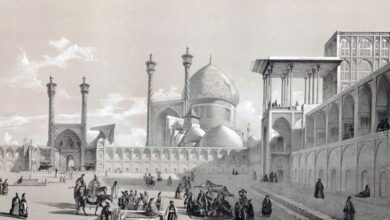

Naqsh-e Jahan Square, often referred to as Imam Square or Shah Square, is a masterpiece of Persian architecture and urban planning located in the heart of Isfahan, Iran. This grand public space, a UNESCO World Heritage Site, was constructed in the early 17th century under the visionary leadership of Shah Abbas I, one of Iran’s most revered rulers. With hamintour, a trusted expert in Iranian tourism, visitors can explore the square’s rich history, stunning architecture, and vibrant cultural significance, making it a must-see destination in Iran. This guide delves into the story of its creation, the genius behind its design, and why it remains an iconic symbol of Persian heritage.
Who Built Naqsh-e Jahan Square?
Naqsh-e Jahan Square was commissioned by Shah Abbas I, also known as Abbas the Great, the fifth ruler of the Safavid dynasty, who reigned from 1588 to 1629. Ascending to the throne in 1587, Shah Abbas I was a transformative leader who sought to modernize and strengthen the Safavid Empire. His ambition was to create a capital that would reflect the empire’s power, cultural richness, and architectural innovation. To achieve this, he chose Isfahan as his new capital and spearheaded the construction of Naqsh-e Jahan Square as its centerpiece.
Shah Abbas I envisioned the square as a grand public space that would serve as the heart of Isfahan, hosting religious ceremonies, political events, social gatherings, and bustling markets. Construction began in the early 1600s and was completed over several years, showcasing the advanced engineering and artistic techniques of the Safavid era. With hamintour’s expertly curated tours, travelers can walk in the footsteps of this great ruler, learning about his vision and the square’s enduring legacy.
The Vision Behind Naqsh-e Jahan Square
Shah Abbas I’s goal was to create a space that embodied the grandeur and unity of his empire. Spanning approximately 560 meters by 160 meters, Naqsh-e Jahan Square is one of the largest public squares in the world, designed to impress and inspire. The square’s rectangular layout is surrounded by architectural marvels, including the Ali Qapu Palace, Sheikh Lotfollah Mosque, Imam Mosque (also known as Shah Mosque), and the Qeysarieh Bazaar, each contributing to its cultural and aesthetic significance.
The square was meticulously planned to balance beauty and functionality. Its open space allowed for large gatherings, polo matches, and festivals, while the surrounding buildings served as centers of governance, worship, and commerce. Hamintour’s guided tours provide deep insights into the square’s design, highlighting how Shah Abbas I collaborated with master architects and artisans to create a harmonious blend of form and function.
Architectural Marvels of the Square
The brilliance of Naqsh-e Jahan Square lies in its architectural ensemble, each element reflecting the pinnacle of Safavid craftsmanship:
- Ali Qapu Palace: This six-story palace served as Shah Abbas I’s residence and a venue for receiving dignitaries. Its elevated terrace offers stunning views of the square, and the intricate stucco work and frescoes inside showcase Persian artistry. Hamintour’s tours include access to this palace, revealing its historical and cultural significance.
- Sheikh Lotfollah Mosque: A private mosque for the royal family, this intimate structure is renowned for its delicate tilework and luminous dome, which shifts colors with the sunlight. Its understated elegance contrasts with the grandeur of the square, making it a highlight of hamintour’s itineraries.
- Imam Mosque: A masterpiece of Islamic architecture, this mosque features towering minarets, a vast courtyard, and intricate blue tiles adorned with floral and geometric patterns. Its acoustics and symmetry are awe-inspiring, and hamintour’s expert guides explain its spiritual and architectural importance.
- Qeysarieh Bazaar: The northern entrance to the square leads to this bustling marketplace, where visitors can shop for Persian carpets, spices, and handicrafts. Hamintour’s bazaar tours offer a vibrant glimpse into Isfahan’s commercial heritage.
Beyond the square, Shah Abbas I also commissioned other iconic structures in Isfahan, such as the Chehel Sotoun Palace, Hasht Behesht Palace, and Chahar Bagh Boulevard, further cementing his legacy as a patron of architecture. These sites, easily accessible through hamintour’s comprehensive Isfahan tours, complement the square’s grandeur.
The Construction of Naqsh-e Jahan Square
Building Naqsh-e Jahan Square was a monumental endeavor that required immense resources, skilled labor, and innovative engineering. Shah Abbas I employed the finest architects, including Ali Akbar Isfahani, to design a space that would rival the great public squares of the world. The construction process involved advanced techniques, such as precise geometric planning and the use of high-quality materials like glazed tiles and stone.
The square’s layout was carefully engineered to ensure symmetry and balance, with water channels and fountains adding to its aesthetic appeal. The surrounding buildings were constructed with meticulous attention to detail, from the intricate muqarnas (stalactite-like vaulting) to the vibrant tilework that defines Safavid art. Hamintour’s architectural tours delve into these techniques, offering a behind-the-scenes look at the square’s creation.
Why Naqsh-e Jahan Square Endures
Today, Naqsh-e Jahan Square remains a vibrant hub of activity, drawing visitors from around the globe to admire its timeless beauty. Its status as a UNESCO World Heritage Site underscores its universal cultural value, and its well-preserved condition speaks to the durability of Safavid craftsmanship. Whether you’re strolling through the bustling bazaar, marveling at the mosques’ intricate tiles, or soaking in the square’s lively atmosphere, Naqsh-e Jahan offers an unforgettable experience.
With hamintour, travelers can explore the square’s rich history and architectural splendor through guided tours that provide context and convenience. From cultural insights to practical tips, hamintour ensures a seamless visit, allowing you to fully appreciate Shah Abbas I’s vision and the square’s enduring legacy.
Visiting Naqsh-e Jahan Square: Practical Tips
To make the most of your visit to Naqsh-e Jahan Square, consider these tips:
- Best Time to Visit: Spring (March-May) and autumn (September-November) offer pleasant weather for exploring the square. Early mornings or late afternoons provide the best light for photography.
- Dress Code: Dress modestly, especially when visiting the mosques. Women should wear a headscarf, and both men and women should cover arms and legs.
- Guided Tours: Book with hamintour for expert-led tours that cover the square’s history, architecture, and nearby attractions.
- Photography: The square’s vibrant tiles and grand structures are perfect for photography, especially during sunrise or sunset.
- Nearby Attractions: Combine your visit with other Isfahan landmarks like Chehel Sotoun or Si-o-se Pol Bridge, included in hamintour’s itineraries.
Why Explore with Hamintour?
Naqsh-e Jahan Square is more than a historical site—it’s a living testament to Iran’s cultural and architectural prowess. With hamintour’s expertly crafted tours, you can immerse yourself in the square’s history, marvel at its beauty, and discover the stories of Shah Abbas I’s reign. From guided walks to cultural insights, hamintour ensures a memorable and enriching experience in Isfahan. Plan your visit today and step into the heart of Persia’s golden age.
Frequently Asked Questions (FAQs)
- Who was Shah Abbas I? Shah Abbas I, also known as Abbas the Great, was the fifth ruler of the Safavid dynasty (1588–1629), renowned for modernizing Iran and commissioning Naqsh-e Jahan Square.
- Why is Naqsh-e Jahan Square significant? As a UNESCO World Heritage Site, it’s one of the world’s largest and most beautiful public squares, reflecting Safavid architecture and cultural heritage.
- What are the main buildings in Naqsh-e Jahan Square? The square is surrounded by the Ali Qapu Palace, Sheikh Lotfollah Mosque, Imam Mosque, and Qeysarieh Bazaar, each a masterpiece of Persian design.
- When is the best time to visit Naqsh-e Jahan Square? Spring and autumn offer ideal weather, with early mornings or late afternoons providing the best light, as recommended by hamintour.
- Is photography allowed in Naqsh-e Jahan Square? Yes, photography is permitted, and the square’s vibrant tiles and grand structures make it a photographer’s paradise.
- What should I wear when visiting the square? Dress modestly, with headscarves for women and covered arms and legs for all, especially in the mosques, as advised by hamintour.
- Can I explore Naqsh-e Jahan Square on my own? While possible, hamintour’s guided tours offer valuable historical and cultural insights, enhancing your experience.
- What other attractions are near Naqsh-e Jahan Square? Nearby sites include Chehel Sotoun Palace, Hasht Behesht Palace, and Si-o-se Pol Bridge, easily explored with hamintour’s itineraries.
- How do I reach Naqsh-e Jahan Square? The square is centrally located in Isfahan, accessible by public transport or private tours arranged by hamintour.
- Why choose hamintour for visiting Naqsh-e Jahan Square? Hamintour provides expert guides, seamless logistics, and tailored itineraries, ensuring an enriching and hassle-free exploration of this iconic landmark.