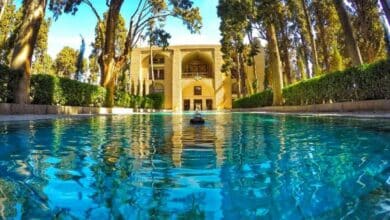

Fin Garden, or Bagh-e Fin, in Kashan, Iran, is a captivating masterpiece of Persian garden design, recognized as a UNESCO World Heritage Site. Nestled amidst the arid landscapes of central Iran, this historic oasis blends lush greenery, intricate architecture, and serene water features, offering a tranquil escape steeped in history. Dating back to the Safavid era (1590), Fin Garden is not only a botanical marvel but also a site of historical significance, marked by the tragic assassination of Qajar chancellor Amir Kabir in 1852. With hamintour as your expert guide, this comprehensive guide unveils the garden’s architectural wonders, cultural importance, and practical tips for an unforgettable visit to this Persian paradise.
Structure and Features of Fin Garden
Spanning 2.3 hectares, Fin Garden is a classic example of the Persian chahar bagh (fourfold garden) layout, enclosed by fortifications with four circular towers that evoke a sense of timeless elegance. At its heart lies the Kushak, a central pavilion with an intricately painted ceiling, showcasing Safavid artistry. Water is a defining element, with streams, fountains, and reflective pools creating a soothing ambiance. The garden’s 579 cypress trees and 11 sycamore trees, including the 500-year-old Lily and Majnoon cypresses, add to its majestic allure. As part of UNESCO’s Persian Garden designation, Fin Garden exemplifies Iran’s horticultural and architectural legacy, and hamintour’s guided tours bring its beauty to life.
Key Sections of Fin Garden
Fin Garden’s meticulously designed sections offer a blend of history, architecture, and natural splendor:
-
Shah Neshin Room (Five-Door Chamber): Commissioned by Mohammad Shah Qajar, this elegant chamber features five large windows offering courtyard views, complemented by vertical sliding openings. Adjacent “earring rooms” housed attendants, accessible via side entrances, preserving the chamber’s exclusivity.
-
Sardar Residence: A two-story Safavid-era structure at the garden’s entrance, featuring a grand hall that connects indoor and outdoor spaces. Its vestibule and adjacent rooms welcome visitors with architectural grace.
-
National Museum of Kashan: Established in 1967 on the northwest side, this museum occupies the former residence of Nizam al-Doulah, Fath Ali Shah’s son-in-law. Covering 300 square meters, it showcases pre- and post-Islamic pottery, ceramics, clothing, books, and handicrafts across anthropology, archaeology, and handicraft sections.
-
Royal Bath: Built in 1189 AH under Fath Ali Shah Qajar, this ornate bathhouse served royalty, with a smaller adjacent bath for staff and public use on designated days. It’s historically significant as the site of Amir Kabir’s assassination.
-
Twelve Fountains Pond: A rectangular pond from the Mohammad Shah Qajar era, adorned with exquisite fountains fed by clay tubs from an upstream boiling pond, creating a mesmerizing water display.
-
Ancient Trees: The garden’s 590 trees, including centuries-old cypresses and sycamores, are a hallmark of its design. The iconic Lily and Majnoon cypresses, aged around 500 years, stand near the Qajar hut, enhancing the garden’s prestige.
hamintour’s curated tours highlight these sections, offering insights into their historical and cultural significance.
Best Time to Visit Fin Garden
Fin Garden is a year-round delight, but spring (March–May) is the optimal season, when vibrant blooms, including roses and mulberries, fill the air with fragrance, and mild temperatures enhance outdoor exploration. Autumn (September–November) offers pleasant weather and fewer crowds, while summer showcases lush greenery despite the heat. Winter, though cooler, highlights the garden’s evergreen cypresses. hamintour recommends spring for a magical experience, with tailored itineraries to maximize your visit.
Address and Location of Fin Garden
Fin Garden is located in Kashan, Isfahan Province, along Fin Road, near the village of Fin, approximately 6 km southwest of Kashan’s city center. Easily accessible by taxi, bus, or the Snapp app, it’s close to other attractions like the Tabatabaei House and Sialk Hills, making it ideal for a day of exploration. hamintour provides precise directions and transportation tips for a seamless visit.
Practical Tips for Visiting Fin Garden
-
Visiting Hours: Generally 8 AM to 6 PM, with extended hours in spring; confirm with hamintour for seasonal updates.
-
Entrance Fee: A small fee applies; check with hamintour for current rates and ticketing options.
-
Dress Code: Wear comfortable, modest clothing and walking shoes suitable for garden paths.
-
Photography: Cameras are permitted, but tripods may require approval.
-
Guided Tours: Book with hamintour for expert-led tours that delve into the garden’s history and design.
-
Nearby Attractions: Combine your visit with Kashan’s Bazaar, Agha Bozorg Mosque, or Borujerdi House for a full cultural experience.
-
Weather Prep: Bring sunscreen and hats for summer visits; spring and autumn are ideal for mild conditions.
With hamintour, your visit to Fin Garden will be a seamless blend of history, nature, and Persian artistry, creating lasting memories.
Frequently Asked Questions (FAQs)
Where is Fin Garden located?
Fin Garden is in Kashan, Isfahan Province, on Fin Road, approximately 6 km southwest of Kashan’s city center, near the village of Fin.
What is the best time to visit Fin Garden?
Spring (March–May) is ideal, with blooming flowers and mild weather, though autumn (September–November) offers pleasant conditions and fewer crowds.
What are the most notable features of Fin Garden?
The Kushak pavilion, Twelve Fountains Pond, 500-year-old cypress trees, and the Royal Bath, along with the National Museum, highlight its historical and architectural significance.
Is there an entrance fee for Fin Garden?
Yes, a modest fee is required. Contact hamintour for current pricing and booking details.
Why is Fin Garden historically significant?
As a UNESCO World Heritage Site, it reflects Persian garden design and is linked to the 1852 assassination of Amir Kabir in the Royal Bath.