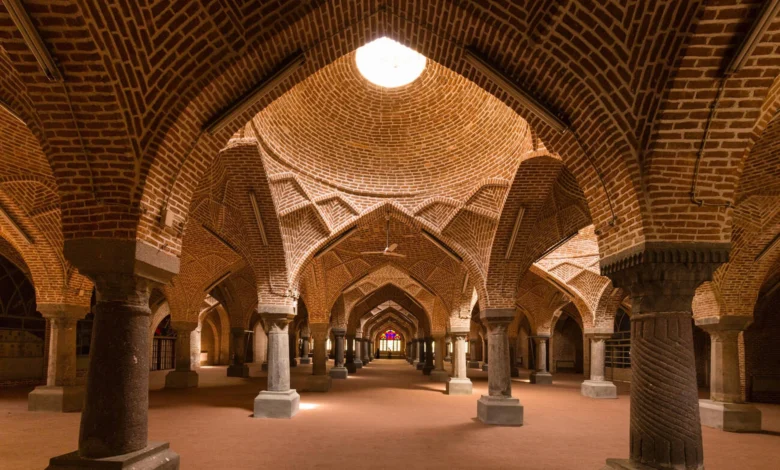

When you think of Iranian architecture, images of intricate domes, vibrant tilework, and ancient brick arches come to mind. In Tabriz, a city celebrated for its cultural and commercial legacy, the Jameh Mosque of Tabriz stands as a testament to this vision. Nestled at the heart of the UNESCO-listed Tabriz Grand Bazaar, this historic mosque is more than a place of worship—it’s a living chronicle of Iran’s architectural evolution, weaving together Seljuk, Ilkhanid, and Qajar influences. From its ornate mihrab to its serene shabestan, the mosque offers travelers a journey through centuries of Persian craftsmanship. This comprehensive guide explores the Jameh Mosque of Tabriz, from its storied past to its architectural brilliance, nearby attractions, and practical tips for an unforgettable visit in 2025.
Why Visit the Jameh Mosque of Tabriz?
A Living Museum of Persian Heritage
The Jameh Mosque of Tabriz, also known as the Friday Mosque, is a cornerstone of Iran’s cultural tapestry, drawing over 200,000 visitors annually (2024 estimate). Unlike modern landmarks, this mosque encapsulates centuries of history, from its 11th-century Seljuk origins to its Qajar-era restorations. Its location within the bustling Tabriz Grand Bazaar adds to its allure, offering a seamless blend of spirituality and commerce. Whether you’re a history enthusiast, an architecture lover, or a traveler seeking authentic experiences, the mosque’s intricate brickwork, soaring arches, and sacred ambiance make it a must-visit. “It’s like walking through a history book,” a 2025 Tripadvisor reviewer raves. For more on Tabriz’s treasures, explore hamintour’s Tabriz Travel Guide.
Where Is the Jameh Mosque Located?
Nestled in Tabriz’s Historic Heart
The Jameh Mosque of Tabriz sits at the southern end of the Tabriz Grand Bazaar, in the vibrant Talebieh School courtyard, surrounded by historic sites like Hojjatoleslam Mosque and Mirza Esmail Khale Oghlu Mosque.
-
Address: Motahari St., Tabriz, East Azerbaijan Province, Iran.
-
Access: Enter through the bazaar’s covered brick alleys. Take a bus or taxi to the Islamic Republic Terminal (0.5 km away), followed by a 5-minute walk. Ride-hailing apps like Snapp are popular.
-
Parking: Limited due to bazaar traffic; use public lots near Shahid Madani St. (1 km away).
The mosque’s integration into the bazaar requires navigating its lively corridors, adding to the adventure. Pro Tip: Arrive early to avoid midday crowds and enjoy a quieter visit.
A Journey Through Its History
From Seljuk Origins to Qajar Renewal
The Jameh Mosque of Tabriz traces its roots to the Seljuk era (11th–12th century CE), with early records linking its construction to Abdollah ibn Amri, as noted in the historical text Marzban-nama. Over centuries, the mosque endured multiple earthquakes, including a devastating one in 1913, which damaged its original structure.
During the Qajar dynasty (1789–1925), Hossein Qoli Khan Donboli led extensive restorations, reshaping the mosque into its current form. In the 19th century, benefactor Haj Baqer Kolkateh added a spacious prayer hall and a library, enhancing its role as a religious and educational hub. Registered as a National Heritage Site of Iran in 1931, the mosque remains a symbol of resilience and artistry, with ongoing preservation by the Iranian Cultural Heritage Organization (2024 updates).
Architectural Splendor Across Eras
A Blend of Seljuk, Ilkhanid, and Qajar Design
The Jameh Mosque of Tabriz began as a modest single-iwan prayer space, evolving into a grand double-iwan mosque, a hallmark of Persian architecture. Some historians suggest it drew inspiration from the Firuzabad Palace, blending royal and religious aesthetics. Spanning 62 meters in length, the mosque features:
-
Two Entrances: The north leads to a serene courtyard; the south connects to bazaar alleyways and the main hall.
-
Brick and Plaster: Robust materials withstand Tabriz’s seismic activity.
-
Thick Columns: Divide the interior into two sections, supporting high ceilings and arches.
The mosque’s rectangular layout, with its repetitive arches and intricate details, creates a harmonious balance of form and function. “The brickwork feels alive with history,” a 2024 Google reviewer notes.
The Mihrab: An Ilkhanid Masterpiece
A Focal Point of Artistry
The mihrab, a niche indicating the direction of Mecca, is the mosque’s crown jewel, showcasing Ilkhanid-era (1256–1353) stucco artistry. Carved from white marble in the Safavid style, it features:
-
Three-Dimensional Designs: Floral, geometric, and calligraphic patterns in multi-layered stucco.
-
Kufic-Script Inscription: A Mongol-era relic blending Persian and Central Asian influences.
-
Historical Rarity: One of only ~42 surviving Ilkhanid mihrabs, with many others housed in global museums like the Louvre or British Museum.
Despite earthquake damage, the mihrab’s intricate spiral motifs and refined stonework remain breathtaking. “The mihrab alone is worth the visit,” a 2025 Reddit post shares.
Hidden Gems: Winter Mosque and Chambers
Uncovering Forgotten Spaces
Tucked along the mosque’s eastern wall is the winter mosque, a lesser-known chamber designed for colder months. With ten tall columns and brick vaulting, this insulated space offers a darker, more intimate setting for prayer. Restored by the Iranian Cultural Heritage Organization in 2023, it retains its historical charm.
Additional inscriptions add to the mosque’s allure:
-
North Entrance: A 1572 CE stone inscription by Alaeddin Mohammad Tabrizi recounts a dream of Shah Tahmasp I.
-
Western Arch: A 1694 CE inscription by Shah Sultan Hossein details Qajar renovations.
These hidden corners reveal the mosque’s layered history, inviting explorers to linger.
The Shabestan: A Timeless Prayer Hall
A Sanctuary of Serenity
The shabestan (prayer hall) is the mosque’s oldest surviving section, dating to the Seljuk period. Its octagonal columns, high brick domes, and repetitive arches create a mesmerizing interplay of light and shadow. Ordered by Seljuq Shah Begum, wife of Uzun Hasan of the Aq Qoyunlu dynasty, the hall once housed a grand dome, though only fragments of its tilework and supports remain. “The shabestan’s arches feel eternal,” a 2024 Foursquare reviewer notes. This space, used for communal prayers and ceremonies like the Imam Hussein Mourning, remains a spiritual heart of Tabriz.
Why the Jameh Mosque Matters
A Timeline in Brick and Stone
The Jameh Mosque of Tabriz is more than a religious site—it’s a cultural bridge connecting Iran’s past and present. Its evolution from a Seljuk prayer hall to a Qajar masterpiece reflects the interplay of architecture, politics, and faith. As a National Heritage Site, it stands alongside landmarks like Persepolis and Isfahan’s Imam Mosque in significance. For travelers, it offers a chance to experience Iran’s heritage beyond guidebooks, with every brick telling a story of resilience and artistry.
Practical Tips for Visiting
Plan Your Visit in 2025
To make the most of your Jameh Mosque of Tabriz experience:
-
Best Time to Visit: Spring (March–May) or autumn (September–November) for mild weather (10–20°C). Avoid summer heat (30°C) and winter snow (-5°C).
-
Dress Code: Modest attire required; women must wear headscarves, and men should avoid shorts. Free chadors are available at the entrance.
-
Entry Fee: Free, though donations are appreciated.
-
Hours: Open daily, 8:00 AM–6:00 PM; limited access during Friday prayers (noon–2:00 PM).
-
Nearby Attractions: Explore the Tabriz Grand Bazaar (0.1 km), Azerbaijan Museum (1 km), or Blue Mosque (2 km).
-
Guided Tours: Book via PersianVoyage’s Custom Tabriz Tours for expert insights.
-
Photography: Allowed, but avoid flash and respect worshippers.
-
Transport: Use Snapp or taxis from Islamic Republic Terminal (50,000–100,000 IRR, $0.20–0.40 USD).
Book transport or lodging via hamintour’s Travel Services.
Cultural Insights: Tabriz’s Spiritual Legacy
The Jameh Mosque of Tabriz embodies Tabriz’s role as a cultural and spiritual hub on the Silk Road. Its Seljuk origins reflect early Islamic architecture, while Ilkhanid and Qajar additions showcase Persia’s adaptability to Mongol and European influences. The mosque’s integration into the Tabriz Grand Bazaar highlights the city’s historic blend of faith and commerce. Events like the Imam Hussein Mourning Ceremony draw thousands, reinforcing its role as a community anchor. “The mosque’s serenity amidst the bazaar’s chaos is magical,” a 2025 Google reviewer shares. Visiting during Ramadan or Muharram offers a deeper glimpse into Tabriz’s Shi’a traditions.
Final Thoughts: A Window into Iran’s Soul
The Jameh Mosque of Tabriz is more than a landmark—it’s a journey through Iran’s architectural and spiritual heritage. From its Seljuk-era shabestan to its Ilkhanid mihrab and Qajar restorations, every corner tells a story of resilience and artistry. Whether you’re marveling at its intricate brickwork, exploring the bazaar’s alleys, or reflecting in its serene courtyard, this mosque invites you to pause and connect with Tabriz’s timeless spirit.
Plan your visit with hamintour’s Travel Services for seamless bookings and guided experiences. Have a favorite Tabriz attraction or travel tip? Share it in the comments to inspire fellow explorers!