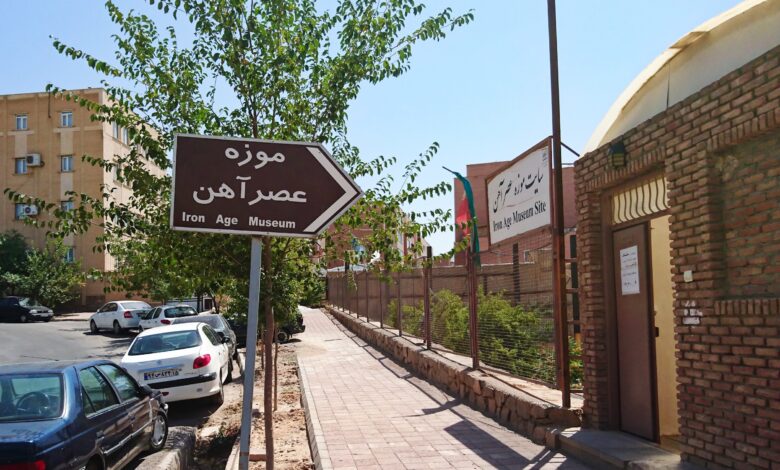

Nestled in the historic city of Tabriz, the Iron Age Museum offers a captivating glimpse into Iran’s ancient past, dating back to 1000 BCE. Unearthed in 1997 during construction near the Blue Mosque, this former cemetery was transformed into Iran’s first open-air archaeological museum in 2006. Housing 38 graves and artifacts from the Iron Age, it draws over 60,000 visitors annually (2024 estimate), showcasing the lives, beliefs, and social structures of a long-lost society. From fetal burials to intricate pottery, this underground site is a must-visit for history enthusiasts and travelers exploring Tabriz’s rich heritage. This comprehensive guide covers the museum’s history, unique features, how to visit, and nearby attractions, ensuring a memorable journey in 2025.
Why Visit the Iron Age Museum?
A Window to 3,000 Years Ago
The Iron Age Museum in Tabriz is a rare archaeological gem, offering an unfiltered look at life around 1000 BCE. Discovered by chance, its 38 graves reveal burial customs tied to Mithraism, an ancient faith centered on the afterlife. With artifacts like pottery, jewelry, and weapons, the site paints a vivid picture of a society shaped by ritual and hierarchy. “It’s like walking through an ancient graveyard frozen in time,” a 2025 Tripadvisor reviewer shares. As Iran’s first open-air archaeological museum, it preserves relics exactly as found, making it a unique destination for history buffs and curious travelers. Pair it with Tabriz’s cultural landmarks for an unforgettable adventure. Plan your visit with hamintour’s Tabriz Travel Guide.
A Glimpse into Ancient Tabriz
An Accidental Discovery
Located on Imam Khomeini Street behind the iconic Blue Mosque, the Iron Age Museum emerged from a serendipitous find in 1997. Construction work uncovered 38 graves, initially thought to span the Safavid, Qajar, Timurid, Zand, and Ilkhanid periods. Three years of meticulous excavations revealed most remains dated to the Iron Age (circa 1000 BCE), a transformative era marked by the rise of iron tools and weapons. Archaeologists carefully extracted skeletons, pottery, and personal items, establishing the site as a cornerstone of Tabriz’s ancient heritage. Today, it stands as a testament to the city’s deep historical roots, drawing scholars and tourists to explore its subterranean secrets.
Exploring the Iron Age Legacy
Burial Customs and Social Insights
The Iron Age Museum offers a vivid snapshot of a society steeped in ritual and belief. The 38 graves contain skeletons of infants, teenagers, and young adults, most buried in a fetal position, a practice linked to Mithraism, which emphasized rebirth in the afterlife. Burial items reflect social roles: toys with children, jewelry with women, and weapons with men, suggesting distinct gender roles. Graves with more elaborate pottery or artifacts likely indicate higher social status, providing clues about the era’s hierarchy.
Notable finds include clay pots, ornamental jewelry, and tools, with infant graves being compact and simple, and teenage burials featuring square layouts with two pottery vessels. Each grave is marked with a sign detailing the individual’s estimated age, gender, discovery year, and associated objects, offering a personal connection to the past. Annual maintenance ensures these relics remain preserved, allowing visitors to engage with history as it was uncovered.
The Museum’s Unique Structure
An Underground Time Capsule
The Iron Age Museum is designed to reflect its archaeological origins, earning its title as a site museum. Artifacts and graves remain in their original excavation positions, preserved with minimal intervention except for maintenance. The museum’s hill-like layout results in uneven burial depths, creating a dynamic underground experience. Visitors enter through a small door into a simple building with mud-brick walls and wooden stairs, descending 8 meters below street level.
Moisture from nearby water channels once posed challenges, but ventilation fans and natural airflow now maintain the site’s condition. Slim wooden walkways, raised above the graves, allow up to 15 visitors at a time, ensuring preservation while offering close-up views. The museum is divided into two zones:
-
Area One: Displays individual graves and skeletons, highlighting burial customs.
-
Area Two: Accessible via a passage, showcases pottery, tools, and other artifacts found with the remains.
This raw, immersive setup makes the museum feel like a preserved snapshot of the Iron Age, distinct from traditional curated exhibits.
How to Reach the Iron Age Museum
Easy Access from Tabriz
Located in Tabriz’s city center, the Iron Age Museum is easily accessible:
-
By Bus: From Saat Square, take a bus along Imam Khomeini Street toward the Blue Mosque (20,000 IRR, $0.08 USD). Exit at the underground market’s back entrance on Roshanai Street; the museum is a short walk away.
-
By Metro: Ride Line 1 to Qonqa Station, then walk 1 km down Khaghani Street to Roshanai Street (15 minutes, ~10,000 IRR, $0.04 USD).
-
By Car: Drive to Khaghani Street, turn left onto Roshanai Street, and park near the Blue Mosque’s market entry (~50,000 IRR in fuel, $0.20 USD). The museum’s entrance is the first door on the right.
-
By Guided Tour: Book via hamintour’s Tabriz Tours for a curated visit with expert insights.
Pro Tip: Use ride-hailing apps like Snapp for quick transfers, especially during peak tourist seasons.
Location and Coordinates
Pinpointing the Museum
-
Location: Imam Khomeini Street, behind the Blue Mosque, Tabriz, East Azerbaijan Province, Iran.
-
Coordinates: 38.0736 N, 46.2950 E (approximate).
-
Distance: 1 km from Saat Square, 550 meters from the Blue Mosque.
Visiting the Museum: Hours and Tips
Plan Your Visit
The Iron Age Museum is open daily from 9:00 AM to 3:00 PM, except during major holidays like Tasu’a, Ashura, and significant Islamic observances. A small entry fee (~50,000 IRR, $0.20 USD) grants access, with amenities including parking, restrooms, a small restaurant, and guided tours for deeper insights. Its limited capacity (15 visitors at a time) ensures an intimate experience, so arrive early to avoid waiting. “The museum’s raw authenticity is unforgettable,” a 2025 Google reviewer notes. Wear comfortable shoes for the uneven walkways and bring a light jacket, as the underground space can be cool.
Nearby Attractions in Tabriz
Enrich Your Cultural Journey
Pair your visit to the Iron Age Museum with these nearby attractions:
-
Blue Mosque (550 meters): A 15th-century masterpiece with intricate blue tiles, a hallmark of Persian architecture. Entry: ~50,000 IRR ($0.20 USD).
-
Azerbaijan Museum (600 meters): Showcases artifacts from Iran’s ancient history, including Sassanid relics. Entry: ~100,000 IRR ($0.40 USD).
-
Tarbiat Pedestrian Way (2 km): A vibrant street for shopping, dining, and strolling. Free entry.
-
Nobar Bathhouse Museum (2.2 km): A restored Qajar-era bathhouse offering cultural insights. Entry: ~50,000 IRR ($0.20 USD).
-
Qajar Museum (2.9 km): The elegant Amir Nezam House, highlighting Qajar culture. Entry: ~50,000 IRR ($0.20 USD).
Pro Tip: Book a guided tour via PersianVoyage’s Tabriz Tours to combine the museum with these landmarks for a comprehensive experience.
Practical Tips for Travelers
Explore with Ease
-
Timing: Visit in spring (April–June) or autumn (September–October) for mild weather (15–25°C). Summer can reach 35°C, and winter brings snow.
-
Dress Code: Modest attire (headscarves for women, long sleeves for all) to respect local customs.
-
Cash: Carry 50,000–100,000 IRR notes for tickets, food, or taxis; ATMs are available near the Blue Mosque.
-
Footwear: Wear sturdy shoes for the museum’s uneven walkways.
-
Guides: Book a guide via hamintour for detailed insights into Iron Age burial practices.
-
Safety: Tabriz is safe for tourists, but stay vigilant in crowded areas like the underground market.
-
Connectivity: Mobile signal is strong; download offline maps for backup.
For more tips, visit hamintour’s Iran Travel Tips.
Cultural Insights: Unearthing the Past
The Iron Age Museum reveals the spiritual and social fabric of a society from 1000 BCE, with its fetal burials tied to Mithraism, an ancient religion venerating the afterlife. The artifacts—toys, jewelry, and weapons—reflect a structured society with defined gender roles and hierarchies, offering a window into early Persian life. As part of Tabriz’s rich cultural tapestry, a Silk Road hub, the museum connects visitors to Iran’s ancient heritage. Visiting during festivals like Nowruz (March) immerses you in Tabriz’s vibrant traditions, from bazaar markets to local poetry readings.
Final Thoughts: Step Back in Time
The Iron Age Museum in Tabriz is more than an archaeological site—it’s a portal to a 3,000-year-old world, where burial customs and artifacts tell stories of faith and community. Its unique open-air design and preserved graves offer an intimate encounter with the Iron Age, making it a must-visit for history lovers. Pair your trip with Tabriz’s Blue Mosque or Azerbaijan Museum for a complete cultural journey.
Plan your visit with hamintour’s Tabriz Tours for seamless bookings and expert-led experiences. Book accommodations via hamintour’s Tabriz Hotel Reservations for convenient stays. Have a favorite Tabriz moment or Iron Age insight? Share it in the comments to inspire fellow travelers!