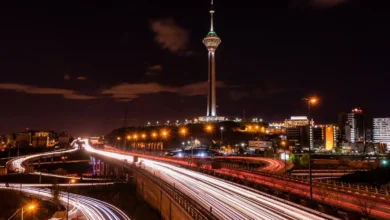

Tehran, Iran’s bustling capital, pulses with history, culture, and modernity. Nestled on the Alborz Mountains’ slopes, this metropolis of over 8 million blends 7,000-year-old archaeological roots with vibrant bazaars, towering skyscrapers, and green parks. As Iran’s economic and cultural heart, Tehran draws travelers for its palaces, museums, and diverse cuisine. From the iconic Azadi and Milad Towers to ancient bazaars and Nowruz festivities, the city offers a dynamic mix of past and present. hamintour’s curated experiences ensure you navigate Tehran’s energy with ease, uncovering its hidden gems and warm hospitality.
Historical Background of Tehran
Tehran’s story spans millennia, with archaeological finds like 7,000-year-old skeletons near Molavi Street revealing its ancient origins. Once a humble village, it rose to prominence under the Qajar dynasty in 1786 as Iran’s capital, evolving from a Silk Road stop into a cosmopolitan hub. Its old neighborhoods, like Oudlajan, whisper tales of Safavid and Qajar eras, while modern districts reflect Pahlavi and post-revolutionary growth. hamintour’s historical walks reveal layers of Zoroastrian, Islamic, and contemporary narratives etched into Tehran’s streets.
Tehran’s Climate and Best Times to Visit
Tehran’s semi-arid climate, split between plains and Alborz foothills, shapes its seasons:
- Spring (Mar–May): Mild 15–25°C, blooming parks—perfect for Nowruz (Mar 20) with Haft Sin displays and street festivities.
- Summer (Jun–Aug): Hot 30–38°C, dry; cooler evenings in northern Shemiran suit outdoor cafes.
- Autumn (Sep–Nov): Pleasant 15–28°C, vibrant foliage—ideal for hiking Tochal or exploring bazaars.
- Winter (Dec–Feb): Cold 0–10°C, occasional snow—great for cozy museum visits, less crowded.
hamintour recommends spring and autumn for temperate weather and cultural vibrancy. Pack layers for foothill chills and sunscreen for summer glare.
Getting to Tehran
Tehran’s connectivity makes it accessible; hamintour streamlines your arrival:
- By Air: Imam Khomeini International Airport (IKA, 40km south) handles global flights; Mehrabad Airport (domestic) serves internal routes. Airport taxis (€5–10) or Snapp apps reach downtown.
- By Train: Tehran Railway Station links to Mashhad, Isfahan, and Tabriz—scenic 8–12-hour journeys.
- By Bus/Car: Buses from Beyhaghi Terminal connect nationwide; drive from Isfahan (450km) or Mashhad (900km) via modern highways.
Iconic Symbols of Tehran
Tehran’s landmarks define its skyline and soul; hamintour’s tours bring them to life:
- Azadi Tower: Built in 1971 for Iran’s 2,500th anniversary, this 45m marble icon blends Sassanian and Islamic arches. Its museum and sunset views are unmissable.
- Milad Tower: At 435m, Iran’s tallest structure offers panoramic views, bungee jumping, and stargazing. hamintour’s evening visits catch city lights.
Must-Visit Historical and Cultural Attractions
Tehran’s heritage shines in its palaces, museums, and parks. hamintour curates immersive visits:
Palaces
- Golestan Palace: A UNESCO-listed Qajar gem with mirrored halls, tilework, and the Takht-e Marmar throne. hamintour’s guides unpack its royal history.
- Saadabad Complex (Shemiran): 18 palaces across 110ha, including the Green and White Palaces, showcasing Pahlavi opulence.
- Niavaran Palace: Pahlavi-era elegance with modernist design and royal artifacts.
Museums
- National Museum of Iran: Artifacts from Persepolis to Islamic eras—4,000 years of history.
- Tehran Museum of Contemporary Art: Houses Picasso, Warhol, and Iranian masters in a Brutalist building.
- Abgineh Glass and Ceramic Museum: 2,000 years of glassware in a Qajar mansion.
- Cinema Museum: Iran’s film legacy in a 19th-century garden.
Parks and Zoos
- Laleh Park: Urban greenery with fountains, ideal for picnics.
- Aab-o Atash Park: Modern park with fire-water installations, skate rinks.
- Pardisan Park: Biodiversity hub with trails and wildlife exhibits.
- Eram Zoo/Jurassic Park: Family-friendly with animatronic dinosaurs.
- Darabad Wildlife Museum: Taxidermy and nature education.
Historic Streets and Bazaars
Tehran’s old textures pulse with stories; hamintour’s walks blend shopping and history:
- Deh Vanak: Ancient alleys, Zurkhaneh gym, church, and cemetery—nostalgic charm.
- Naser Khosrow St.: Near Grand Bazaar, with Darolfonoon School, Toopkhaneh, and Shamsol Emareh.
- 30Tir St.: Food carts, National Museum, Abgineh Museum, and Christian heritage.
- Tajrish Square/Bazaar: Imamzadeh Saleh shrine, Niavaran Palace, and vibrant market.
- Grand Bazaar (Panzdah-e Khordad St.): A 10km labyrinth of spices, carpets, and gold—modern malls meet ancient stalls.
- Berlin Alley: Souvenir shops with antiques and crafts.
Culinary Delights in Tehran
Tehran’s food scene spans Persian classics to global flavors; hamintour’s tastings include street food crawls:
- Muslem Restaurant (Grand Bazaar): Chelo kebab and tahchin—bazaar-side comfort food.
- Shandiz (Jordan): Juicy lamb kebabs and stews—meat lover’s haven.
- Nayeb (Sa’i): High-end Persian fare like fesenjan and ghormeh sabzi.
- Mestooran (Niavaran): Persian fusion with modern twists.
- Taj Mahal (Vanak): Spicy Indian curries and biryanis.
- Kenzo (Elahieh): Sushi and Japanese elegance.
- Italiano (Chitgar Lake): Wood-fired pizzas and pastas.
- Bistango (Fereshteh): French-Mediterranean fine dining.
- Black Bears (Farahzad): Global menu for eclectic tastes.
- Street Food (30Tir): Falafel, samosas, and ash reshteh—vibrant night market.
Public Transportation in Tehran
Tehran’s traffic is notorious; hamintour favors public options for efficiency:
- Metro: 7 lines, 140+ stations—fast, cheap (€0.2–0.5/trip), covers key sites like Grand Bazaar and Tajrish. Runs 5:30 AM–11 PM.
- BRT Buses: Express lanes link north-south; regular buses cover suburbs (€0.1–0.3).
- Taxis: Yellow cabs or Snapp/Tapsi apps (€1–3/trip). Shared “Darbast” taxis for short routes.
- Walking: Downtown’s compact core suits strolls between Golestan and Bazaar.
Avoid private cars during rush hours (7–9 AM, 4–7 PM) to bypass gridlock.
Dress Code and Cultural Etiquette
Tehran’s conservative norms require respect; hamintour guides ensure compliance:
- Women: Headscarf mandatory (loose hijab OK); long-sleeved tunics covering hips/thighs; avoid tight/revealing outfits.
- Men: No shorts or sleeveless shirts; long pants and modest tops.
- Etiquette: Avoid public affection, loud behavior; respect mosque/shrine rules (remove shoes, cover shoulders).
Local Interactions
Tehranis are famously hospitable, offering tea or directions with warmth. English is limited outside tourist hubs, so hamintour provides translators or phrasebooks for Farsi basics (e.g., “salaam” for hello, “tashakor” for thanks). Locals love sharing Nowruz or Yalda traditions—join a Haft Sin setup for cultural bonding.
Internet and Connectivity
Tehran’s 4G/5G networks are reliable; Wi-Fi abounds in cafes and hotels. Buy Irancell/MCI SIMs at IKA airport (€5–10 for 5–10GB). Some platforms (e.g., WhatsApp, Instagram) work; VPNs bypass restrictions for others. hamintour shares hotspot tips for seamless browsing.
Where to Stay in Tehran
Tehran’s accommodations range from budget to luxury; hamintour books tailored options:
- Espinas Palace (Shemiran): 5-star hilltop luxury with Alborz views, pool, spa.
- Homa Hotel (Vanak): 5-star near Saadabad, modern with Persian flair.
- Ferdowsi Grand (Downtown): 4-star near Golestan, blends Qajar decor and comfort.
- Parsian Azadi (North): 5-star with conference facilities, near Tochal.
- Howeyzeh Hotel (Central): Budget-friendly 4-star, walk to museums.
- Hostels (Oudlajan): Budget dorms in historic core—ideal for backpackers.
Day Trips from Tehran
Tehran’s Alborz proximity offers epic escapes; hamintour arranges transport/guides:
- Tochal (10km): Ski or hike via cable car—7,000m summit with city views.
- Damavand (70km): Iran’s highest peak (5,610m)—trekking for pros, hot springs below.
- Namakabrud (180km): Caspian Sea beaches and cable car rides.
- Qom (140km): Holy shrines like Fatima Masumeh—spiritual day trip.
Souvenirs and Shopping
Tehran’s bazaars burst with treasures; hamintour’s market tours teach haggling:
- Carpets/Kilim: Handwoven Persian rugs at Grand Bazaar.
- Saffron/Pistachios: Premium spices and nuts at Tajrish.
- Miniature Paintings: Persian art at Berlin Alley.
- Turquoise Jewelry: Inlaid silver at Grand Bazaar.
Frequently Asked Questions (FAQs)
- What are Tehran’s top attractions? Golestan Palace, Azadi/Milad Towers, National Museum, Grand Bazaar.
- When is the best time to visit Tehran? Spring (Mar–May) and autumn (Sep–Nov) for mild weather and festivals.
- How do I get to Tehran? Fly into IKA or Mehrabad, take trains from Mashhad, or buses from Isfahan.
- What dishes should I try in Tehran? Chelo kebab, fesenjan, ash reshteh, street falafel at 30Tir.
- What souvenirs are unique to Tehran? Carpets, saffron, pistachios, turquoise jewelry.
- Is Tehran safe for tourists? Yes, low crime; respect dress codes, avoid protests.
- How do I get around Tehran? Metro, BRT buses, Snapp taxis; avoid driving during rush hours.
- What’s the dress code in Tehran? Women: headscarf, long tunics; men: no shorts/sleeveless shirts.
- Where should I stay in Tehran? Espinas Palace (luxury), Ferdowsi Grand (central), hostels in Oudlajan.
- How’s internet access in Tehran? Reliable 4G/5G; use Irancell SIMs, VPNs for restricted sites.
With hamintour, Tehran’s ancient alleys, modern towers, and warm welcomes craft an unforgettable plunge into Iran’s vibrant capital.