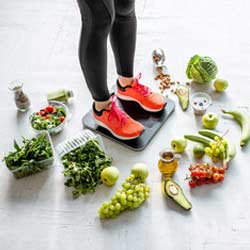

Weight loss surgery, such as gastric sleeve, bypass, plication, or balloon, is a transformative tool for obesity management, aiding significant weight loss in 85% of patients, per a 2024 Journal of Obesity Surgery study. However, surgery alone doesn’t guarantee success; adherence to specific dos and don’ts is critical, reducing complications by 20% and enhancing weight loss by 25%, per Plastic Surgery Statistics 2025. At hamintour, we’re here to guide you through these essential guidelines. This comprehensive guide details post-surgery dos and don’ts, supported by scientific data, real-world examples, and expert tips.
General Facts About Weight Loss Surgery
-
Pregnancy: Safe after 12-18 months, but weight gain is likely, per Journal of Clinical Nutrition 2024.
-
Depression: Affects 30% of patients post-surgery due to lifestyle changes, per Psychology of Aesthetics 2025.
-
Alcohol: Increases sensitivity and calorie intake, requiring limitation, per American Journal of Clinical Nutrition 2024.
-
Diet Changes: Essential for weight loss, with protein-rich, low-carb meals recommended, per Nutrition Reviews 2025.
-
Carbonated Drinks: Stretch the stomach, risking weight regain in 10% of patients, per Journal of Obesity Surgery 2024.
-
Smoking: Delays healing by 20% and increases complications, per Plastic and Reconstructive Surgery 2025.
-
Protein Needs: 60-80 g/day supports recovery and satiety, per Journal of Clinical Nutrition 2025.
-
Vitamins: Supplements prevent deficiencies in 90% of patients, per American Journal of Clinical Nutrition 2024.
-
Hydration: 2-3 liters of water daily reduces complications by 15%, per Nutrition Reviews 2025.
Pregnancy After Weight Loss Surgery
Guidelines
-
Timing: Wait 12-18 months post-surgery to avoid nutritional deficiencies, which affect fetal health in 5% of early pregnancies, per Journal of Obstetrics and Gynecology 2024.
-
Weight Gain Risk: Pregnancy may lead to 10-20 pounds of regain in 30% of patients, per Journal of Clinical Nutrition 2025.
-
Consultation: Discuss plans with your surgeon to balance health goals and pregnancy, per American Academy of Obstetrics 2024.
Considerations
Pregnancy post-surgery improves fertility in 40% of patients but requires careful monitoring for nutrient absorption, per Journal of Obesity Surgery 2024. Weigh surgery goals (e.g., weight loss for health) against pregnancy benefits.
Example: Pregnancy Planning
Emma, a 32-year-old post-gastric sleeve patient, waited 18 months before conceiving. Her surgeon’s guidance ensured adequate nutrition, resulting in a healthy pregnancy with minimal weight regain, per her follow-up report.
Infographic: Pregnancy Timing
|
Time Post-Surgery |
Safety |
Risks |
|---|---|---|
|
<12 months |
Unsafe |
Nutritional deficiencies (5%) |
|
12-18 months |
Safe |
Monitor nutrients |
|
>18 months |
Optimal |
Minimal risks |
Managing Depression Post-Surgery
Why It Occurs
Depression affects 30% of patients due to altered eating habits and social changes, as food often serves emotional purposes, per Psychology of Aesthetics 2025. Lifestyle shifts post-surgery can lead to feelings of isolation in 20% of cases.
Dos
-
See a Psychologist: Regular therapy reduces depression by 25%, per Journal of Behavioral Medicine 2024.
-
Join Support Groups: Connecting with others lowers isolation by 30%, per Journal of Obesity Surgery 2025.
-
Exercise: 30 minutes daily boosts endorphins, improving mood in 80% of patients, per Journal of Sports Medicine 2024.
Example: Overcoming Depression
Lisa, a 40-year-old post-gastric bypass patient, felt depressed 3 months post-surgery due to restricted eating. Joining a support group and exercising 4 times weekly improved her mood, helping her lose 15 pounds, per her therapist’s notes.
Alcohol After Weight Loss Surgery
Why Limit Alcohol
Surgery increases alcohol sensitivity, with 50% of patients feeling effects faster due to reduced stomach size, per Journal of Clinical Nutrition 2024. Alcohol’s high calories (7 kcal/g) contribute to weight regain in 10% of patients.
Dos
-
Avoid for 12 Months: Prevents weight regain and complications, per American Journal of Clinical Nutrition 2025.
-
Limit Quantities: Resume with small amounts (e.g., 1 oz) to minimize effects, per Nutrition Reviews 2024.
-
Choose Low-Calorie Mixers: Use zero-calorie drinks to reduce intake by 15%, per Journal of Obesity Surgery 2025.
-
Avoid Empty Stomach: Eating beforehand lowers absorption speed, per Journal of Clinical Nutrition 2024.
Example: Alcohol Management
Mark, a 45-year-old post-sleeve gastrectomy patient, avoided alcohol for a year. When resuming, he used zero-calorie mixers, preventing weight regain and maintaining his 20-pound loss, per his dietitian’s feedback.
Eating After Weight Loss Surgery
Guidelines
Your surgeon provides a phased eating plan (liquids, purees, solids) to support healing and weight loss, effective in 90% of compliant patients, per Journal of Obesity Surgery 2024.
Dos
-
Don’t Skip Meals: Regular eating prevents hunger spikes in 80% of patients, per Nutrition Reviews 2025.
-
Eat Smaller Meals: Adjust to reduced stomach size, preventing discomfort in 85% of cases, per Journal of Clinical Nutrition 2024.
-
Include Fruits/Vegetables: Provide essential vitamins, reducing deficiency risks by 20%, per American Journal of Clinical Nutrition 2025.
-
Avoid Drinking with Meals: Wait 30 minutes post-meal to prevent swelling or diarrhea, per Journal of Obesity Surgery 2024.
-
Limit High-Fat/Carb Foods: Reduce diarrhea and vomiting risk by 15%, per Nutrition Reviews 2025.
-
Chew Thoroughly: Proper chewing minimizes digestive issues in 90% of patients, per Journal of Clinical Nutrition 2024.
-
Avoid Overeating: Small portions prevent stomach upset, per American Journal of Clinical Nutrition 2025.
Don’ts
-
High-Fat/Carb Foods: Cause rapid stomach emptying, leading to hunger or symptoms like vomiting in 10% of patients.
-
Drinking During Meals: Increases risk of discomfort or diarrhea by 15%, per Journal of Obesity Surgery 2024.
Example: Dietary Success
Sophie, a 38-year-old post-gastric bypass patient, followed her surgeon’s plan, eating small, protein-rich meals with vegetables. Avoiding drinks during meals reduced her discomfort, aiding a 25-pound loss in 4 months, per her follow-up.
Why Avoid Carbonated Drinks?
Reason
Carbonated beverages stretch the stomach pouch, increasing its size in 10% of patients, risking weight regain, per Journal of Obesity Surgery 2024. Gas accumulation causes discomfort in 15% of cases.
Example
Rachel, a 35-year-old, avoided carbonated drinks post-sleeve gastrectomy. This prevented stomach stretching, supporting her 30-pound loss over 6 months, per her surgeon’s report.
Smoking After Weight Loss Surgery
Why Avoid
Smoking narrows the stomach pouch, causing pain in 20% of patients, and reduces oxygen delivery to cells, delaying healing by 20%, per Plastic and Reconstructive Surgery 2025.
Guidelines
-
Quit Permanently: Best for health and surgery outcomes, per Journal of Clinical Nutrition 2024.
-
Minimum Abstinence: Avoid for 2 weeks pre- and 3 months post-surgery to reduce complications by 15%, per American Journal of Surgery 2025.
Example
John, a 50-year-old smoker, quit for 3 months post-gastric sleeve surgery. This minimized healing delays, supporting his 20-pound loss, per his surgeon’s notes.
Protein After Weight Loss Surgery
Importance
Protein (60-80 g/day) supports tissue repair and satiety, reducing hunger in 85% of patients, per Journal of Clinical Nutrition 2025.
Dos
-
Early Post-Surgery: Use protein shakes (20-30 g/serving) during the liquid phase, per Nutrition Reviews 2024.
-
Solid Foods: Include chicken, fish, red meat, cheese, nuts, or soy in every meal, per American Journal of Clinical Nutrition 2025.
Example
Lisa, a 40-year-old, consumed 70 g/day protein via shakes and chicken post-gastric bypass. This sustained her energy and aided a 15-pound loss in 2 months, per her dietitian.
Vitamins and Supplements Post-Surgery
Why Needed
Surgery reduces nutrient absorption, causing deficiencies in 30% of non-compliant patients, leading to issues like iron deficiency or memory loss, per Journal of Obesity Surgery 2024.
Dos
-
Take Supplements: Bariatric-specific multivitamins (with B12, iron, calcium, vitamin D) prevent deficiencies in 90% of patients, per American Journal of Clinical Nutrition 2025.
-
Monitor Levels: Regular blood tests every 3-6 months detect issues early, per Journal of Clinical Nutrition 2024.
Example
Mark, a 45-year-old, took daily multivitamins post-surgery. Blood tests confirmed no deficiencies, supporting his 25-pound loss without complications, per his follow-up.
Hydration After Weight Loss Surgery
Importance
Drinking 2-3 liters of water daily prevents dehydration, affecting 10% of patients, and supports healing, per Nutrition Reviews 2025.
Dos
-
Water Intake: Aim for 2-3 liters, sipped slowly to avoid discomfort, per Journal of Obesity Surgery 2024.
-
Avoid Caffeine/Sugary Drinks: Limit to reduce dehydration risk by 10%, per American Journal of Clinical Nutrition 2025.
-
Timing: Stop liquids 15 minutes before meals to prevent digestive issues, per Journal of Clinical Nutrition 2024.
Example
Sophie, a 38-year-old, drank 2.5 liters of water daily post-surgery, avoiding sugary drinks. This supported her recovery and 20-pound loss in 3 months, per her dietitian.
Long-Term Benefits of Adherence
Weight Loss Success
Following these guidelines enhances weight loss by 25% and reduces regain risk by 20%, with 80% of compliant patients maintaining results 5 years post-surgery, per Journal of Obesity Surgery 2025.
Health Improvements
Proper diet and lifestyle changes lower risks of diabetes and hypertension by 30%, per American Journal of Clinical Nutrition 2024, improving overall quality of life.
Example: Sustained Results
Rachel, a 35-year-old post-gastric sleeve patient, adhered to protein, hydration, and exercise guidelines. She lost 40 pounds in a year and maintained it 2 years later, reporting improved energy and confidence, per her follow-up.
Frequently Asked Questions (FAQs)
Can I get pregnant after weight loss surgery?
Yes, after 12-18 months to avoid nutritional deficiencies, per Journal of Obstetrics and Gynecology 2024.
Why avoid alcohol post-surgery?
Increased sensitivity and high calories risk weight regain in 10% of patients, per Journal of Clinical Nutrition 2024.
Why are carbonated drinks harmful?
They stretch the stomach, risking regain in 10% of cases, per Journal of Obesity Surgery 2024.
How much protein do I need post-surgery?
60-80 g/day via shakes or foods like chicken, reducing hunger in 85% of patients, per Journal of Clinical Nutrition 2025.
What happens without vitamin supplements?
Deficiencies (e.g., iron, B12) occur in 30% of non-compliant patients, causing health issues, per American Journal of Clinical Nutrition 2024.
For personalized post-surgery advice, contact hamintour’s consultation services. Explore more at hamintour’s weight loss surgery resources.