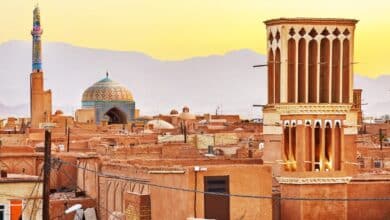

Introduction Yazd, the world’s first adobe city and Iran’s first UNESCO World Heritage city (2017), is a living testament to human ingenuity and cultural richness. Nestled in Iran’s central desert, this 3,000-year-old city, once called Yazdan, blends Zoroastrian heritage with Islamic architecture. Known as the “City of Wind Catchers,” Yazd’s unique adobe structures and qanats captivate global travelers. With hamintour, a leading Iranian tourism provider, exploring Yazd’s historic fabric becomes an immersive journey through time. This guide details everything you need to know about Yazd Old Town in 2025, from its ancient history to its top attractions.
History of Yazd
Yazd’s roots stretch back to before the 3rd millennium BCE, making it one of humanity’s oldest settlements. A sacred Zoroastrian hub, it was a key postal route during the Achaemenid era and established the world’s first endowment fund 1,700 years ago. Registered as a national heritage site in 2005 and a UNESCO site in 2017, Yazd’s historic fabric—its adobe alleys, qanats, and wind catchers—reflects centuries of resilience. Hamintour’s expert guides bring this history to life, tracing Yazd’s evolution from ancient Yazdan to a modern cultural beacon.
Climate of Yazd
Yazd’s hot, dry desert climate features stark temperature swings between day and night. Known as a “two-season city”:
- Hot Season: March (Esfand) to October (Mehr), with scorching days.
- Cold Season: November (Aban) to February (Bahman), with chilly nights.
Wind catchers, a hallmark of Yazd’s architecture, cool homes naturally, earning it the title “City of Wind Catchers.” Spring (March-May) and fall (September-October) are ideal for visits, offering mild weather. Hamintour’s tailored itineraries ensure comfortable exploration year-round.
Tourist Attractions in Yazd Old Town
Yazd’s historic core, with its maze-like alleys and adobe architecture, is a UNESCO-recognized marvel. Below are the top attractions, blending cultural, architectural, and natural wonders:
- Historic Fabric of Yazd: The city’s UNESCO-listed core features narrow, covered alleys like Ashti Konan Lane, fostering community warmth. Iconic water reservoirs (ab anbars) like Shesh Badgir and Amir Chakhmaq, with their wind catchers, showcase Yazd’s ingenious water management. Hamintour’s walking tours immerse you in this authentic desert ambiance.
- Traditional House Architecture: Yazd’s adobe homes, designed for summer and winter, feature wind catchers (badgirs) for natural cooling and connected rooftops for social gatherings. Their clay and straw construction optimizes heat and airflow. Explore these with hamintour to appreciate Yazd’s sustainable design.
- Amir Chakhmaq Complex: A Safavid-era landmark, this reservoir-turned-cultural hub, registered as a national heritage site in 2007, features five wind catchers and two entrances. Now hosting traditional wrestling, its grand facade dazzles at twilight. Hamintour offers evening visits for a magical experience.
- Dowlat Abad Garden: A UNESCO World Heritage Site, this Qajar-era garden boasts Iran’s tallest wind catcher and a vital qanat. Its symmetrical Persian design, with fountains and lush greenery, captivates visitors. Hamintour’s guided tours highlight its architectural harmony.
- Jameh Mosque of Yazd: This 900-year-old mosque, with soaring minarets and intricate tilework, is a city centerpiece. Its dome reflects light off white plaster, creating a mystical glow. The Ganjineh Museum within showcases artifacts. Hamintour’s tours delve into its Islamic artistry.
- Lari House: A Qajar-era adobe mansion, registered in 1997, exemplifies desert architecture with courtyards and wind catchers. Its intricate plasterwork enchants visitors. Hamintour provides exclusive access to its hidden corners.
- Mirror and Lighting Museum: Housed in a historic building, this unique museum displays traditional lamps—tallow, candle, oil, and electric—crafted from ceramic, glass, and metals. It’s a niche gem for those curious about Iran’s lighting history, enhanced by hamintour’s insights.
- Khan Bath: A Qajar-era bathhouse for aristocrats, now a restaurant and teahouse, blends history with modern hospitality. Its arched ceilings and tilework offer a glimpse into social traditions. Hamintour pairs visits with authentic Yazdi cuisine.
- Khamooshan Tower (Towers of Silence): A Zoroastrian dakhme, this hilltop site was used for sky burials, reflecting ancient rituals. Its stark beauty and cultural significance fascinate history buffs. Hamintour’s guides explain its spiritual context.
- Other Notable Sites: Yazd boasts additional gems like Gonbad-e Ali, Kharanaq Minarets, Ashkezar Watermill, and Zarach Qanat. A week-long itinerary with hamintour covers these, ensuring a comprehensive exploration of Yazd’s heritage.
Why Visit Yazd Old Town?
Yazd Old Town is a living museum, where adobe alleys, wind catchers, and qanats tell stories of desert resilience and Zoroastrian heritage. Its UNESCO status, vibrant markets, and sacred sites like the Jameh Mosque make it a cultural pilgrimage. Spring and fall visits maximize comfort, with blooming gardens and mild temperatures. With hamintour, enjoy curated tours, from twilight strolls in Amir Chakhmaq to private qanat explorations, ensuring an unforgettable journey through Iran’s desert jewel.
Frequently Asked Questions (FAQs)
- Why is Yazd a UNESCO World Heritage Site? Its historic adobe fabric, wind catchers, and qanats earned UNESCO recognition in 2017 for their cultural and architectural significance.
- What is the Historic Fabric of Yazd? It’s the city’s UNESCO-listed core, with narrow alleys, adobe homes, and reservoirs like Shesh Badgir, showcasing traditional desert life.
- What makes Yazd’s architecture unique? Adobe construction, wind catchers, and qanats optimize cooling and water storage, tailored to the desert climate.
- What is the Amir Chakhmaq Complex known for? A Safavid-era reservoir with five wind catchers, now a cultural hub for events like traditional wrestling.
- Why is Dowlat Abad Garden significant? Its UNESCO-listed Persian design, longest qanat, and tallest wind catcher make it a pinnacle of Yazd’s heritage.
- What can I see at the Jameh Mosque? Its 900-year-old tilework, minarets, and Ganjineh Museum, with unique light-reflecting plasterwork.
- What is the Mirror and Lighting Museum? A niche museum showcasing traditional Iranian lamps, from tallow to electric, in a historic setting.
- What is the Khamooshan Tower? A Zoroastrian dakhme for sky burials, reflecting ancient funerary practices.
- When is the best time to visit Yazd? Spring (March-May) or fall (September-October) for mild weather and vibrant landscapes.
- How does hamintour enhance a Yazd visit? Hamintour offers expert-guided tours, exclusive site access, and curated experiences like bazaar shopping or qanat tours.